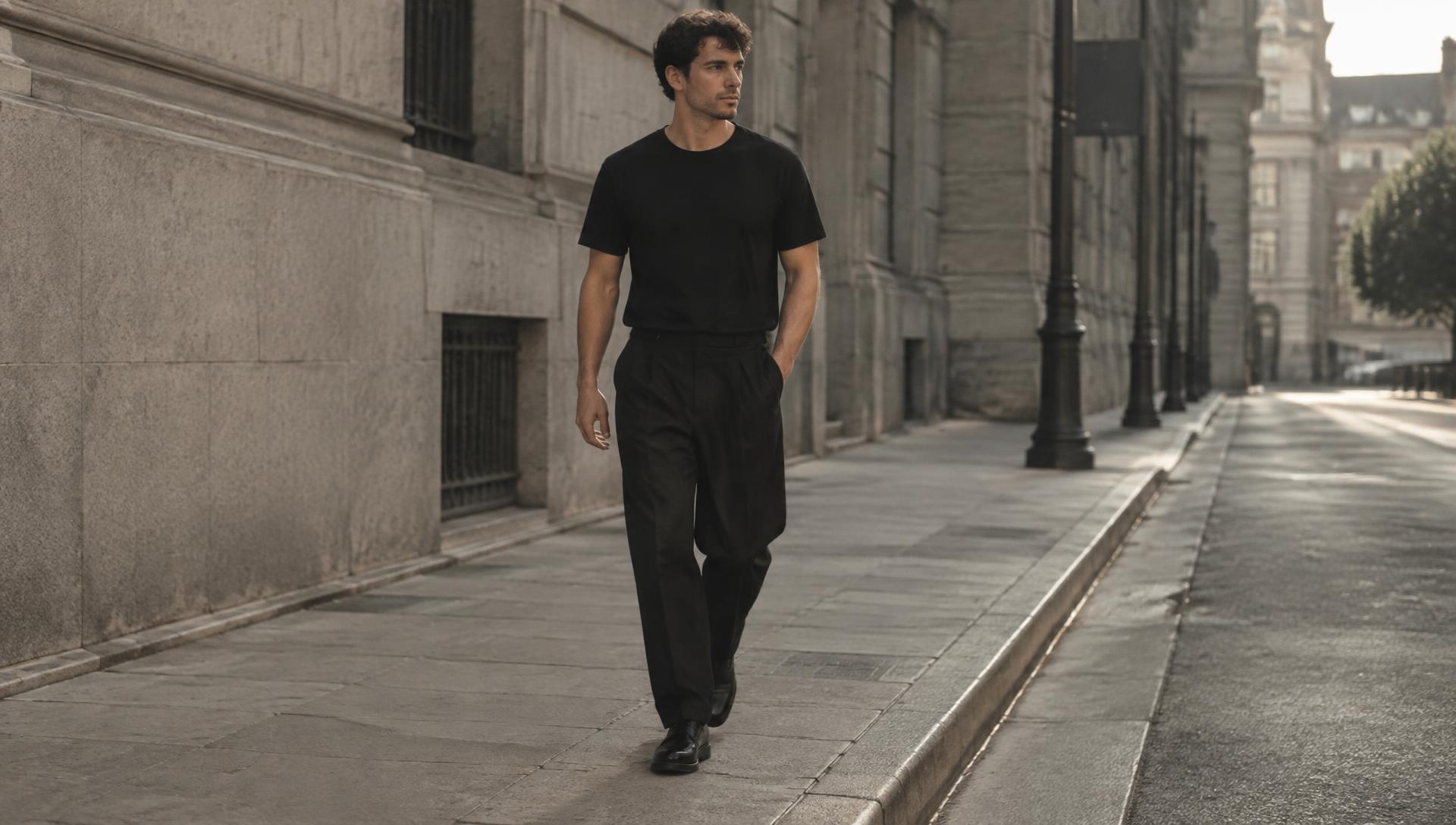
There is a strange pressure around clothing to always look different.
A different outfit.
A different combination.
A different pair of shoes.
Something new enough to be noticed.
But most people do not actually dress that way.
We repeat ourselves.
The same trousers.
The same T-shirt.
The same jacket.
The same shoes.
And often, those repeated choices are the ones that feel most like us.
There is nothing wrong with that.
In fact, repetition may be one of the clearest signs that a wardrobe is working.
Repetition creates personal style
Personal style is rarely built through constant change.
It usually develops through repetition.
The same colours.
The same silhouettes.
The same types of fabrics.
The same pieces appearing again and again.
Over time, those choices become familiar.
Not only to you.
To other people too.
That consistency creates identity.
You stop looking like someone trying different styles.
You start looking like yourself.
The clothes you repeat usually earn it
There is a reason certain pieces get worn more than others.
They fit properly.
They feel comfortable.
They work with everything.
They suit your routine.
They make you feel right without needing much thought.
That is useful information.
Instead of feeling guilty about wearing the same pieces repeatedly, it makes more sense to understand why they keep winning.
Your favourites are often showing you what the rest of your wardrobe should become.
A personal uniform can be useful
The idea of a personal uniform can sound restrictive.
It does not need to be.
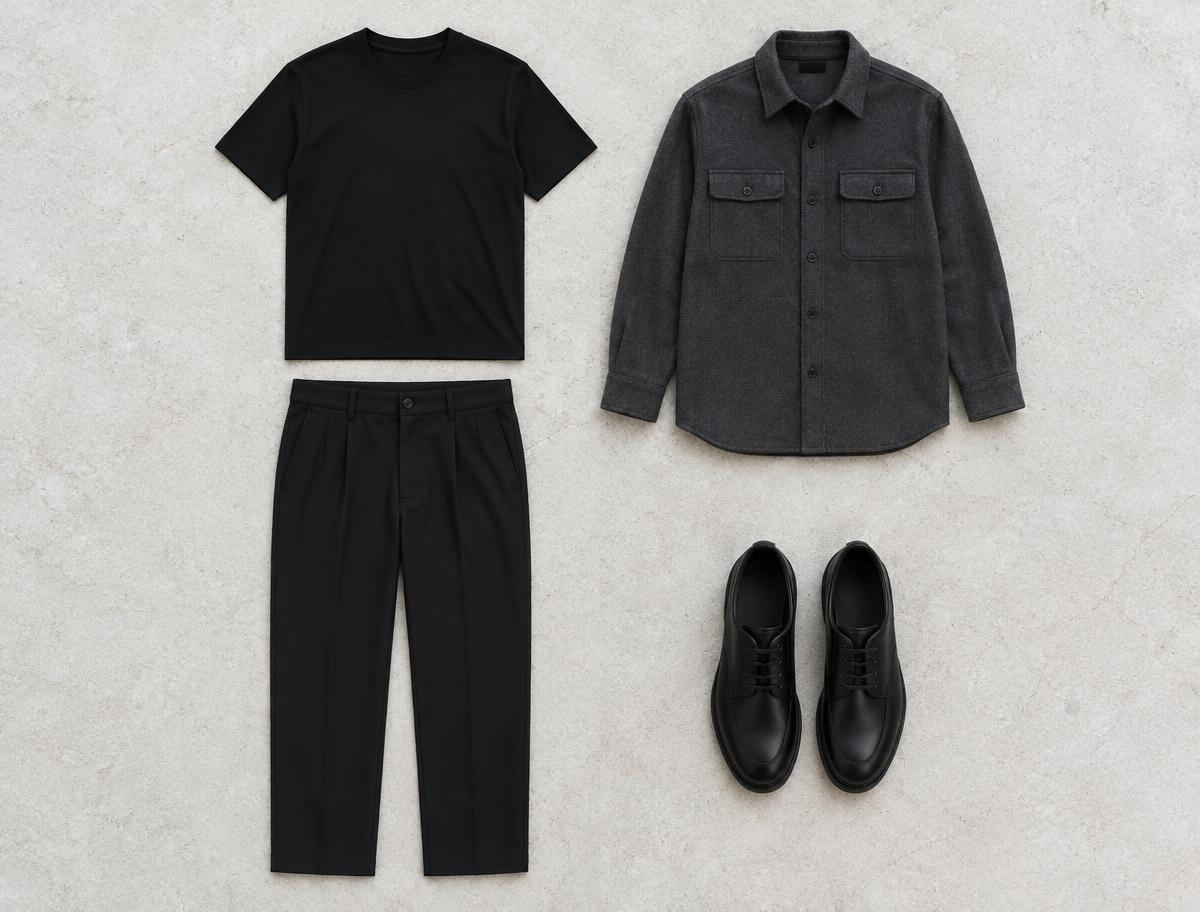
It simply means having a small number of reliable combinations.
A T-shirt and trousers.
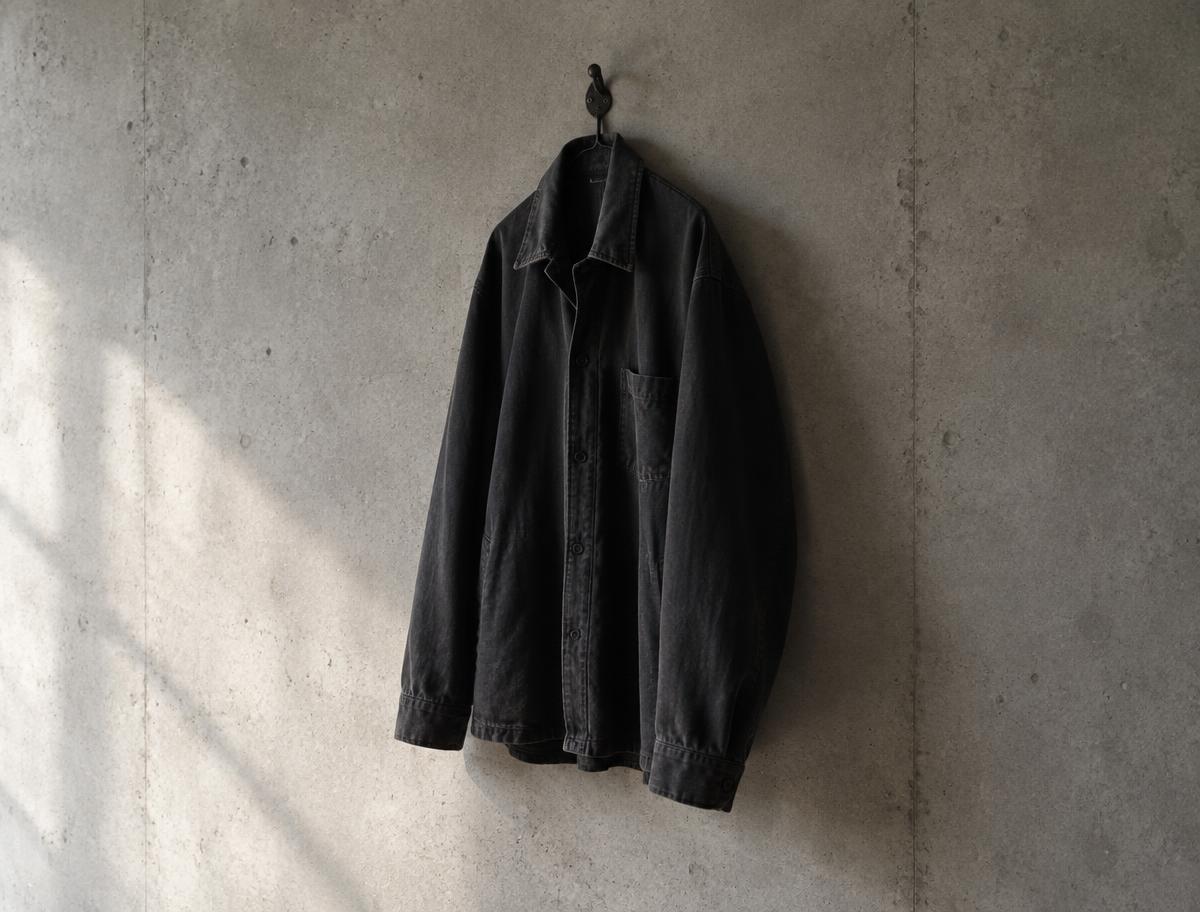
A shirt and overshirt.
A knit with the same pair of shoes.
The point is not to wear exactly the same thing every day.
It is to reduce the number of decisions that do not matter.
A uniform creates consistency.
And consistency creates ease.
Repetition makes mornings simpler
Most people have enough decisions to make already.
What to eat.
Where to go.
What to work on.
What needs attention.
What can wait.
Clothing does not always need to become another problem to solve.
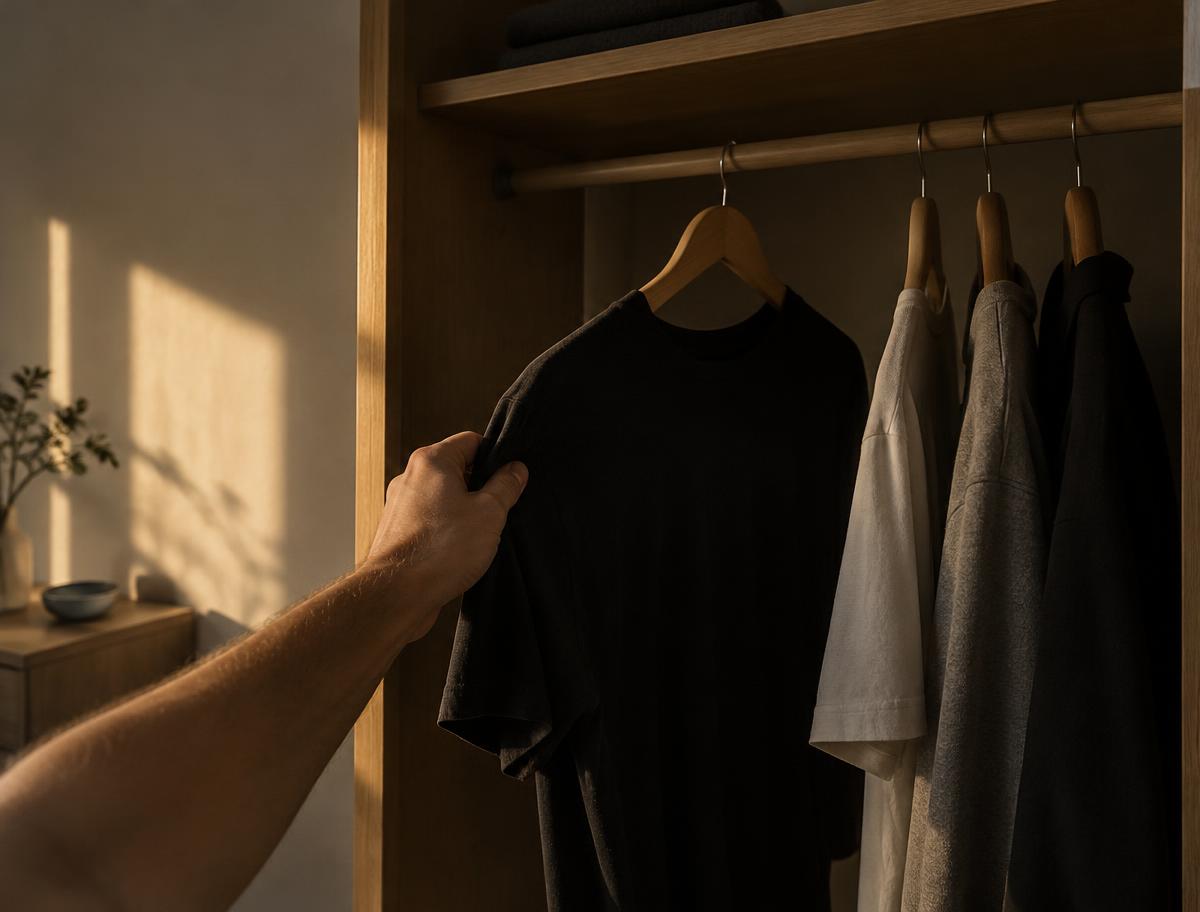
A wardrobe built around repeatable outfits removes friction.
You already know what works.
You already know what feels comfortable.
You already know how the pieces combine.
That small amount of certainty is useful.
Repetition is not the same as boredom
The same clothes can still feel different.
Change the layer.
Change the shoe.
Change the proportion.
Change the texture.
Roll the sleeves.
Leave the shirt open.
Add a jacket.
Remove it.
A repeated wardrobe still has room for variation.
The foundation simply stays the same.
That is different from wearing something completely new every day.
And often more sustainable.
Repeating clothes can improve style
When you wear something often, you begin to understand it better.
You know how it sits.
You know what works with it.
You know what does not.
You learn whether the fabric improves with wear.
You learn whether the fit still feels right.
You begin to see which combinations actually work outside the mirror.
That knowledge improves style.
Constantly replacing clothes removes the chance to learn any of this.
Familiar clothes become easier to wear
New clothes often demand attention.
You notice the collar.
The fit.
The fabric.
The stiffness.
The way the shoes feel.
Over time, that changes.
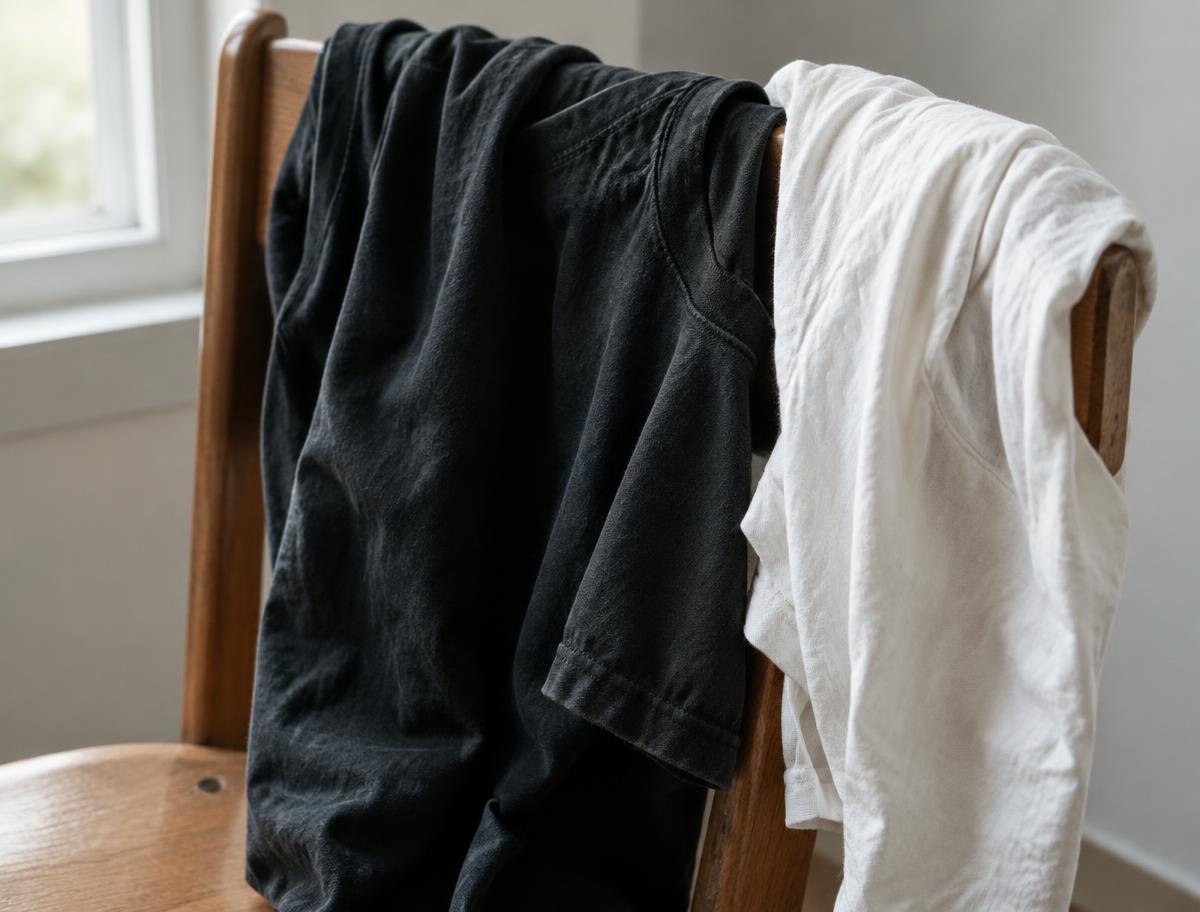
A shirt softens.
A pair of trousers settles.
Shoes become easier.
The garment starts to feel less like an object and more like part of your routine.
That familiarity has value.
Clothing becomes better when you stop thinking about it.
Repetition reveals quality
A garment can look good on the first day.
That tells you very little.
The real test comes later.
After ten wears.
Twenty.
Thirty.
After washing.
After travel.
After being folded.
After being worn when the weather changes.
Repeated use exposes weak fabric.
Poor stitching.
Bad proportions.
Uncomfortable details.
But it also reveals good design.
The pieces that continue to work are usually the ones worth keeping.
Cost per wear matters more than price
A more expensive garment can still be poor value if it is rarely worn.
A cheaper one can become extremely valuable if it is used constantly.
Cost per wear makes that obvious.
A €120 jacket worn twice is expensive.
A €120 jacket worn a hundred times is something else entirely.
The same applies to T-shirts.
Shoes.
Shirts.
Trousers.
The most valuable clothes are often the ones that become routine.
Not the ones that felt most exciting at the moment of purchase.
Repetition makes buying easier
Once you understand what you repeat, shopping becomes simpler.
You stop buying hypothetical versions of yourself.
You stop buying for occasions that rarely happen.
You stop choosing colours that never work with the rest of the wardrobe.
Instead, you buy around patterns that already exist.
If you wear black trousers constantly, perhaps another strong trouser makes sense.
If you always reach for relaxed shirts, that tells you something.
If one jacket gets all the use, look at why.
Buying becomes more deliberate.
You do not need endless variety
Variety can be useful.
But too much of it creates noise.
Ten almost identical shirts.
Six pairs of shoes that serve the same purpose.
Several jackets that all compete for the same moment.
More options do not always create better choices.
Sometimes they just make the useful pieces harder to see.
A smaller number of trusted clothes can be more effective than a wardrobe full of alternatives.
Repetition supports a smaller wardrobe
If you are comfortable wearing the same clothes regularly, you need fewer clothes overall.
That does not mean living with the minimum possible.
It simply means each piece has to do more.
A shirt should work with different trousers.
A jacket should work across several outfits.
Shoes should not require one exact combination.
The more repeatable a garment is, the more useful it becomes.
That naturally leads to a more focused wardrobe.
The same outfit can become a signature
Some people are remembered for wearing the same thing.
Not because they lack imagination.
Because repetition creates recognition.
A certain jacket.
A certain colour.
A particular pair of glasses.
The same type of shirt.
Over time, consistency becomes part of identity.
That is often more distinctive than chasing novelty.
You do not need a completely different look to remain interesting.
You need something recognisable enough to feel yours.
Clothes can carry memory
The things we wear repeatedly start to collect associations.
A shirt from a trip.
A jacket worn every autumn.
The shoes that have walked through several cities.
The T-shirt that has softened over years.
Clothing becomes more personal through use.
That connection cannot be manufactured.
It only happens with time.
The more something is worn, the more meaning it can carry.
Wear is not always damage
Modern clothing is often expected to stay new-looking for as long as possible.
But wear is not always a flaw.
A softened cotton shirt can feel better.
A faded black T-shirt can gain character.
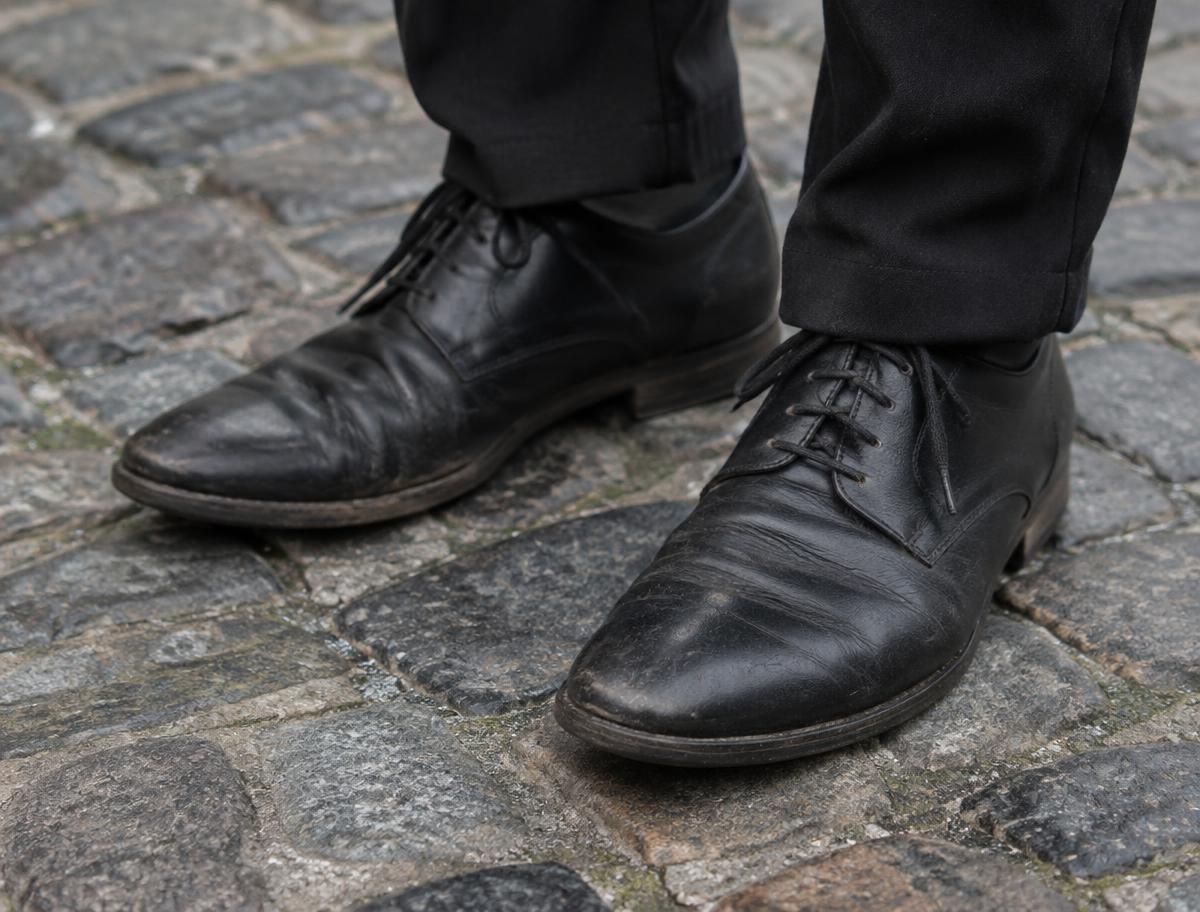
Leather can develop a patina.
Denim can become more individual.
The point is not to celebrate poor condition.
It is to recognise that use can add something.
Perfect does not always mean better.
Stop saving the good clothes
A lot of wardrobes contain pieces reserved for later.
The good shirt.
The better shoes.
The jacket that should only be worn for something important.
Sometimes that makes sense.
But often, those pieces remain almost untouched.
If you like something, wear it.
Clothes are designed to be used.
A favourite piece worn regularly has more value than a perfect piece waiting in a wardrobe.
Repetition can be confidence
Constant change often comes from uncertainty.
Is this still fashionable?
Did I wear this recently?
Will someone notice?
Should I try something different?
Personal style becomes quieter when those questions matter less.
You know what works.
You know what you like.
You wear it again.
That is not laziness.
It is confidence.

Wear it again
A good wardrobe does not need to surprise you every morning.
It should support you.
The same trousers can be worn again.
The same T-shirt can return.
The same jacket can become familiar.
That repetition is not a failure of style.
It may be the point.
Wear what works.
Wear it often.
Let the pieces become yours.
Repeat what earns its place.
More experience. Less excess.
You might also like
Culture — October 2026
Why Personal Style Matters More Than Trends
Culture — October 2026