
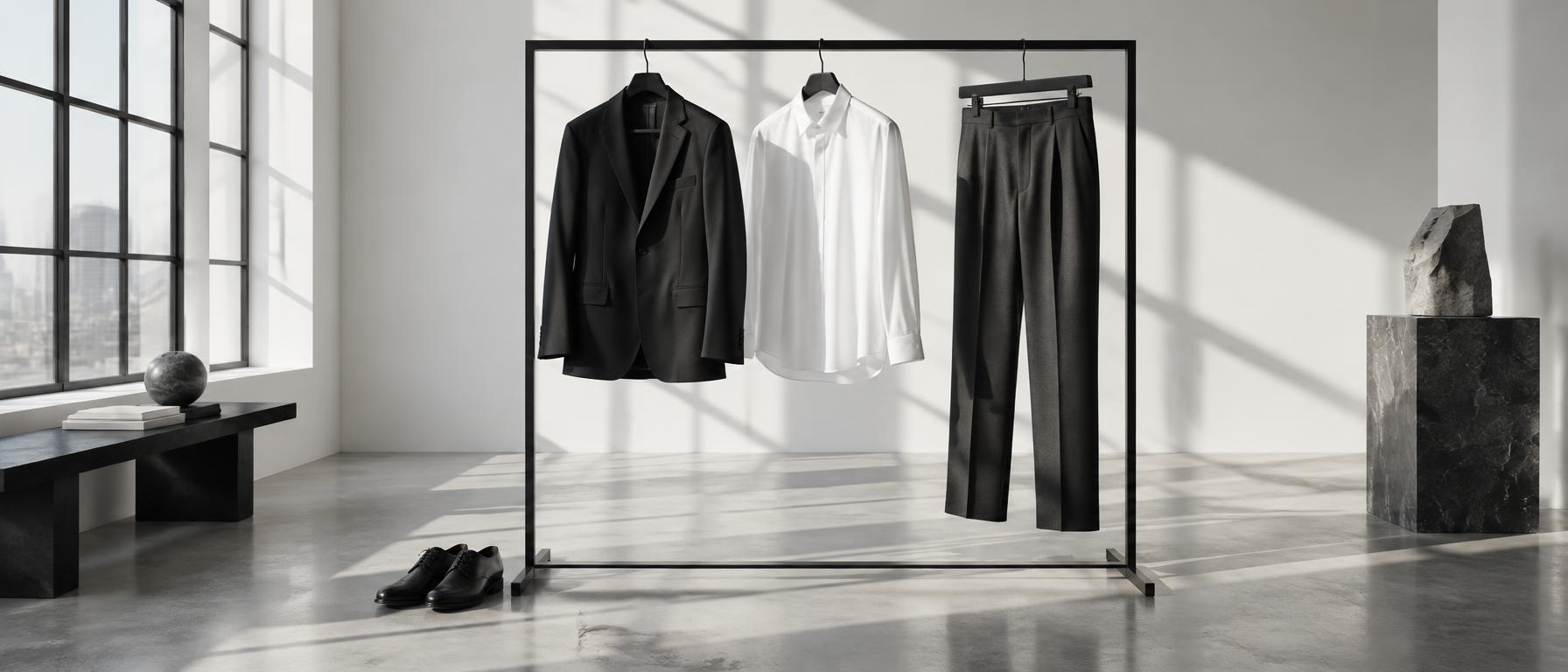
Fashion moves quickly.
Personal style usually does not.
That is an important difference.
Trends tell us what is changing.
Style tells us what stays.
One season wider trousers feel right.
The next, something sharper returns.
Colours move in and out.
Shoes get heavier, then lighter.
Silhouettes expand.
Then contract.
None of that is a problem.
Trends can be interesting.
They can introduce new ideas.
They can make you reconsider something you had stopped noticing.
But they should probably not decide everything you wear.
Trends are temporary by design
A trend needs movement.
If nothing changes, there is nothing new to sell, discuss or react to.
That is part of fashion.
It is not necessarily cynical.
People like change.
We get bored.
We experiment.
We borrow from different decades.
We rediscover old ideas and call them new again.
The mistake is not following trends.
The mistake is assuming every trend deserves a place in your wardrobe.
Most do not.
Personal style is built more slowly
Style usually develops through repetition.
You discover what suits you.
What feels comfortable.
What works with your body.
What works with your life.
What you keep reaching for.
That process can take years.
Often without you noticing.
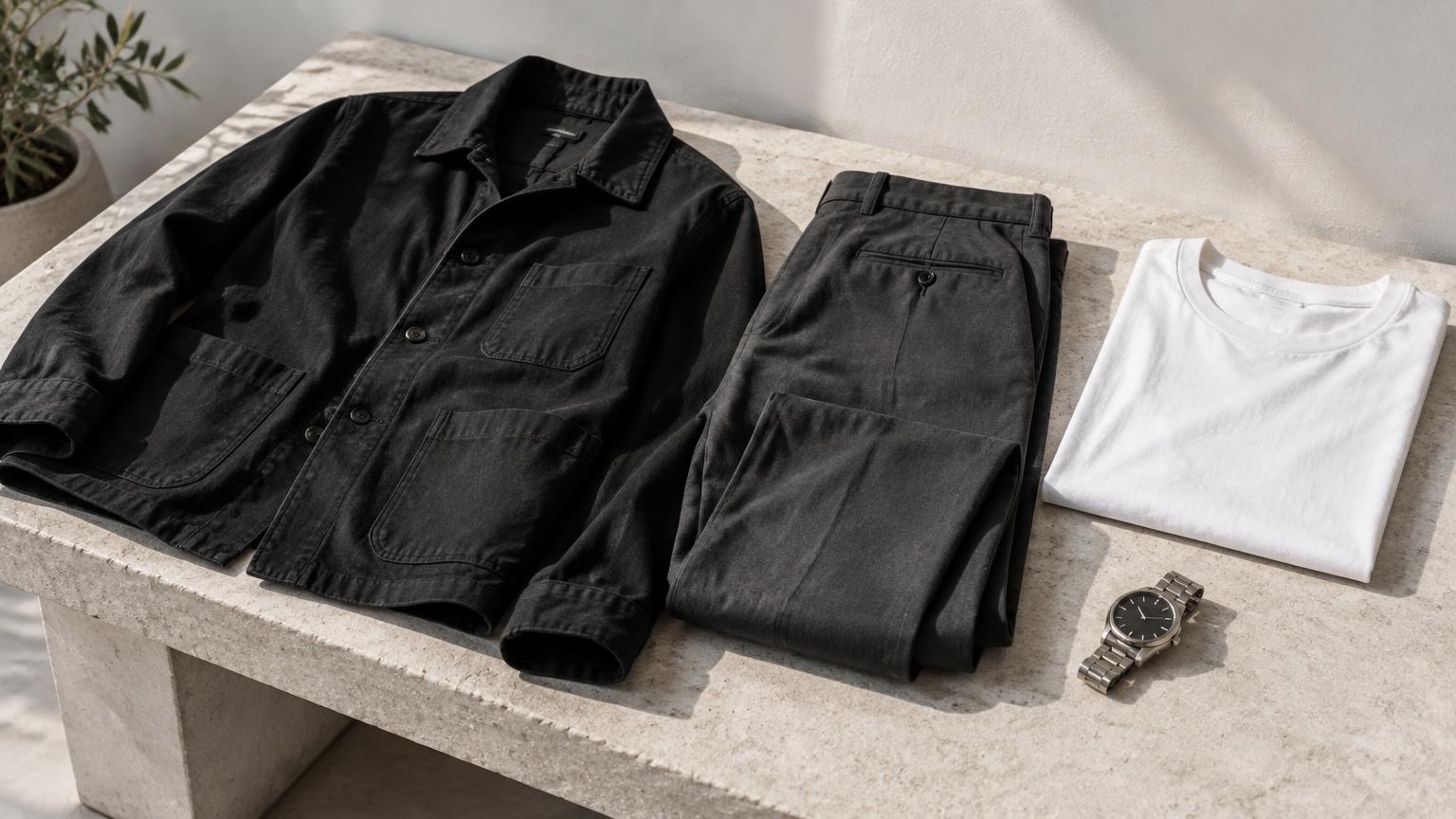
The jacket you always wear.
The same type of trousers.
The same colour palette.
The same watch.
The same shape of T-shirt.
Eventually, patterns appear.
That is personal style.
Not something invented in one shopping trip.
Something revealed over time.
Wear what feels like you
There is a difference between liking something and wanting to wear it.
You can appreciate a trend without needing to participate in it.
A runway look can be interesting.
A heavily oversized silhouette can look good on someone else.
A bright colour can be beautifully styled.
That does not mean it belongs in your wardrobe.
The useful question is simple:
Would I still want to wear this if nobody told me it was current?
If the answer is yes, it may be worth exploring.
If not, it may be better admired from a distance.
Trends can still be useful
Ignoring trends completely is not necessarily the answer either.
They can help a wardrobe evolve.
A different trouser shape might make older clothes feel more current.
A new fabric might solve a practical problem.
A change in proportion might simply suit you better than what came before.
The point is not to reject change.
It is to filter it.
Take what fits.
Leave what does not.
That is usually more useful than rebuilding your wardrobe every season.
Style becomes easier when you know your defaults
Everyone has defaults.
Even people who think they do not care about clothes.
A preferred colour.
A preferred fit.
A favourite pair of shoes.
A jacket that always feels right.
Those defaults are useful.
They remove decisions.
They make shopping easier.
They create consistency.
Once you know them, you can experiment around them without losing yourself.
A new piece can enter the wardrobe without forcing everything else to change.
That is a much healthier relationship with fashion.
Repetition is not boring
One of the strange expectations around style is that people should constantly look different.
Different outfit.
Different shoes.
Different colours.
Different silhouette.
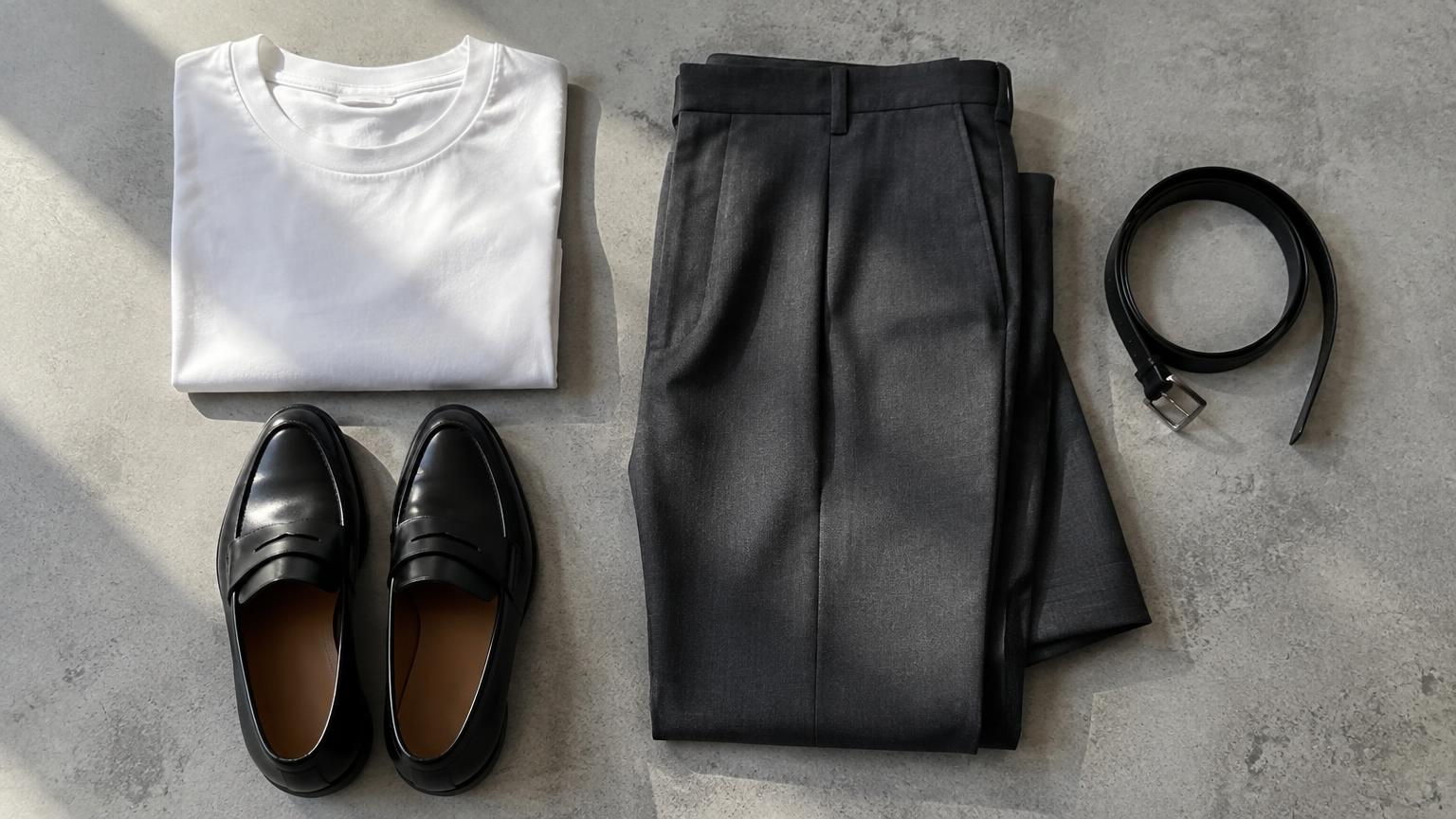
But repetition is often what creates identity.
A musician has a sound.
A designer has a visual language.
A city has an atmosphere.
Personal style can work the same way.
You do not need endless variation to be interesting.
You need consistency with enough room for change.
Repeating what works is not laziness.
It is confidence.
The best wardrobes have a point of view
A good wardrobe does not necessarily contain the most impressive clothes.
It contains clothes that make sense together.
The colours belong together.
The proportions feel related.
The fabrics suit the climate.
The pieces suit the person wearing them.
There is a point of view.
That point of view may be minimal.
Tailored.
Relaxed.
Monochrome.
Colourful.
Classic.
Technical.
It does not matter.
What matters is that it feels coherent.
That is what style does better than trends.
It connects individual pieces into something recognisable.
Trends often create unnecessary buying
A new season arrives.
Suddenly the trousers you already own seem too narrow.
The jacket seems too short.
The trainers seem too clean.
The colour feels wrong.
Nothing actually changed overnight.
Only the context did.
That can create the feeling that a wardrobe constantly needs updating.
Usually, it does not.
A small adjustment can be enough.
One different silhouette.
One new layer.
One change in footwear.
The strongest wardrobes evolve slowly.
They do not reset.
Buy for your life
The easiest way to avoid trend-driven mistakes is to look at how you actually spend your time.
What do you wear to work?
What do you wear at weekends?
What climate do you live in?
Do you walk a lot?
Do you travel?
Do you need formal clothing?
Do you spend most evenings somewhere casual?
Those answers matter more than what appeared on a runway.
A wardrobe should support your life. A considered autumn capsule wardrobe is one way to put that into practice.
Not ask you to invent a different one.
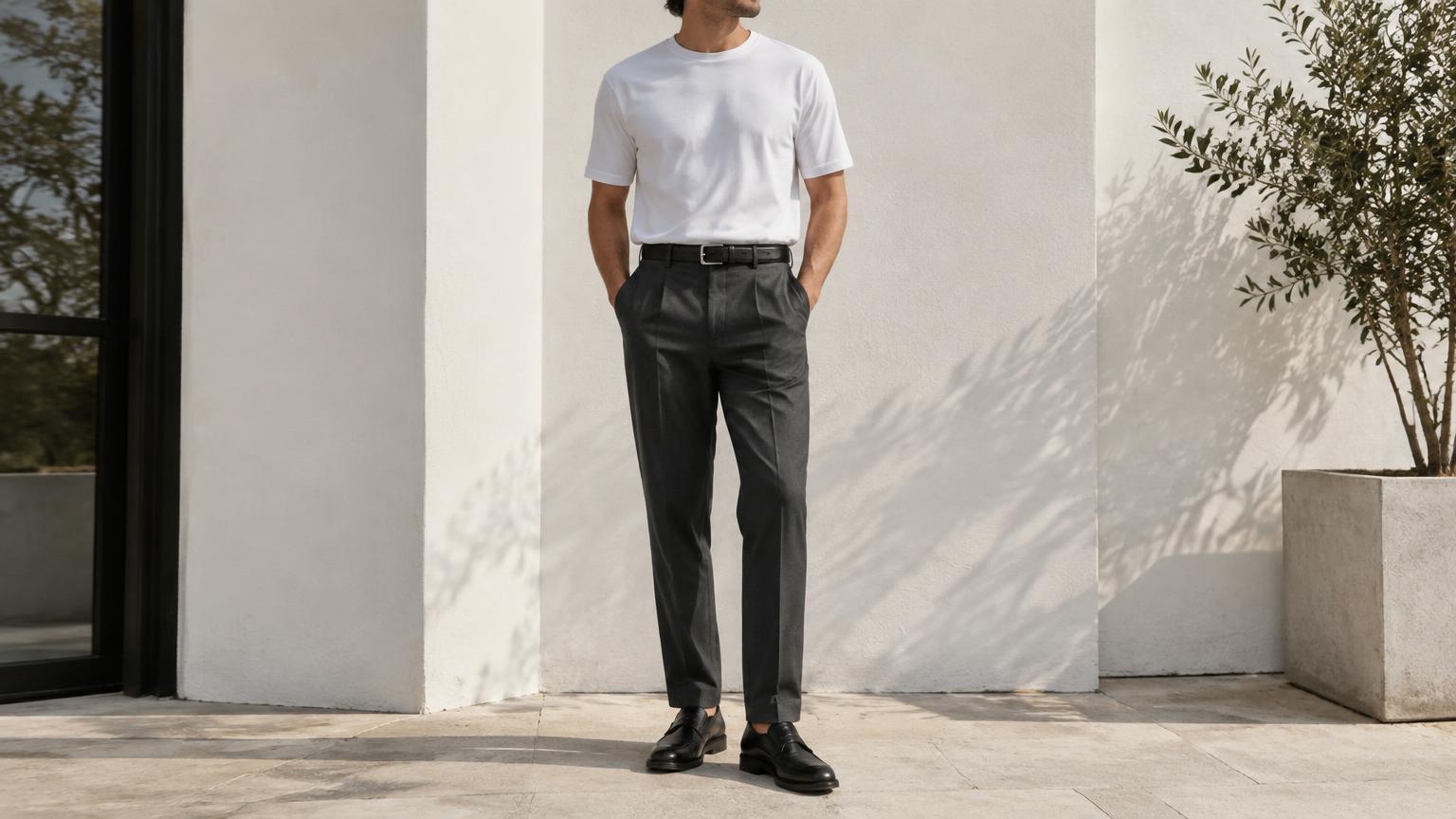
Fit survives trends better than almost anything
Silhouettes change.
But clothing that fits intentionally tends to age better than clothing that simply copies a moment.
That does not mean everything should be slim or traditional.
A relaxed fit can still be well judged.
A wider trouser can still be balanced.
An oversized shirt can still have proportion.
The important thing is intention.
Clothing looks dated fastest when it feels like it belonged entirely to one trend.
Good proportion usually lasts longer.
Colour works the same way
Each season brings its colours.
Some will suit you.
Some will not.
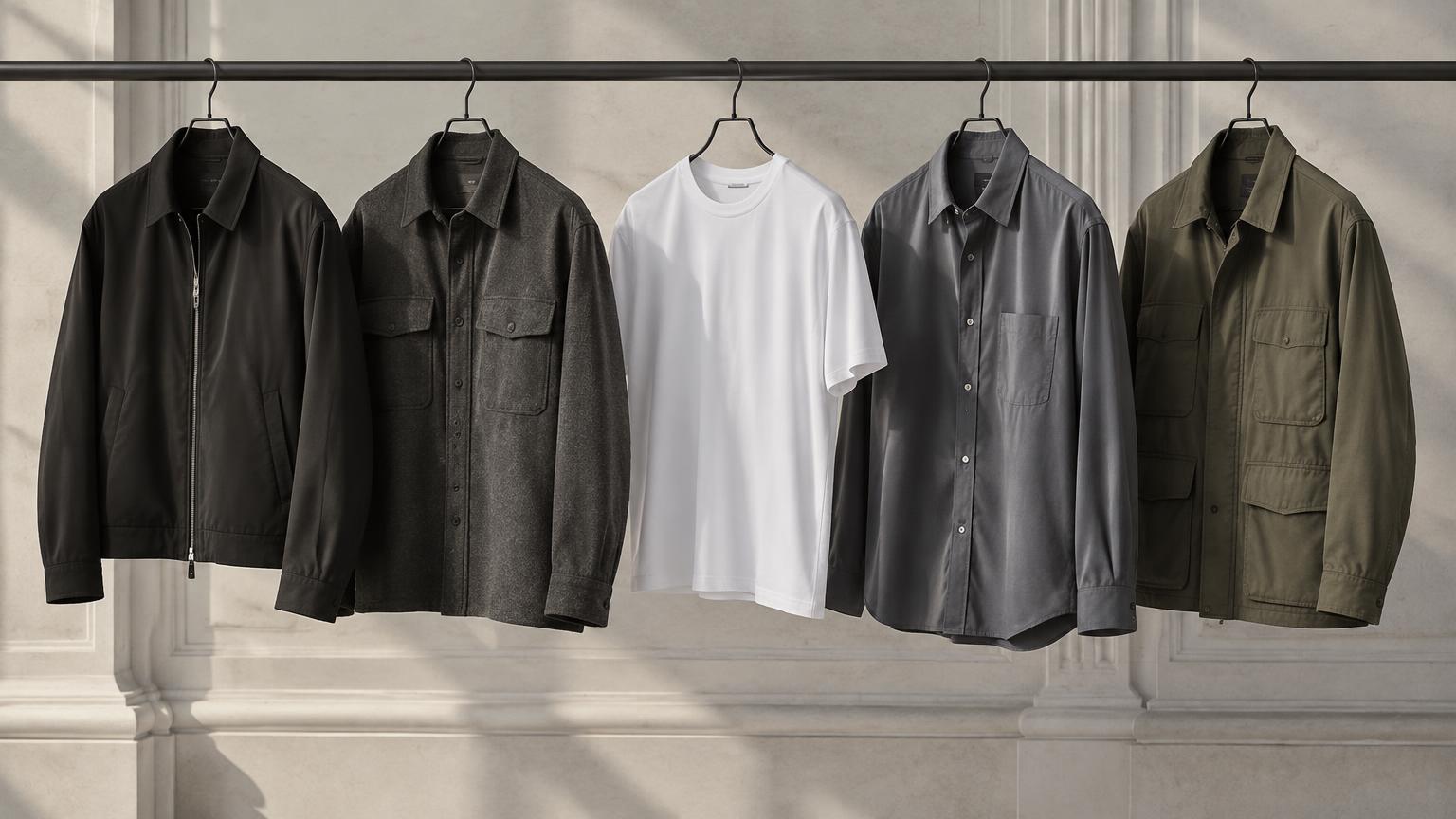
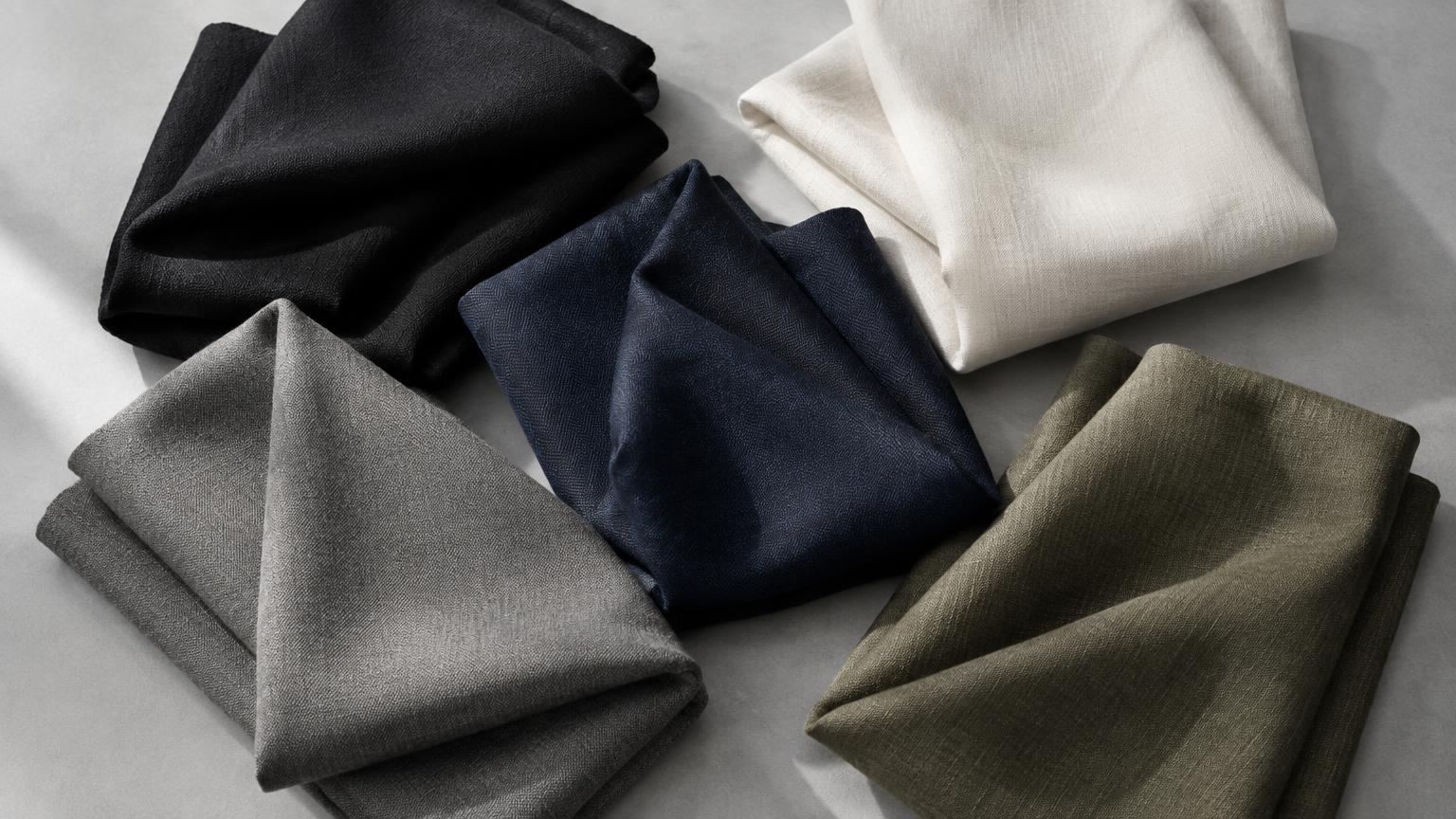
If you already know that black, white, navy, stone or olive work for you, there is no reason to abandon them because another shade is receiving more attention.
Add colour when it improves the wardrobe.
Not when it interrupts it.
A strong personal palette makes clothing easier to combine.
It also makes your style more recognisable.
That has more long-term value than chasing every seasonal colour.
Style should become quieter over time
At the beginning, style can feel like experimentation.
You try different things.
Some work.
Some do not.
You buy pieces that make sense in the shop and nowhere else.
That is part of the process.
Eventually, though, you need less confirmation.
You know what works.
You stop buying because something is popular.
You stop worrying whether an outfit looks current enough.
You become more selective.
Not because you care less.
Because you understand more.
A trend should earn its place
Before adding something trend-led, ask a few questions.
Would you wear it next year?
Does it work with what you already own?
Does it suit your body?
Does it suit your climate?
Does it improve your wardrobe?
Would you choose it without the label of “trend”?
If most of those answers are yes, then it may be worth adding.
If not, it is probably just passing through.
There is nothing wrong with letting it pass.
Style is more personal than fashion
Fashion exists outside you.
Style eventually becomes part of you.
That is why the best-dressed people often do not appear to be trying very hard.
They know their proportions.
Their colours.
Their defaults.
Their limits.
They can borrow from trends without becoming controlled by them.
The clothes feel connected to the person.
That is much harder to fake.
Wear what remains
Trends will keep changing.
They should.
That movement keeps fashion interesting.
But personal style gives you something steadier underneath it.
A foundation.
A filter.
A way to decide what deserves your attention and what does not.
Notice what is changing.
Take what feels useful.
Ignore what does not.
Then keep wearing the things that still feel right when the noise moves on.
Trends change. Style remains.
More experience. Less excess.
You might also like
Guide — September 2026
Minimalist Men’s Style: Wearing Less, Better
Guide — October 2026