“Timeless” is one of those words fashion uses constantly.
Usually to describe something simple.
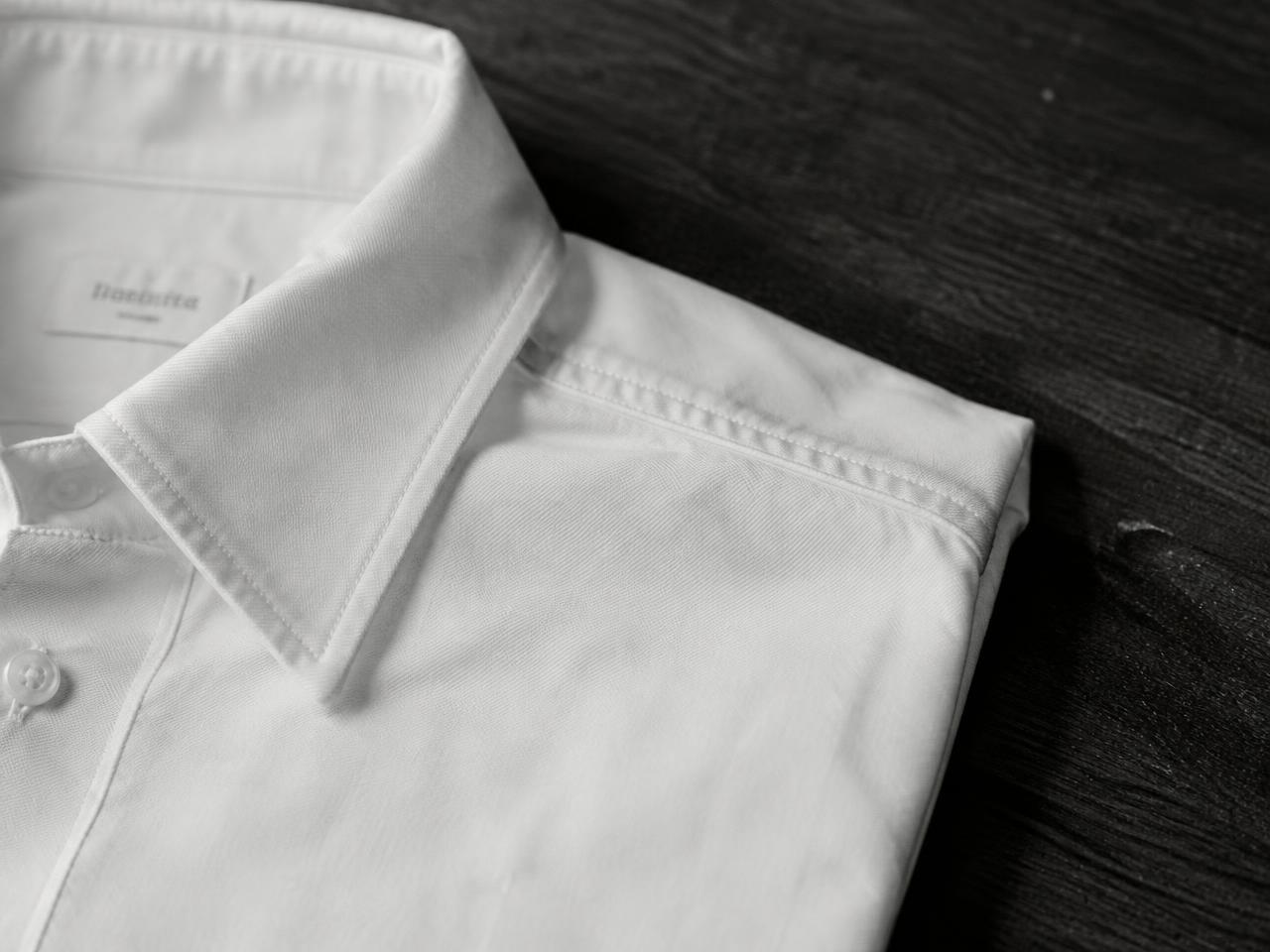
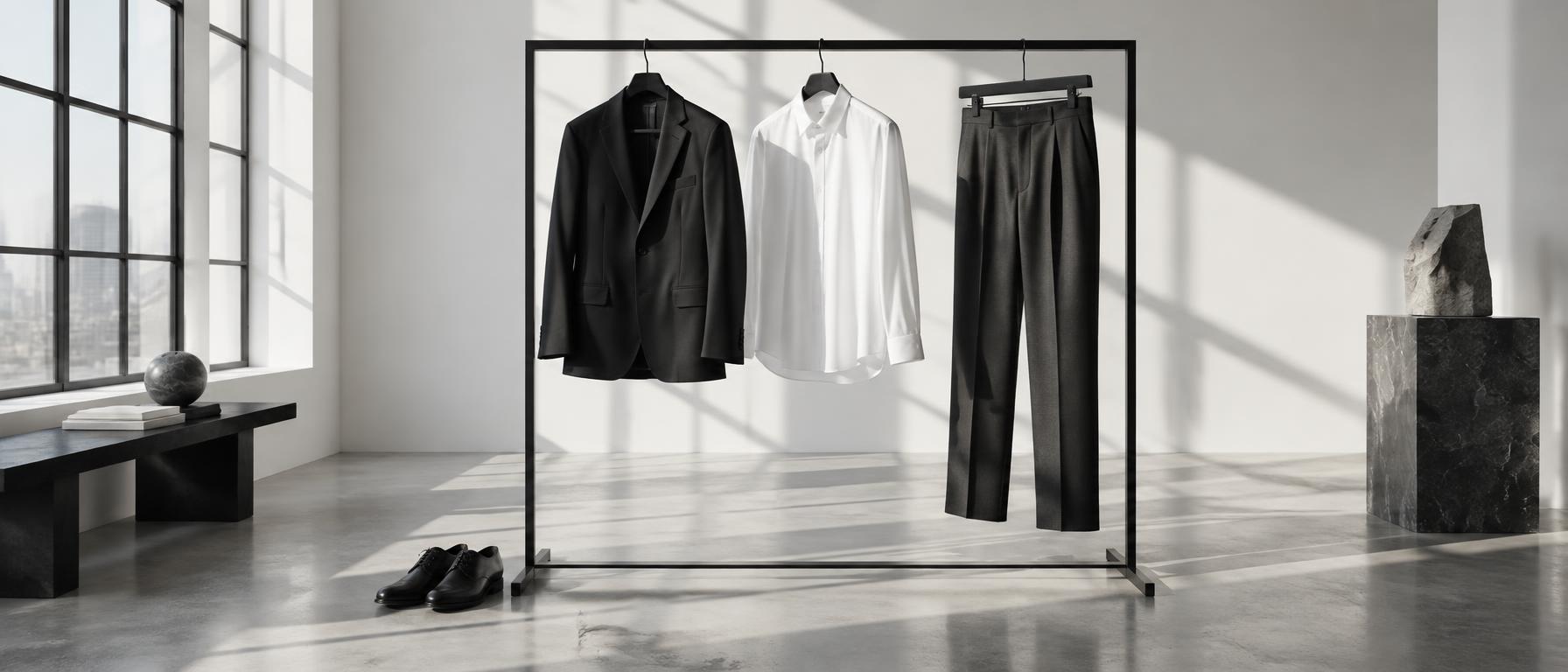
A white shirt.
A black T-shirt.
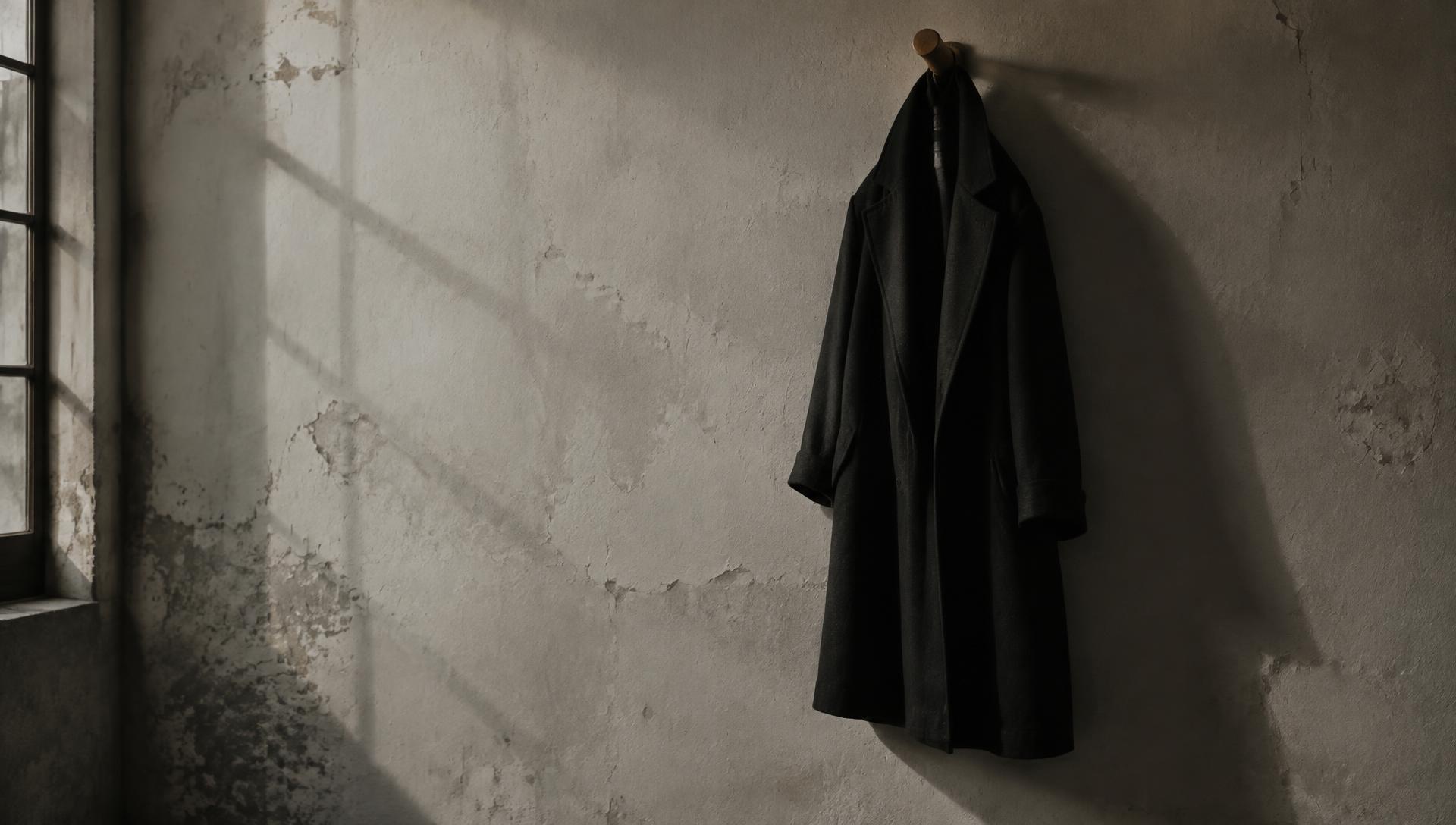
A navy coat.
A pair of leather shoes.
But a plain garment is not automatically timeless.
And something modern is not automatically temporary.
Clothing tends to last when it avoids depending too heavily on one moment.
The right proportion.
The right material.
The right amount of detail.
Enough character to feel considered.
Not so much that it becomes difficult to wear once everything around it changes.
Timelessness is less about freezing fashion.
It is about surviving it.
Timeless does not mean basic
Simple clothing is often described as timeless because there is less to date.
That makes sense.
But simplicity alone is not enough.
A poorly fitting white T-shirt will not become better because it has no graphics.
A badly proportioned coat does not become classic simply because it is black.
The strongest simple clothes usually contain decisions that are difficult to see at first.
The length.
The weight.
Where a shoulder sits.
The width of a collar.
The shape of a sleeve.
Small choices become more important when there are fewer distractions — the idea at the heart of minimalist men’s style: wearing less, better.
Proportion matters more than trends
Fashion changes proportion constantly.
Trousers become wider.
Then narrower.
Jackets become shorter.
Then longer.
Shoulders become structured.
Then relaxed.
Those changes are part of what keeps clothing interesting.
But the most durable garments tend to avoid the extremes.
Not because extremes are wrong.
Because extremes often belong very clearly to a particular moment.
A well-balanced silhouette has a better chance of moving between seasons without immediately feeling dated.
That does not mean everything has to be conservative.
It means the shape should make sense before the trend does.
Fabric gives clothing longevity
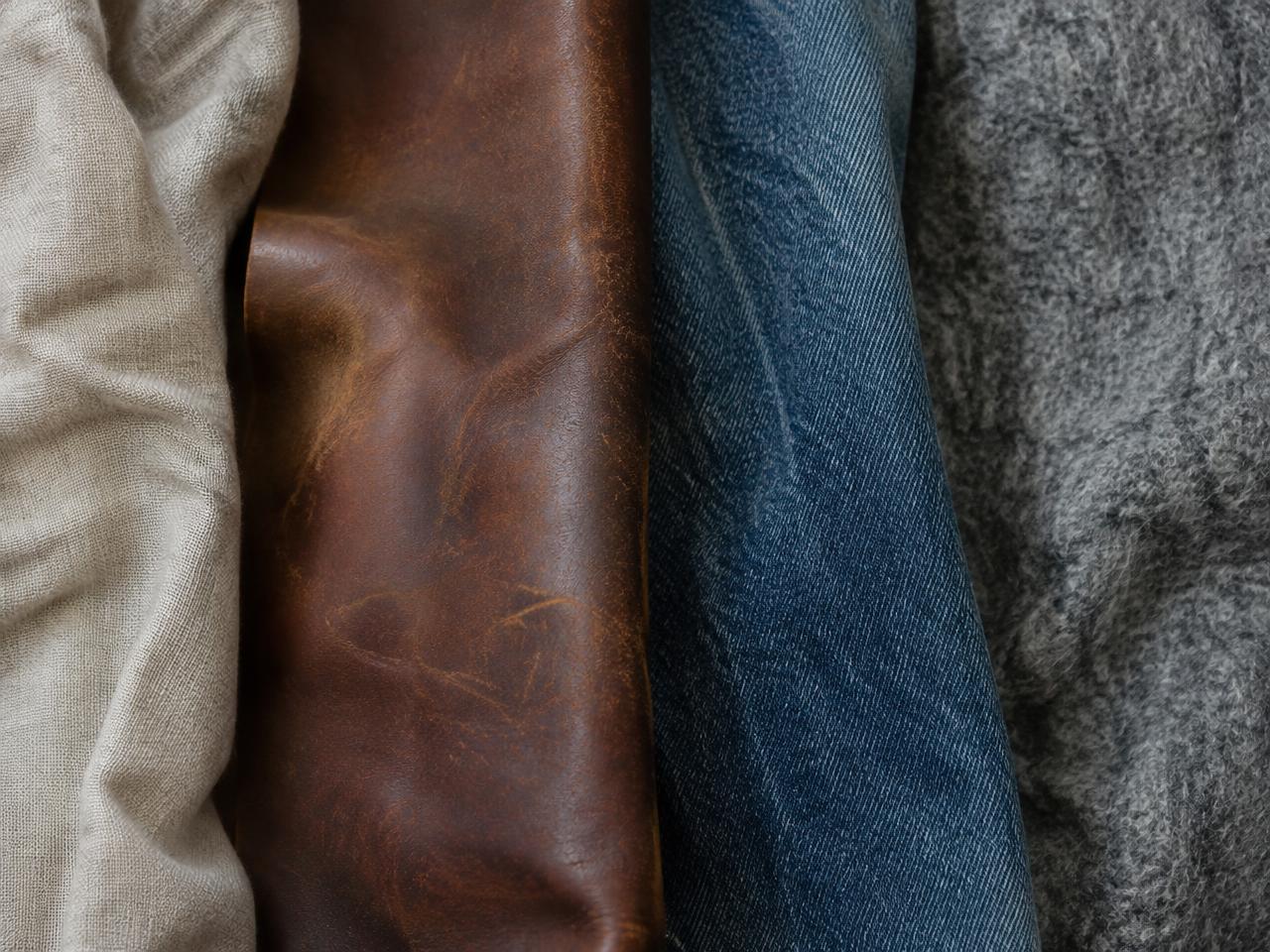
Some materials improve as they are worn.
Linen softens.
Leather develops marks.
Denim fades.
Cotton loses some of its initial stiffness.
Wool settles.
These changes can give clothing character rather than make it feel finished.
That relationship with wear matters.
A garment that becomes more personal over time has less need to be replaced simply because something newer exists.
Good materials are not indestructible.
They simply make ageing feel less like failure.
Detail should have a reason
Clothes often date because of details.
An oversized logo.
An unusual zip placement.
An exaggerated pocket.
A decorative panel.
A shape added because it happened to be popular.
Again, none of these things is inherently bad.
But every detail increases the chance that the garment becomes strongly associated with a particular period.
Restrained design works differently.
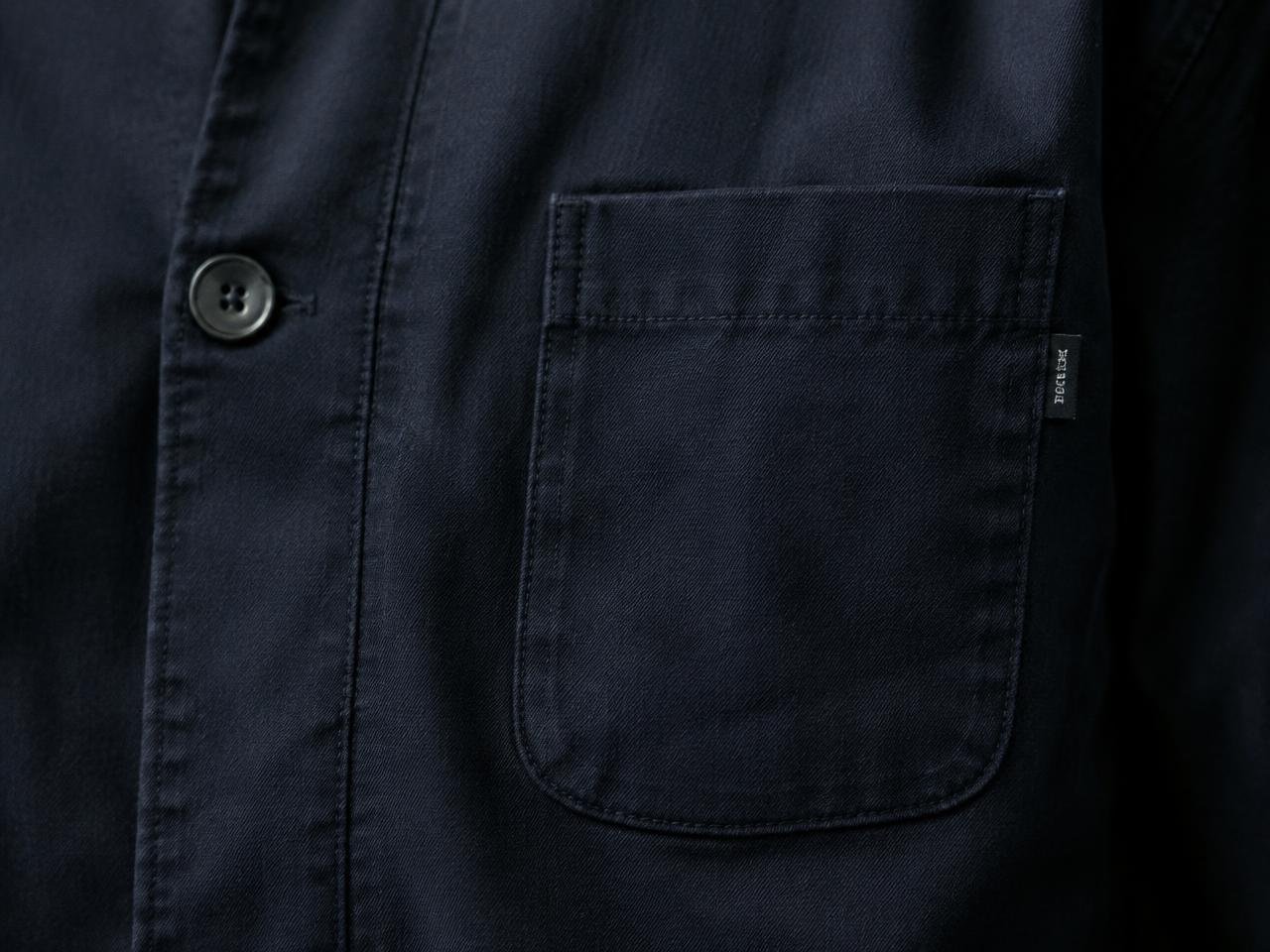
A button exists because it closes something.
A pocket because it is useful.
A seam because it shapes the garment.
A small mark because it identifies who made it.
When details have a purpose, they tend to age more quietly.
Colour can help
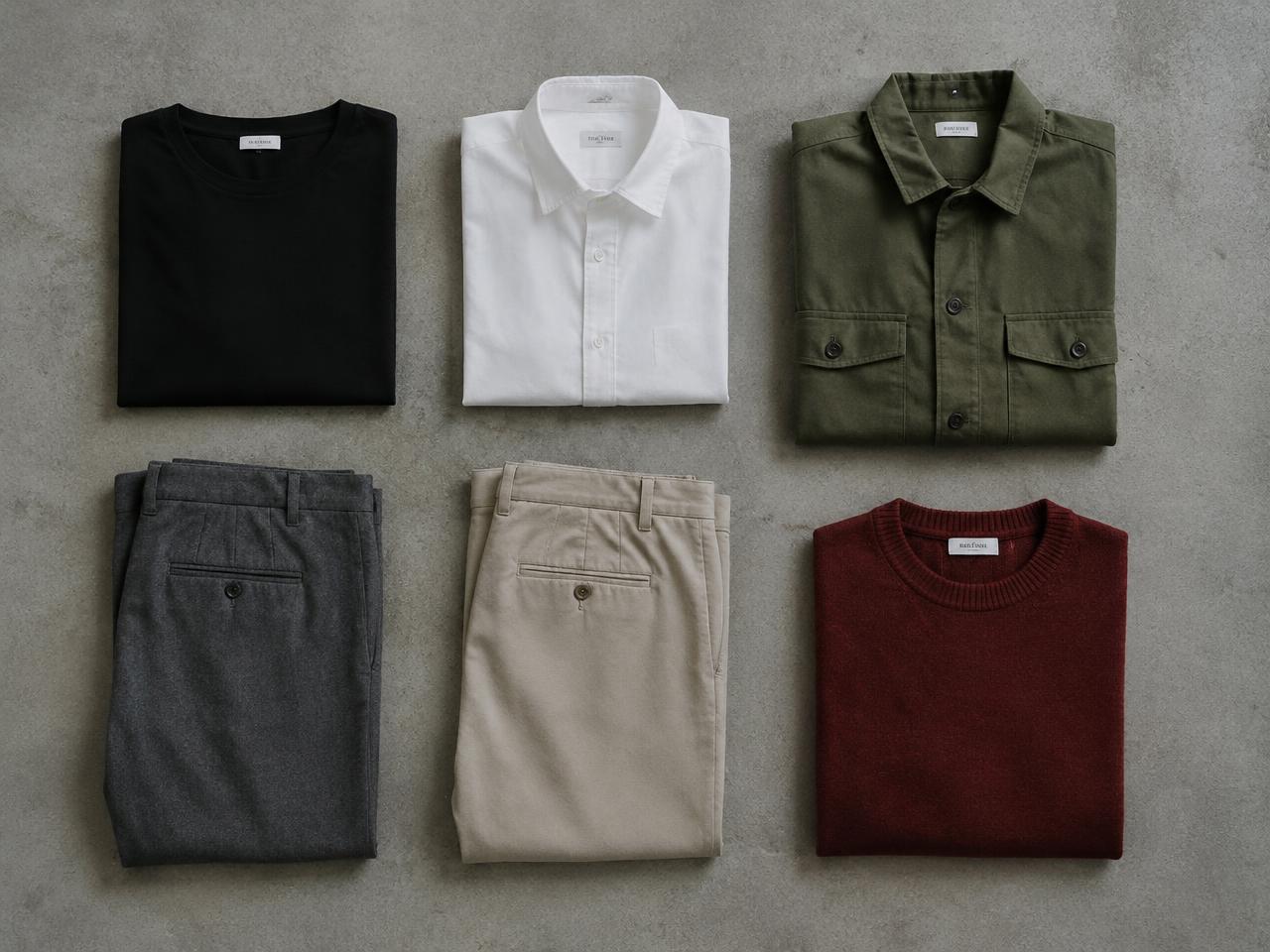
Some colours move easily through different periods.
Black.
White.
Navy.
Grey.
Stone.
Brown.
Olive.
They return constantly because they combine easily and do not rely heavily on seasonal attention.
That does not mean timeless clothing has to be neutral.
Colour can last too.
A deep red.
A muted blue.
A particular shade of green.
The important thing is whether the colour works because you genuinely like it or because it happened to dominate one season.
Personal preference usually survives longer than trend forecasting — which is why personal style matters more than trends.
Clothing should work with the rest of your wardrobe
A garment becomes timeless partly because you keep finding reasons to wear it.
That depends on compatibility.
A shirt that works with several pairs of trousers.
A jacket that can sit over different layers.
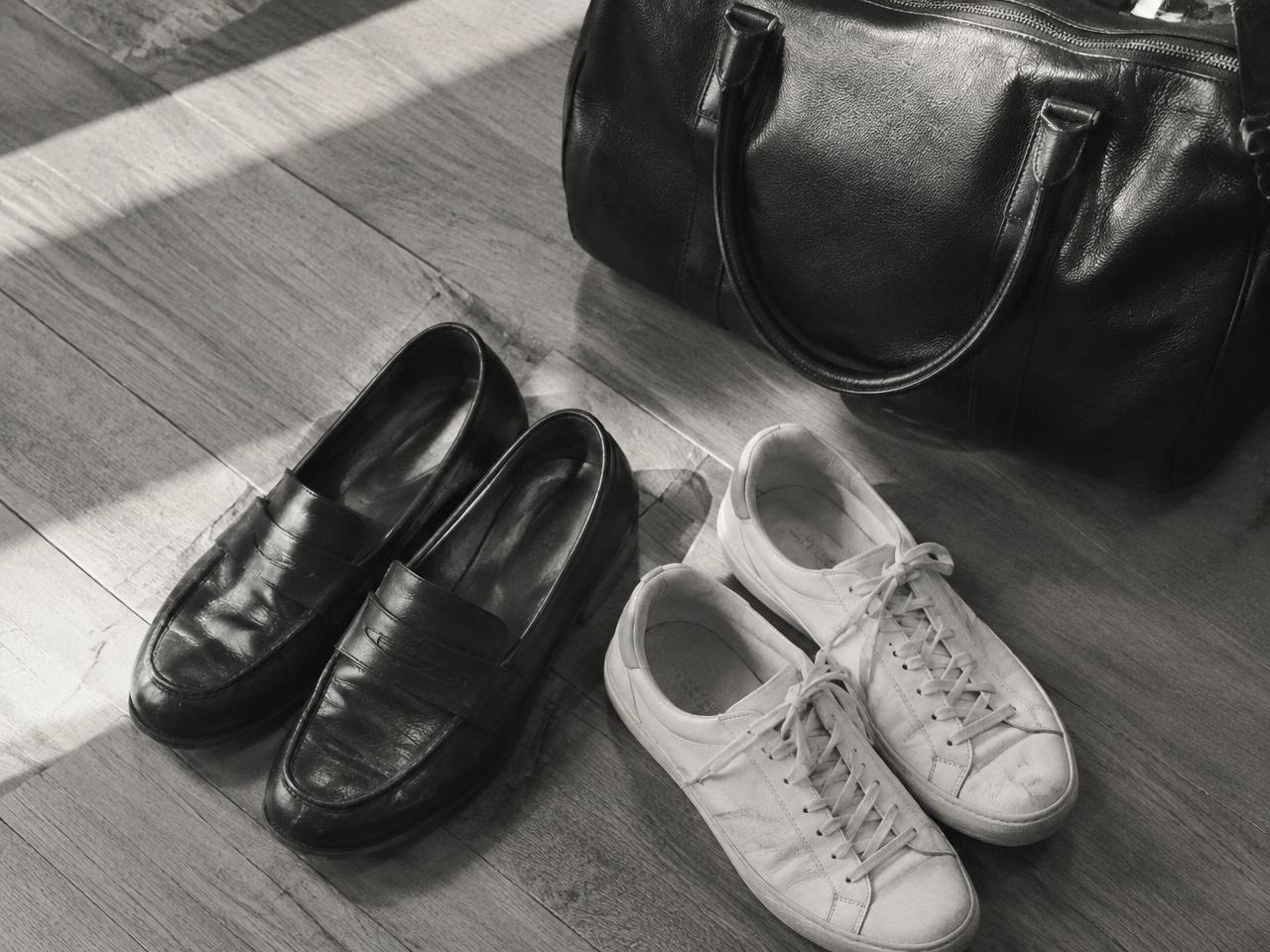
Shoes that do not require one specific outfit.
Versatility gives clothing more opportunities to remain relevant.
The piece does not need to adapt to every possible situation.
It simply needs to avoid becoming isolated.
The easier something is to wear, the less likely it is to be forgotten — the same thinking behind a minimalist capsule wardrobe.
Familiar does not mean boring
There is a reason certain pieces appear repeatedly in menswear.
The T-shirt.
The shirt.
The trouser.
The overshirt.
The simple coat.
The trainer.
The loafer.
Their familiarity is not a weakness.
It gives designers less room to hide.
If the basic idea is already understood, the quality comes from how well it has been interpreted.
A small change in proportion.
A better fabric.
A cleaner construction.
A restrained detail.
Sometimes the most interesting design happens inside familiar forms.
Avoid designing for the photograph
Some clothing looks incredible once.
In an image.
On a runway.
During a particular season.
Then becomes much harder to live with.
That does not make it unsuccessful.
Fashion has space for spectacle.
But clothing intended to last needs to survive ordinary days.
Sitting.
Walking.
Travelling.
Washing.
Repeating.
Combining.
Being worn when nobody is paying attention.
The pieces that survive often look less dramatic at first.
Their value becomes clearer through use.
Timeless clothing still changes
There is no truly permanent silhouette.
Even classics evolve.
The white T-shirt of today does not fit exactly like one from fifty years ago.
Trousers change.
Collars change.
Fabric technology changes.
Our expectations of comfort change.
Timeless does not mean untouched by the present.
It means influenced by the present without being completely owned by it.
That distinction matters.
Buy for five years, not five weeks
A useful question when buying something is:
Would I still want to wear this if nobody was talking about it next season?
Not everything needs to pass that test.
There is nothing wrong with occasionally buying something simply because it is fun now.
But for the foundation of a wardrobe, the question is useful.
Can you imagine the garment becoming familiar?
Can you imagine wearing it repeatedly?
Can you imagine it working after the novelty disappears?
That is a better measure of value than how exciting something feels on the first day.
Timelessness is personal
One man's timeless jacket is another man's unworn jacket.
Your climate matters.
Your work matters.
Your body matters.
Your lifestyle matters.
A heavy wool coat may be a perfect long-term purchase in one city and completely pointless in another.
A beautifully made suit is not timeless for someone who never has a reason to wear it.
Longevity comes from relevance.
The garment has to belong to the person before it can belong to the wardrobe.
Wear creates meaning
The clothes we remember are rarely the ones that stayed perfect.
They are the ones that were there.
The shirt taken on several trips.
The jacket worn every autumn.
The T-shirt that gradually softened.
The shoes that became easier with every step.
Time adds something design cannot manufacture.
Familiarity.
That may be the most important part of timeless clothing.
You stop noticing when you bought it.
You simply keep wearing it.
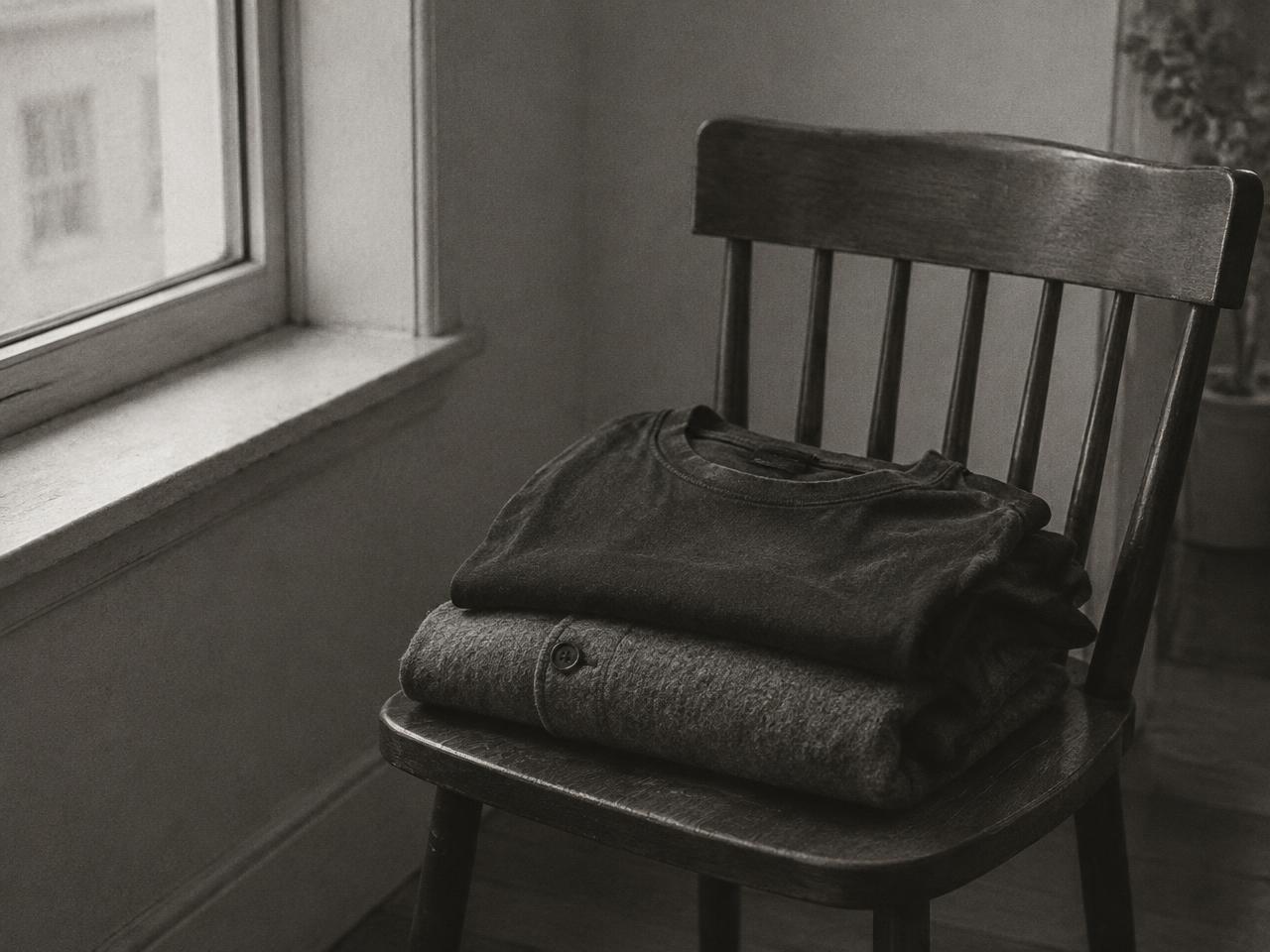
Quiet things tend to stay
Fashion needs change.
Personal style needs continuity.
The most enduring clothes often sit somewhere between the two.
Modern enough to belong to the present.
Restrained enough not to depend on it.
Good fabric.
Balanced proportion.
Useful detail.
A reason to be worn again.
Timeless clothing does not need to escape fashion completely.
It simply needs to remain worth choosing after fashion moves on.
Quiet. Minimal. Timeless.
More experience. Less excess.
You might also like
Culture — October 2026
Why Personal Style Matters More Than Trends
Wardrobe — September 2026