The Design Code / 03
Materials & Texture
How surfaces influence the way something looks, feels and ages.
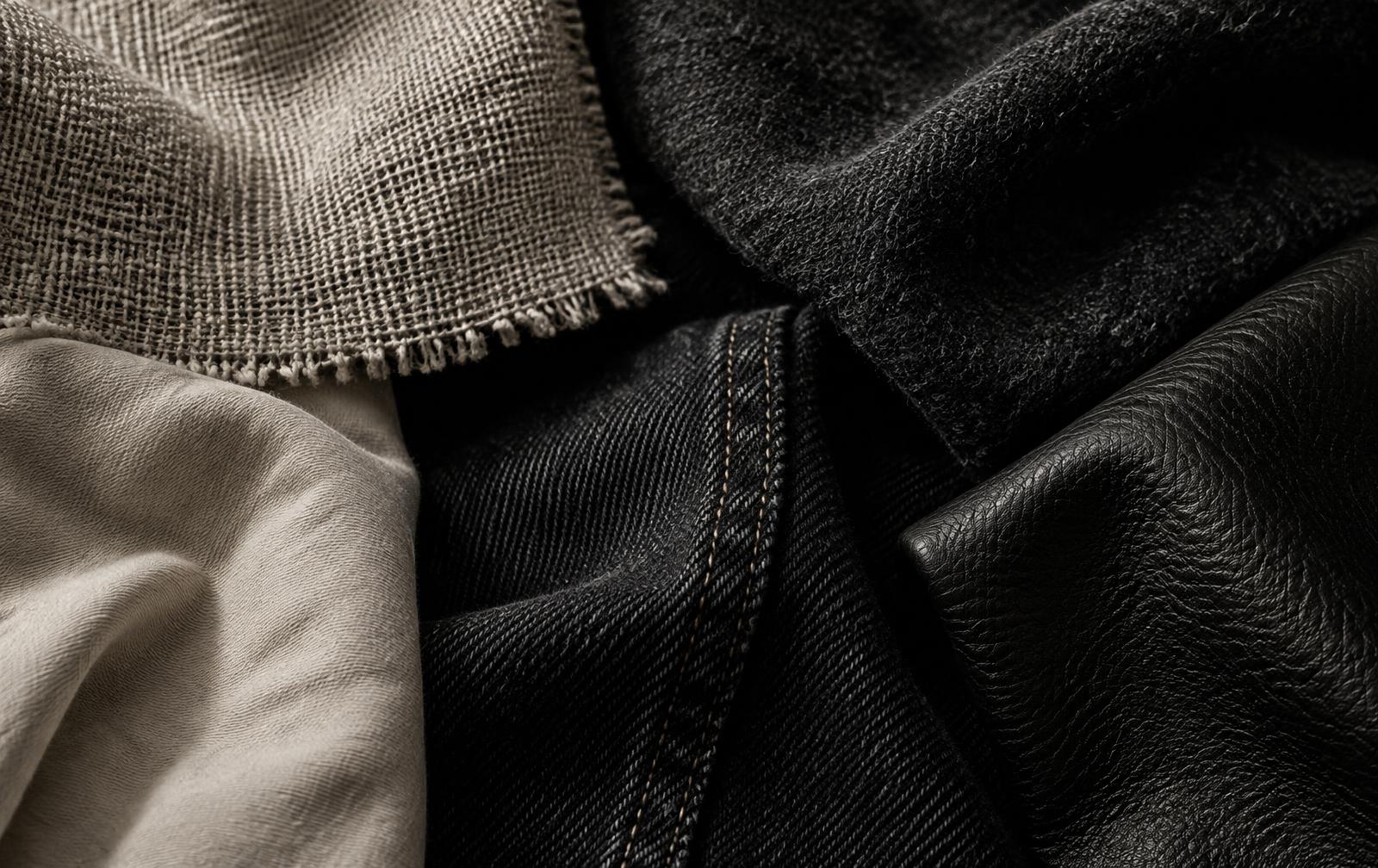
The weave of a shirt. The grain of a table. The worn edge of a stone step. Materials give design a physical character that colour and shape alone cannot provide.
We notice them through light, touch and use. A surface can soften a silhouette, sharpen a reflection or reveal the small irregularities that make an object distinctive. Over time, it can also record the way we live with it.
I
Material shapes the experience
The same form can feel very different when made from different materials.
A chair in timber has a different weight, temperature and presence from one in metal. A shirt in crisp cotton holds its shape differently from one in soft linen. Those qualities influence both appearance and function.
Choosing a material means considering how something will be used: how it should move, what it needs to withstand and how it will feel against the body.
A successful choice brings those needs together.
II
Texture gives simple surfaces depth
Texture describes the character of a surface: smooth, coarse, ribbed, brushed or uneven. Some textures are immediately visible. Others only become apparent up close.
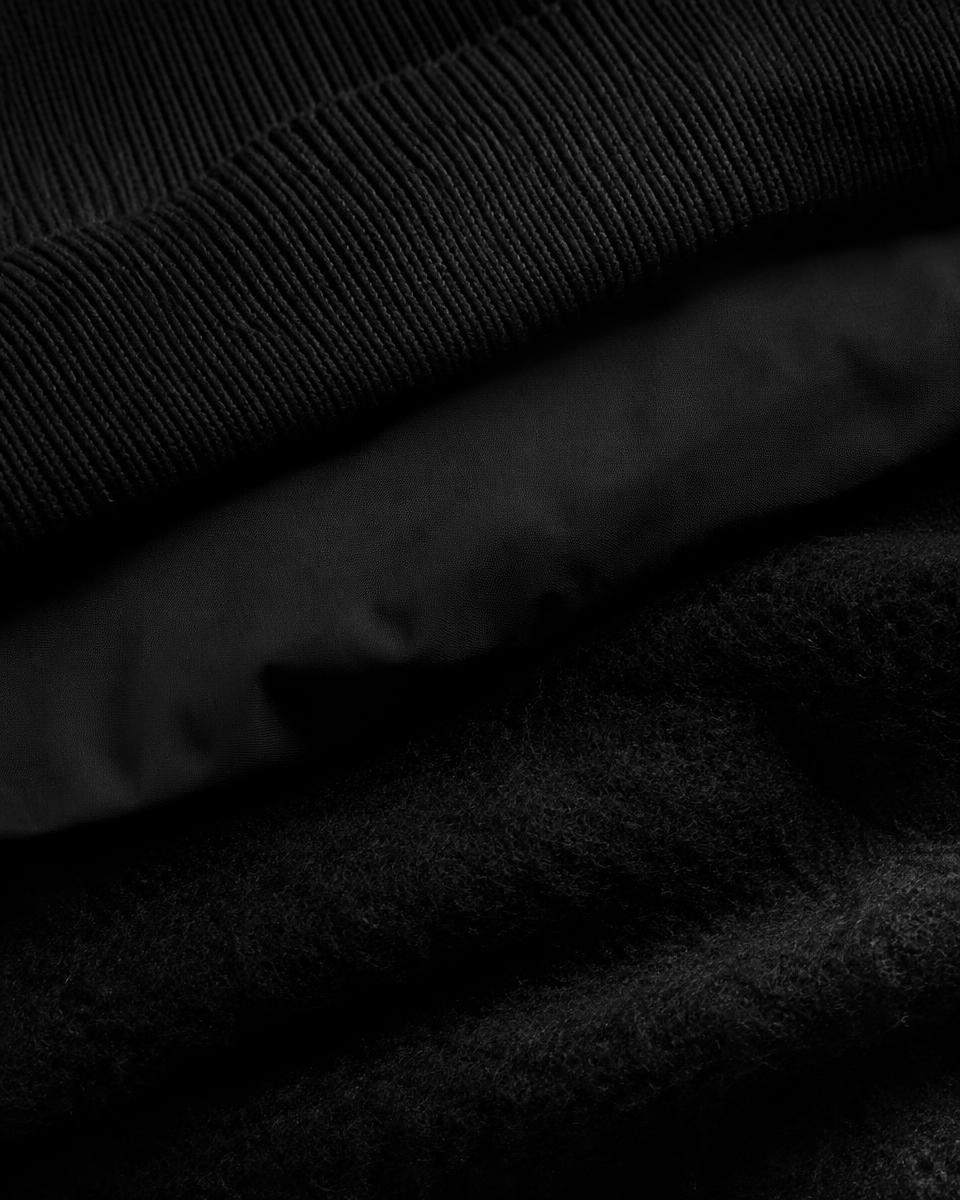
In a restrained design, these differences become especially noticeable. A knitted layer beside a smooth woven shirt creates variation even when both are black. The grain of timber can give a simple room a focal point.
Texture offers another way to build contrast, with subtle changes across a limited palette.
III
Light changes what we see
Materials respond differently to light.
A polished surface produces distinct reflections. A matte finish scatters light more softly. Raised fibres, folds and grooves create small shadows that change as the light moves.
This is why a fabric can appear rich and dimensional beside a window, then flatter under even lighting. Its colour has stayed the same; the conditions around it have changed.
Understanding a surface means looking at it from more than one angle.
IV
Construction matters
A material’s name tells only part of its story.
Two cotton fabrics can differ considerably in weight, weave, finish and feel. Linen can be fine and fluid or substantial and structured. The way fibres are spun, woven or knitted helps determine how the finished fabric behaves.
The same is true beyond clothing. Timber can be sanded, brushed or coated. Stone can be polished or left with a rougher surface.
To understand a material, look at how it has been worked as well as where it comes from.
V
Time leaves a trace
Use gradually changes surfaces.
Fabric may soften, colour may fade and frequently handled edges may become smoother. Some changes develop into a valued patina; others signal damage that needs attention.
How a material ages depends on its construction, finish, environment and care. Natural origin alone does not guarantee durability, and a pleasing appearance does not tell us how something will perform.
Choosing well means considering the object beyond its first day: how it can be maintained, repaired and used over time.
Explore materials and texture
01
Understanding Linen →
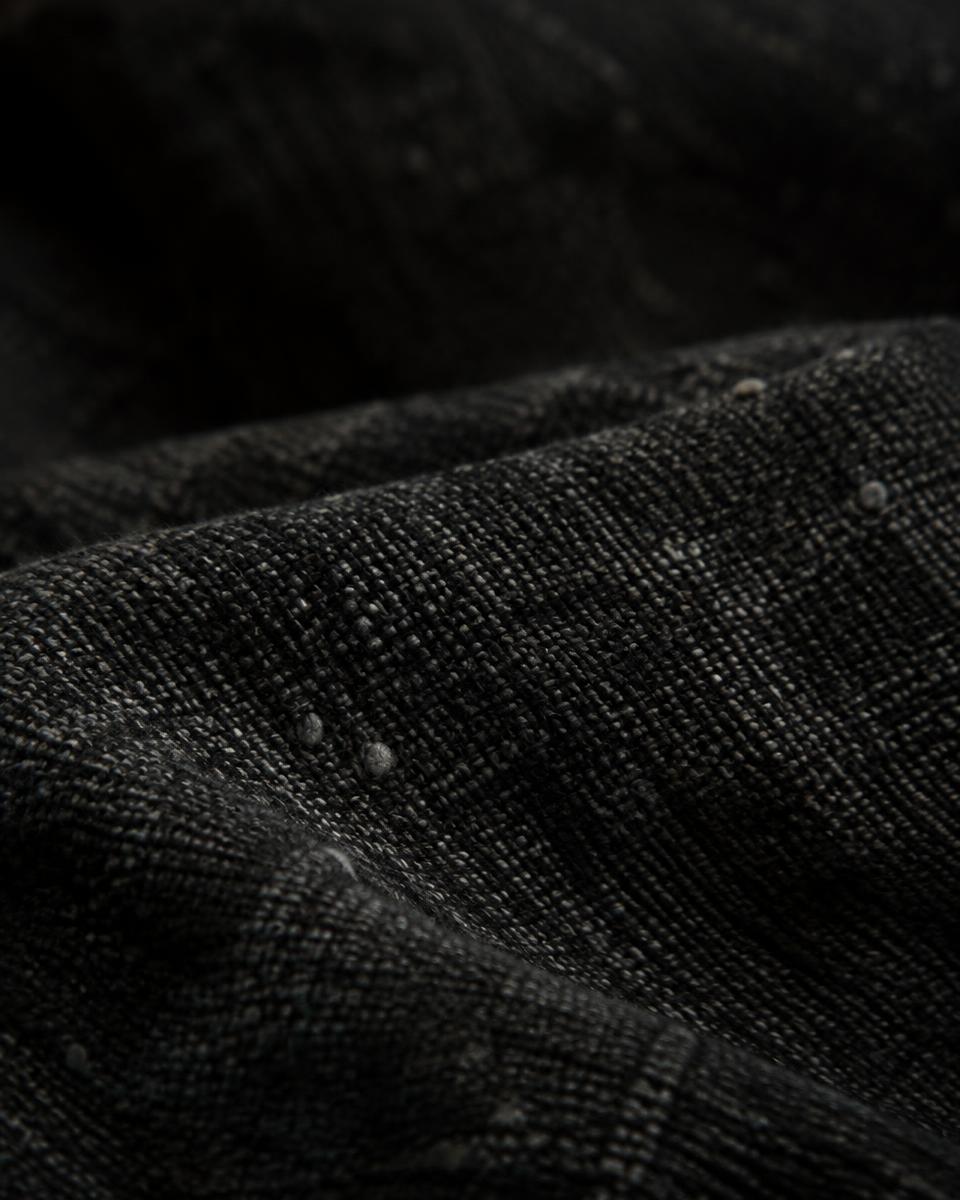
Fibre, weave and natural variation. Explore what gives linen its distinctive surface and how construction affects its feel.
02
Cotton & Structure →
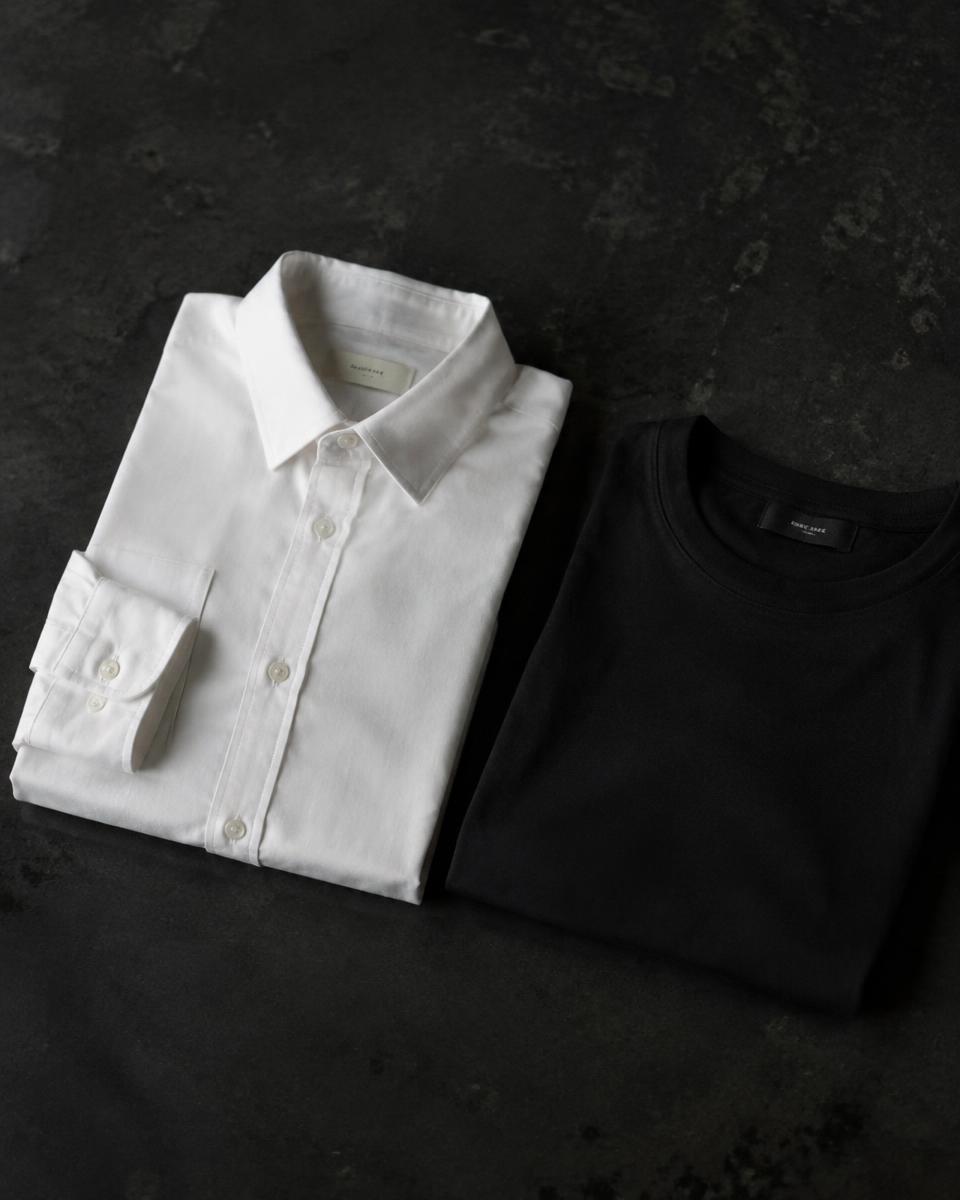
From soft jersey to crisp woven fabric. Discover how one fibre can produce very different forms and finishes.
03
Texture in Monochrome →
Knits, smooth surfaces and subtle contrasts. Understand how texture brings variety to a restrained palette.
04
Natural Materials →
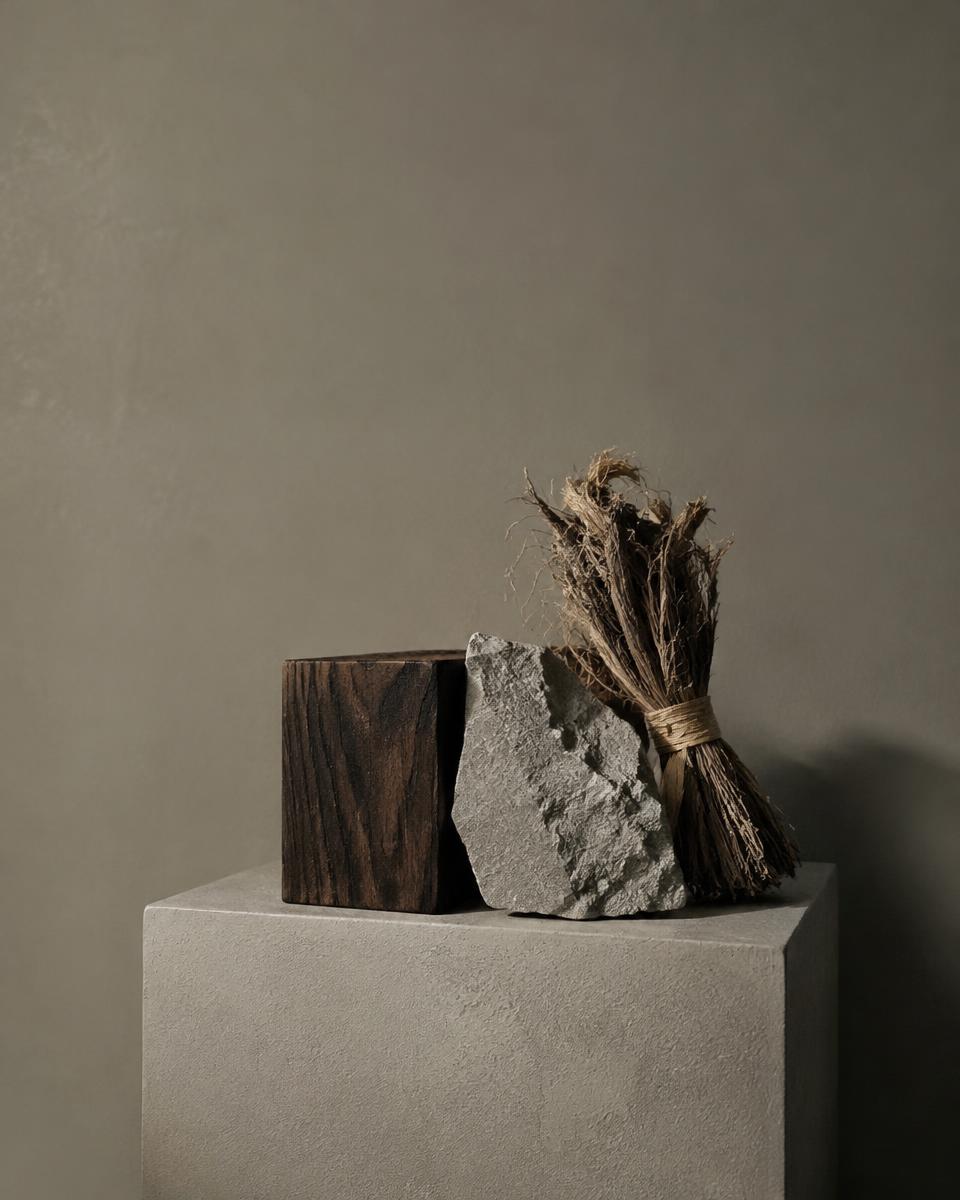
Wood, stone and plant fibres. Explore their individual qualities, practical uses and the variation within each material.
05
The Beauty of Wear →
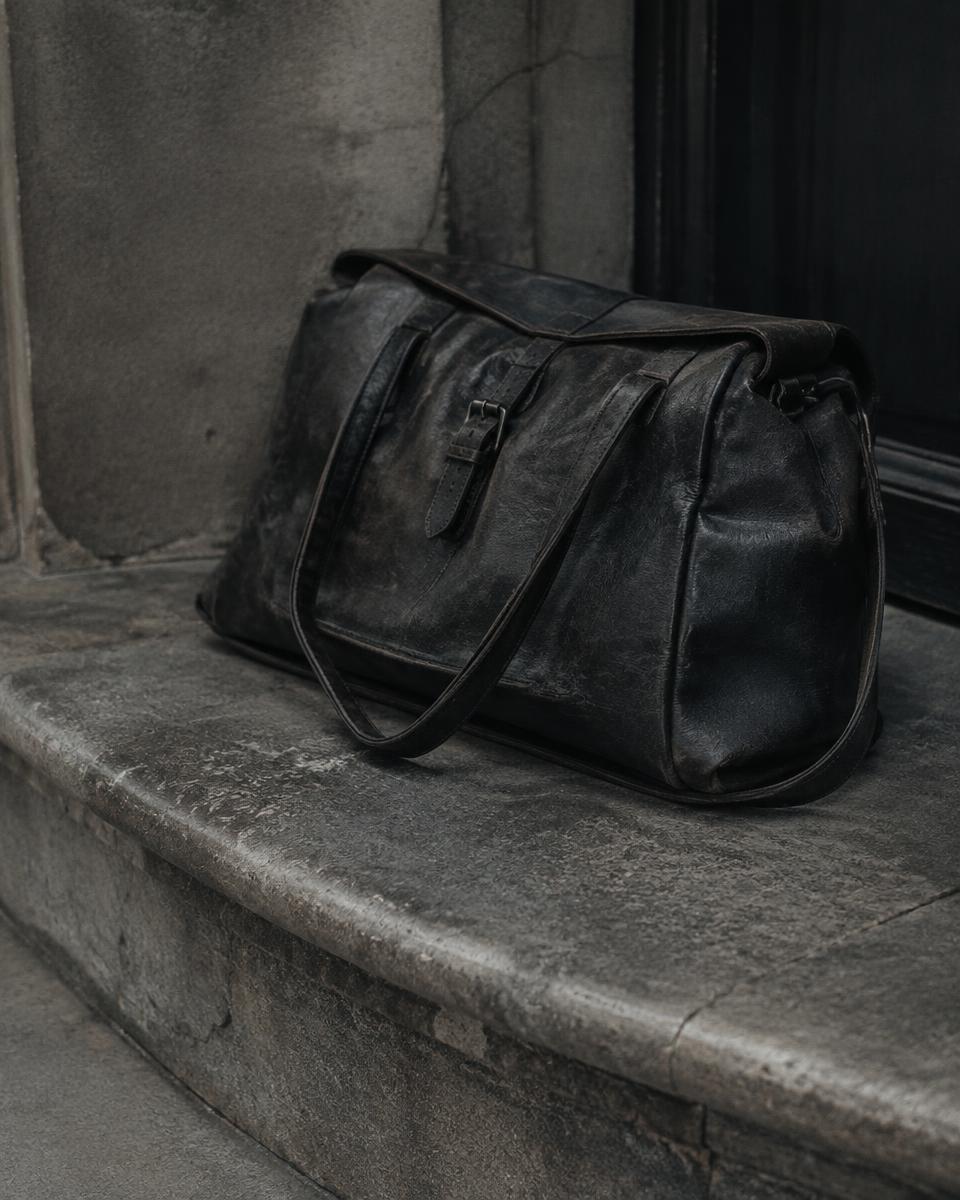
Softening, fading and patina. Look at how surfaces change through use and where care can make a difference.
Through the EUVRΛN lens
A quiet palette brings material details into focus. When colour is restrained, the weave of a fabric, the fall of a sleeve and the finish of a seam become more visible.
For EUVRΛN, materials are part of the balance between appearance and everyday comfort. Texture adds depth, while the way a fabric moves helps define the silhouette.
The details become clearer with a closer look.
Quiet. Minimal. Timeless.
← Back to The Design Code