The Design Code / 02
Form & Space
How shape, proportion and empty space work together.
The curve of a chair. The outline of a jacket. The distance between two buildings. We experience design through shapes and the relationships between them.
Form gives something its presence. Proportion connects its parts. Space allows us to see them clearly. Together, they influence how clothing sits on the body, how objects feel in a room and how our eyes move across a page.
I
Shape creates character
Every shape brings a different quality to a design.
Straight lines can feel precise and structured. Curves introduce softness and movement. Angular forms create sharper changes in direction, while rounded edges allow the eye to move more smoothly.
These qualities often work together. A rectangular building might contain a curved staircase. A structured shirt might fall loosely through the body. The relationship between those elements gives the whole its character.
Look closely at an everyday object and notice its outline. Much of what makes it recognisable begins there.
II
Proportion brings things into balance
Proportion describes how the parts of a design relate to each other and to the whole.
On a shirt, the width of a collar changes how we perceive the shoulders. The length of a sleeve affects the overall silhouette. Even a pocket can feel prominent or discreet depending on its size and placement.
The same principle applies to architecture and objects. A wide doorway, a slender chair leg or a deep window frame can change the impression of an entire design.
There is no single ratio that works everywhere. Balance depends on purpose, context and the effect you want to create.
III
Empty space gives form room
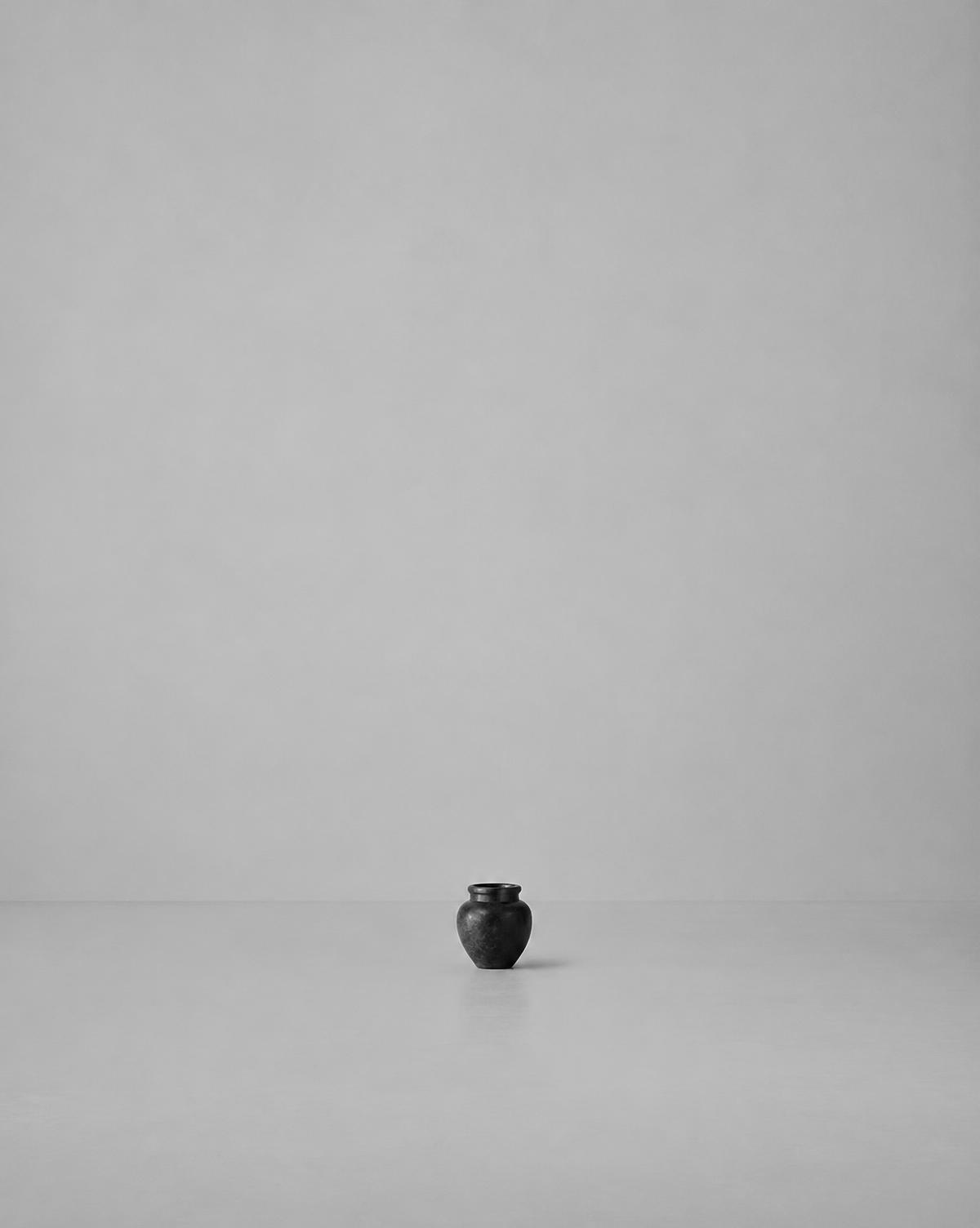
The areas around and between elements are part of the design. Often called negative space, they help us distinguish shapes and understand their relationship.
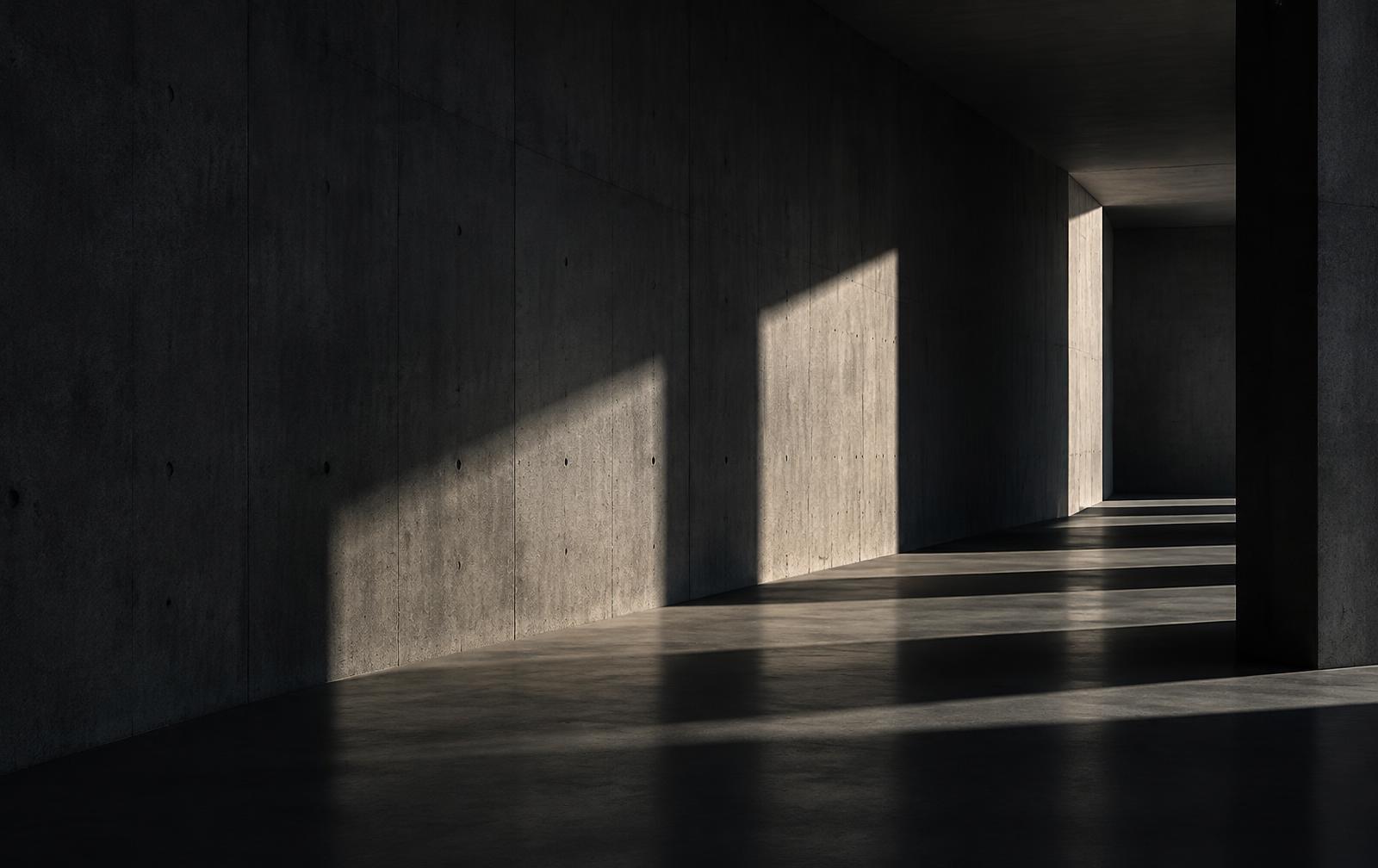
A generous margin gives text room to breathe. Space around an object makes its outline easier to appreciate. A gap between buildings frames a piece of sky.
In clothing, the space between fabric and body helps determine the silhouette and freedom of movement. It can create volume, soften a line or allow a garment to shift as its wearer moves.
Space has a practical role as well as a visual one.
IV
Repetition creates rhythm
Repeated shapes help connect separate elements.
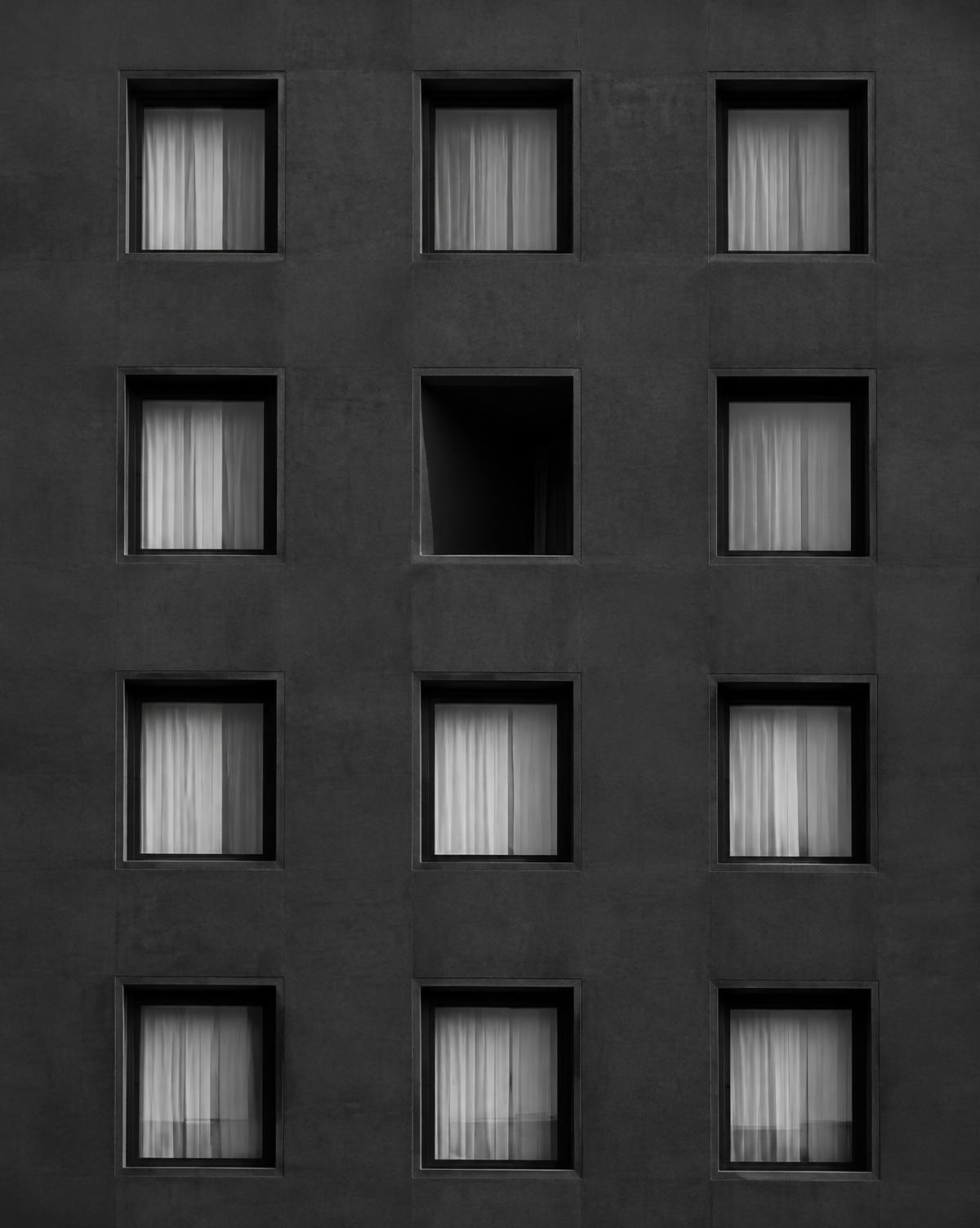
Windows across a façade, seams along a garment and lines of type on a page establish a rhythm. Their spacing determines whether the arrangement feels compact, open, steady or varied.
A change in that rhythm draws attention. One wider interval or a single offset element can become a focal point.
Symmetry offers one way to organise a composition. Asymmetry offers another, balancing elements of different sizes, positions or visual weight.
Explore form and space
01
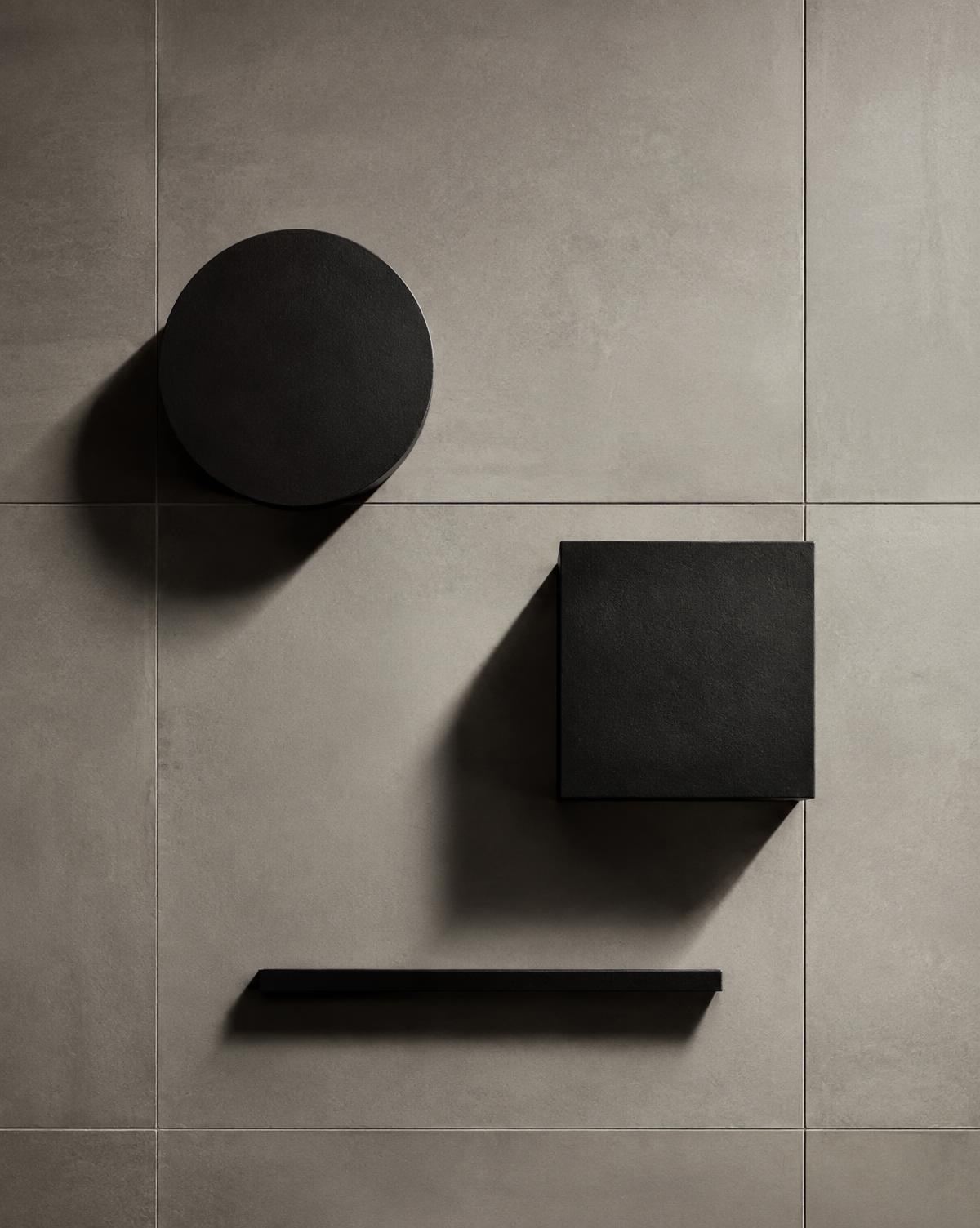
Geometry in Design →
Circles, squares, lines and grids. Explore how simple shapes become the foundations of clothing, objects and architecture.
02
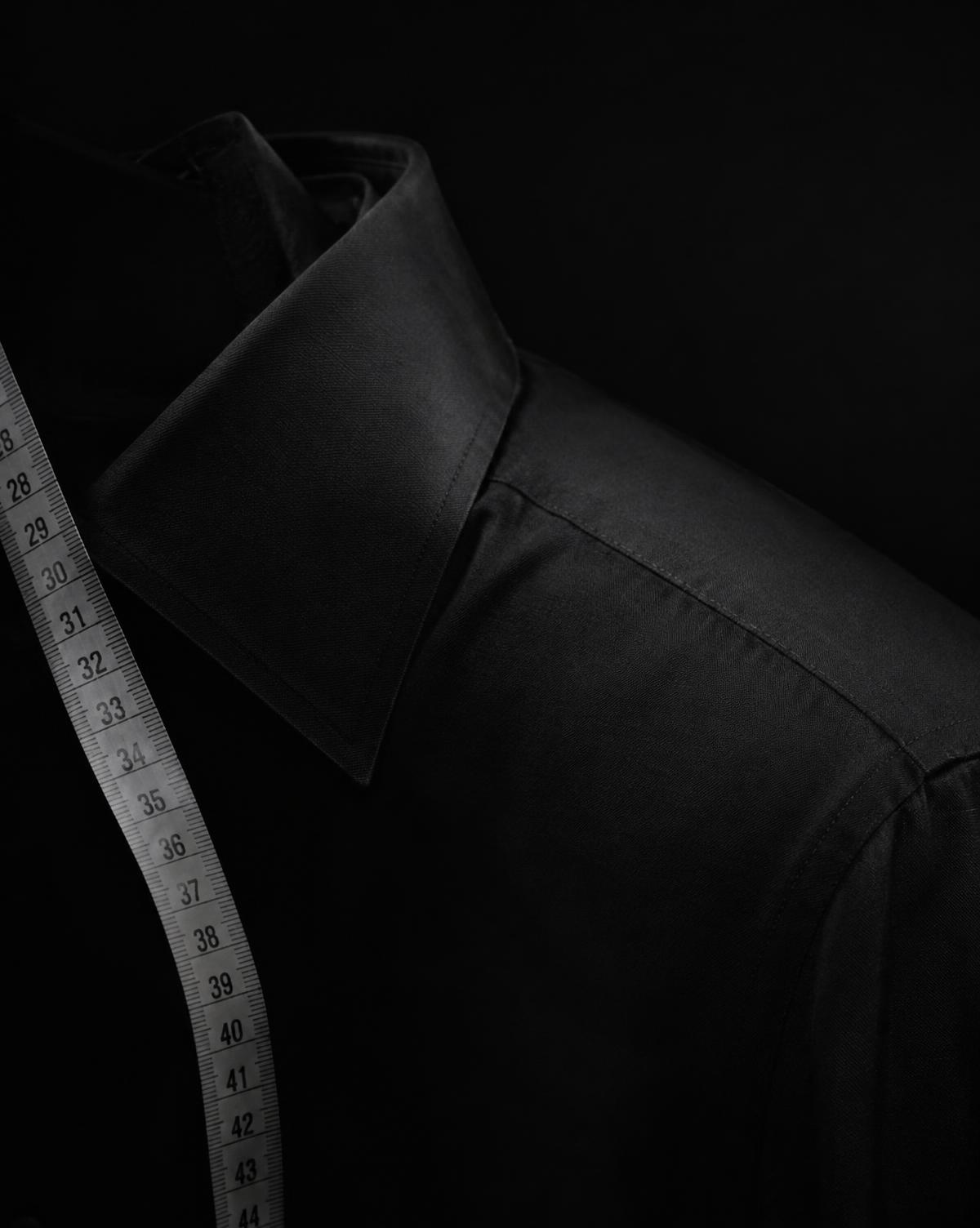
Understanding Proportion →
Scale, length, width and their relationships. Discover how small adjustments can change the character of a whole design.
03
Negative Space →
Margins, gaps and open areas. Look at how the space around something helps define what we see.
04
Symmetry & Asymmetry →
Two approaches to balance. Explore the clarity of mirrored forms and the possibilities of an uneven composition.
05
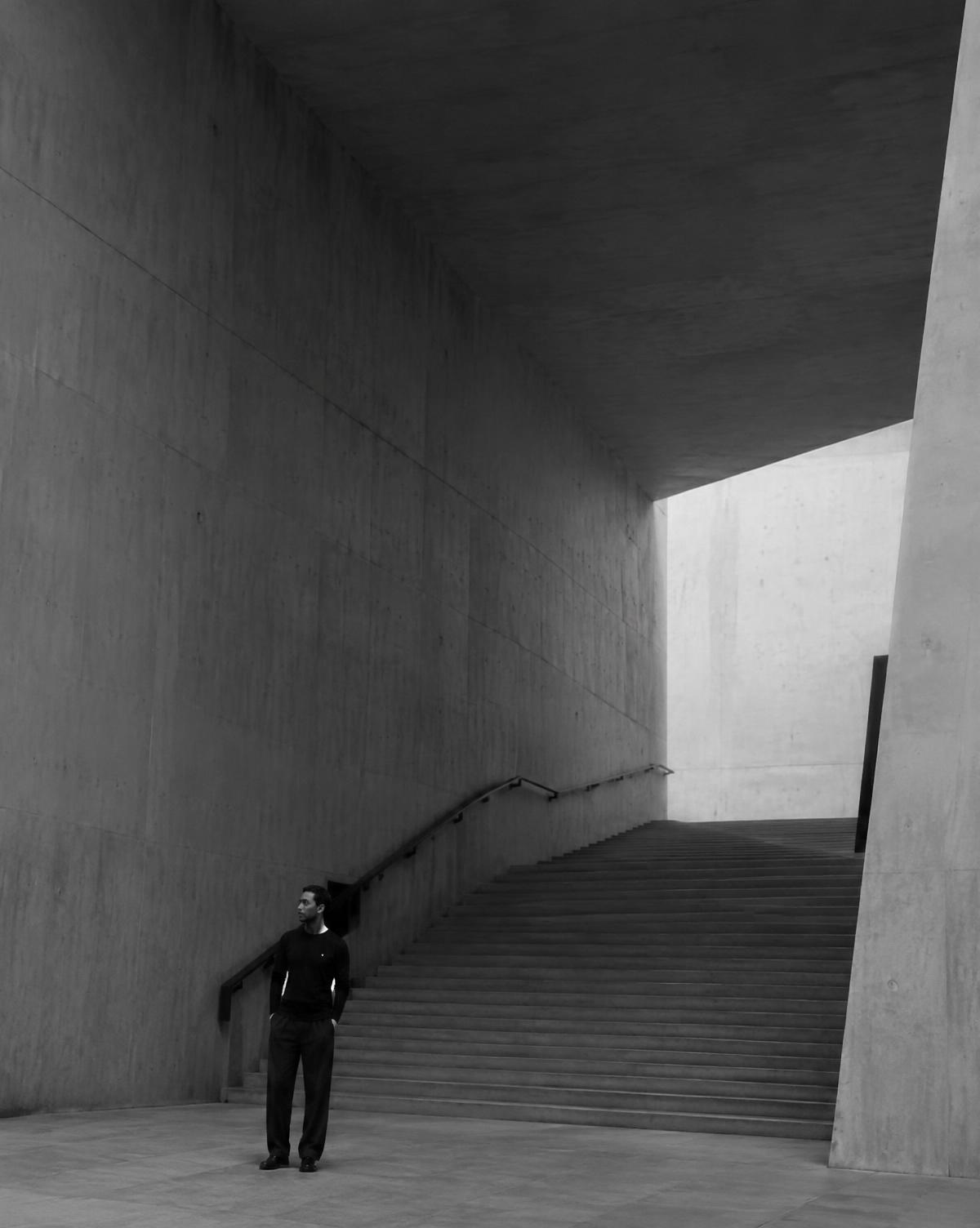
Architectural Influences →
Structure, volume and the human scale. Discover connections between the spaces we inhabit and the shapes we wear.
Through the EUVRΛN lens
EUVRΛN’s three-bar symbol uses simple geometry and changing proportions to create a recognisable form. The space between the bars is part of that identity.
In clothing, relaxed silhouettes bring proportion into everyday use: how a shirt falls, where shorts finish and how pieces work together on the body.
Each detail contributes to the whole, with room for movement and a clear sense of shape.
Quiet. Minimal. Timeless.
← Back to The Design Code