The Design Code / Form & Space
Geometry in Design
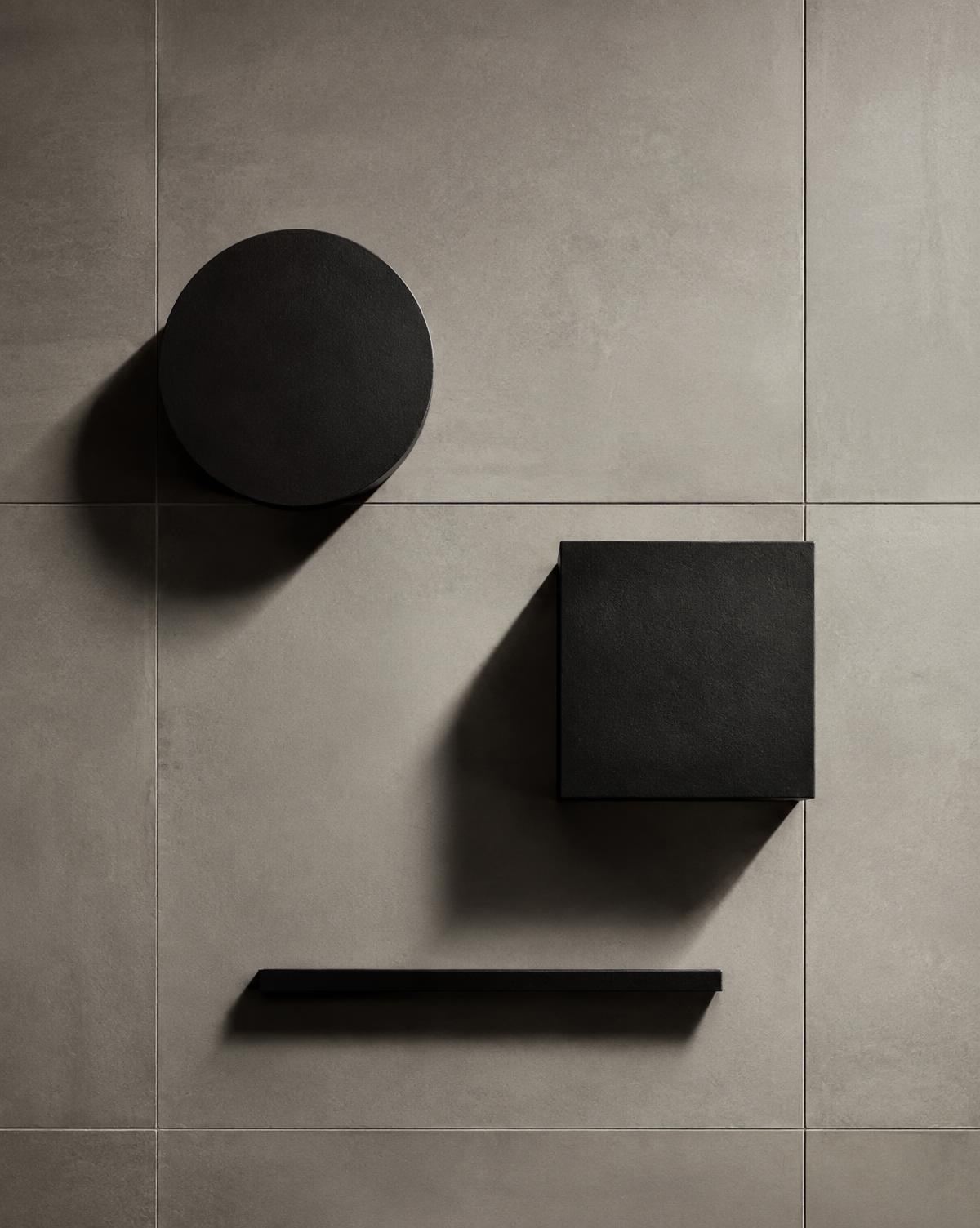
Circles, squares, lines and grids. Simple shapes that give everyday design its structure.
The round opening of a sleeve. The rectangular face of a building. The parallel lines of a woven fabric. Geometry appears throughout the things we wear, use and move around.
Sometimes it is immediately visible, as a pattern or an outline. Elsewhere, it provides an underlying structure, guiding the placement of a pocket, the spacing of windows or the arrangement of words on a page.
Learning to recognise these shapes reveals how a few simple elements can produce very different designs.
I
Lines establish direction
A line connects points, divides a surface or defines an edge. Its direction helps organise what we see.
Horizontal lines can emphasise width or connect elements across a composition. Vertical lines can draw attention to height. Diagonals introduce a change in direction, leading the eye between different areas.
In clothing, seams, hems and fastenings create lines across the body. In architecture, columns, floor levels and window frames establish a larger arrangement.
Their effect depends on length, thickness, spacing and context. A fine seam offers a subtle guide; a broad contrasting stripe becomes a prominent feature.
II
Circles introduce continuity
A circle has a continuous outline without corners. That quality makes it useful wherever a design calls for a rounded boundary or a central point.
We encounter circles in buttons, clock faces, bowls and handles. In each case, the shape has a relationship with use: fastening, rotation, containment or grip.
Within a composition of straight edges, a circular element introduces a clear difference. A round mirror on a rectangular wall or a curved neckline beneath a structured jacket creates a meeting between two kinds of form.
The circle’s size and placement determine whether it becomes a focal point or a quieter supporting detail.
III
Squares and rectangles organise space
Squares and rectangles provide a practical basis for dividing and arranging surfaces.
They can sit beside one another without leaving gaps, making them useful for tiles, shelving, page layouts and building façades. Their edges establish clear alignments, helping separate elements feel connected.
Changing the proportions changes the impression. A square panel has equal width and height. A long, narrow rectangle creates a stronger sense of direction.
In clothing, pockets, cuffs and fabric panels often begin with rectangular forms. Their dimensions and placement affect both function and appearance, even when the finished garment softens those shapes.
IV
Angles create points of change
An angle marks a shift in direction.
The point of a collar, the corner of a pocket and the slope of a roof all use angles to shape an outline. Acute angles create narrow points; wider angles allow a more gradual change.
Triangles bring these directional edges together. In a graphic arrangement, a triangular form may lead attention towards its point. In physical construction, triangles can also help create rigidity when their connections are appropriately designed.
The effect comes from how the shape is used. A small triangular detail may sharpen an otherwise soft outline, while a repeated series can establish a pattern.
V
Grids connect separate elements
A grid is a framework of intersecting lines used to organise placement and spacing.
On a page, it helps headings, images and paragraphs align. Across a façade, it can coordinate windows and structural elements. In textiles, crossing threads create a physical arrangement that can itself become visible.
The grid does not need to be shown in the finished design. We often recognise its influence through consistent edges, intervals and proportions.
It also provides a reference for variation. Once a regular arrangement is established, an element that spans two sections or sits slightly apart becomes more noticeable.
VI
Repetition builds rhythm
A single shape establishes a form. Repeating it creates a relationship.
Buttons along a shirt, slats across a chair and windows on a building introduce intervals that the eye can follow. Even spacing produces a steady rhythm. Changes in spacing or size create variation.
The gaps are part of the arrangement. Closely grouped shapes may read as one larger area, while wider spacing allows each element to stand on its own.
Before adding a new shape, consider what can be achieved by repeating, resizing or repositioning an existing one.
VII
Shapes change in three dimensions
Flat geometry is only a starting point for many physical objects.
A circle can become the opening of a cylinder or the outline of a sphere. A rectangle can fold into a box, curve around a surface or form part of a larger volume.
Clothing makes this transformation especially clear. Flat pattern pieces are cut and joined to accommodate a moving body. Seams, darts, gathers and the behaviour of the fabric help create volume.
A geometric shape that looks precise on a table may become curved or irregular when worn. Understanding that change connects the drawn form with the finished experience.
VIII
Geometry meets material
The same shape behaves differently in different materials.
A square cut from stiff card holds a defined plane. Cut from soft cloth, it can fold, stretch or hang. A circular outline in polished metal feels different from one formed in rough clay.
Material also affects the precision of an edge. Some processes create sharp boundaries; others leave softer or more variable contours.
Design develops through this relationship. Geometry provides the structure, while material and construction determine how that structure appears in use.
IX
A closer look
Choose an everyday object—a shirt, chair or bag—and identify its simplest shapes.
Follow its main lines. Look for circles, rectangles and angles. Notice which edges align, which forms repeat and how much space sits between them.
Then consider one small change. What would happen if a pocket became wider, a corner became rounded or the spacing between fastenings increased?
Thinking through these adjustments reveals how strongly the whole depends on the relationships between its parts.
Through the EUVRΛN lens
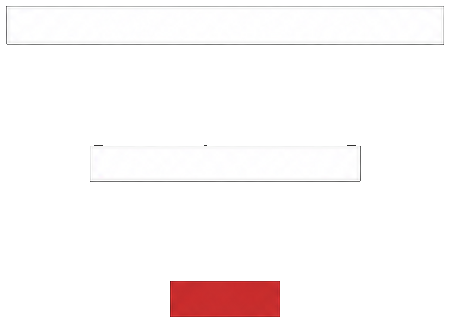
EUVRΛN’s three-bar symbol uses parallel horizontal forms of decreasing width. Alignment connects them, spacing keeps them distinct and the red lower bar introduces a point of difference.
A small number of geometric decisions creates a recognisable arrangement.
In clothing, geometry becomes more fluid. The line of a hem, the shape of a collar and the placement of a pocket work with fabric and movement to define the finished silhouette.
Quiet. Minimal. Timeless.
← Back to Form & Space