The Design Code / 04
Design Movements
Influential ideas that still shape clothes, buildings and everyday objects.
The simple outline of a chair. The grid beneath a printed page. The exposed structure of a building. Many familiar design choices belong to a wider history of people questioning how things should be made.
Design movements emerge from particular places and circumstances. They reflect changing technologies, cultural values and ways of living. Their ideas continue to be adapted, shaping objects and spaces far beyond their original setting.
Understanding those ideas gives us another way to look at the everyday.
I
Ideas become a visual language
A movement brings together shared questions and approaches, although the people associated with it may disagree on the answers.
What should an object do? How should its construction influence its appearance? What role should decoration play? Who should good design be available to?
Over time, these questions produce recognisable qualities: geometric forms, expressive surfaces, simplified structures or a particular relationship with materials.
The appearance is the visible result of the thinking behind it.
II
Function influences form
The relationship between usefulness and appearance runs through much of modern design.
A handle needs to fit the hand. A doorway needs to accommodate movement. A garment needs to work with the body. These requirements give designers a starting point for decisions about shape, scale and construction.
Different approaches interpret function differently. Some emphasise efficiency and repeatable production. Others give greater attention to comfort, flexibility or the experience of using an object.
Looking at both purpose and appearance helps explain why a design takes the form it does.
III
Materials open new possibilities
Changes in materials and production methods create opportunities to rethink familiar objects.
Steel, glass and concrete expanded the possibilities of buildings and furniture. Developments in textiles changed how clothing could stretch, hold its shape and move. Printing and manufacturing techniques helped visual ideas reach wider audiences.
Designers respond to these possibilities in different ways. Some make construction visible. Others use new methods to achieve forms that once would have been difficult to produce.
Materials help shape the ideas as well as the finished result.
IV
Simplicity takes different forms
A spare interior, a geometric poster and an understated garment may share visual qualities while coming from different traditions.
Minimalism, modernism and the Bauhaus have distinct histories. Japanese and Scandinavian design each encompass many approaches, shaped by their own cultural settings.
Understanding those differences makes the connections more interesting. Similar forms can express different priorities, from industrial production to craftsmanship, everyday comfort or an appreciation of irregularity.
A useful starting point is to ask what the simplicity is doing.
V
Ideas travel and evolve
Design rarely develops in isolation. People, objects, exhibitions and publications carry ideas between places and disciplines.
An architectural principle may find a new expression in furniture. A graphic composition may suggest a way to arrange a garment’s panels. A traditional technique may be adapted for contemporary production.
As ideas travel, their meaning can change. Exploring their origins helps us appreciate both the original work and the new interpretations that follow.
Explore the ideas
01
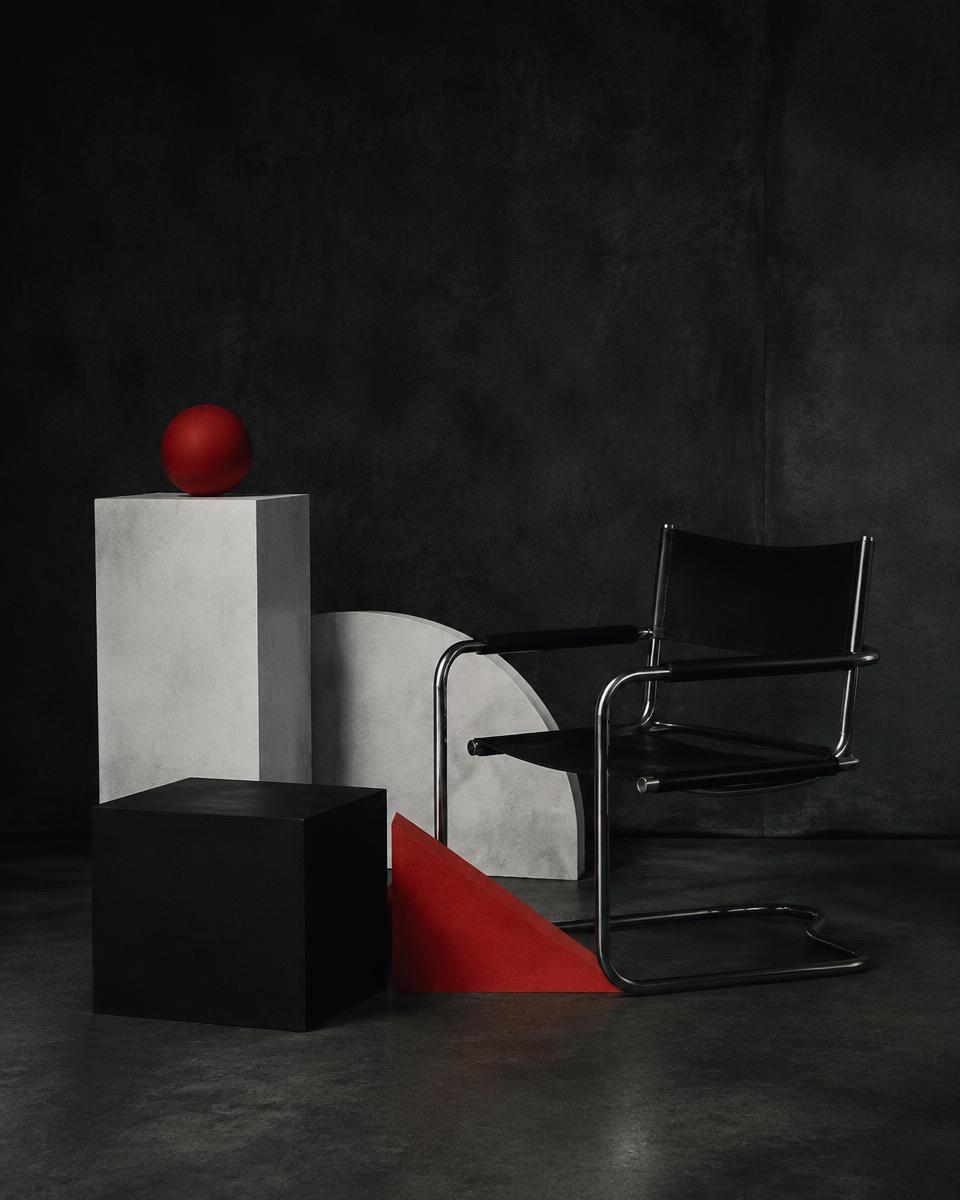
Bauhaus →
Art, craft and industry in conversation. Explore an influential school whose experiments crossed architecture, furniture, textiles and graphic design.
02
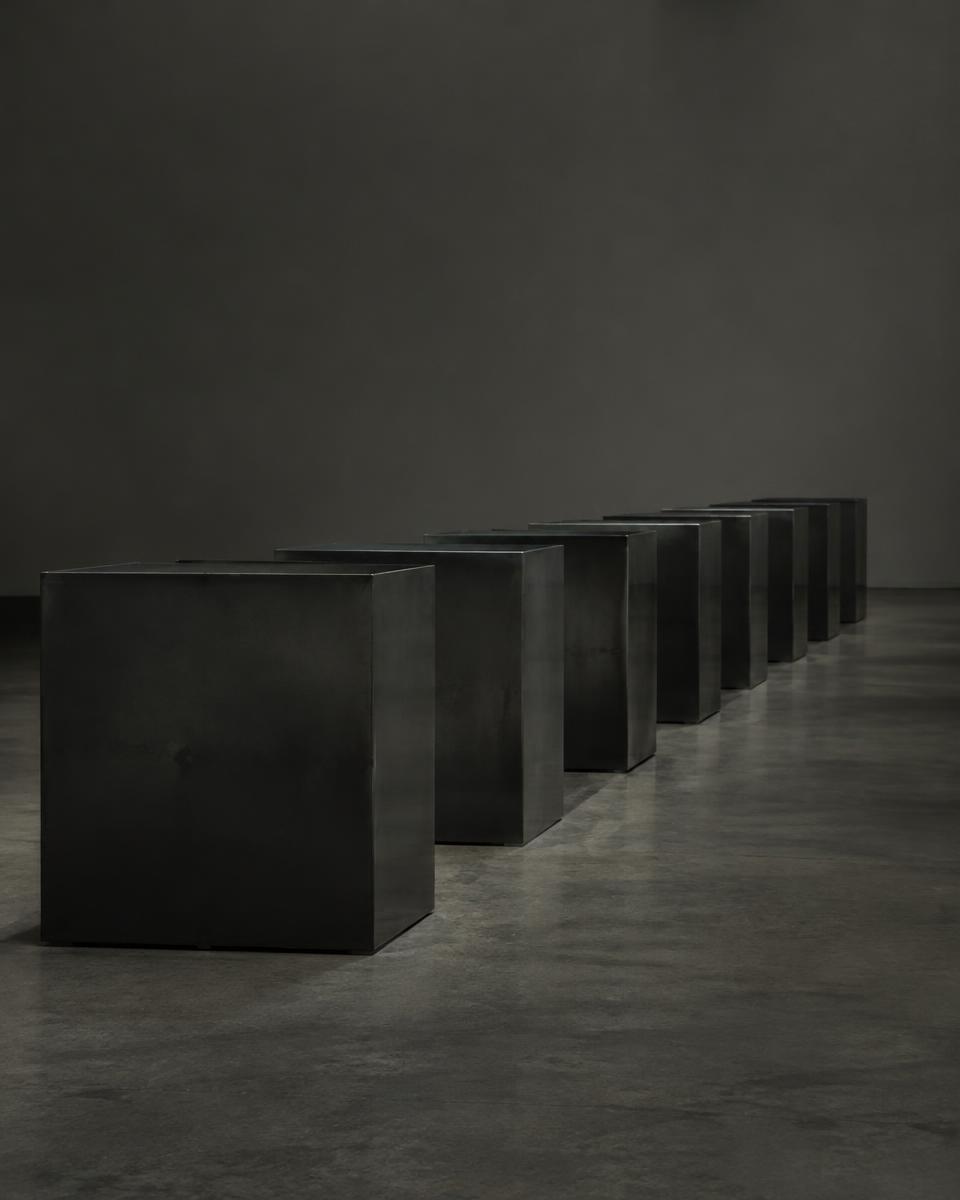
Minimalism →
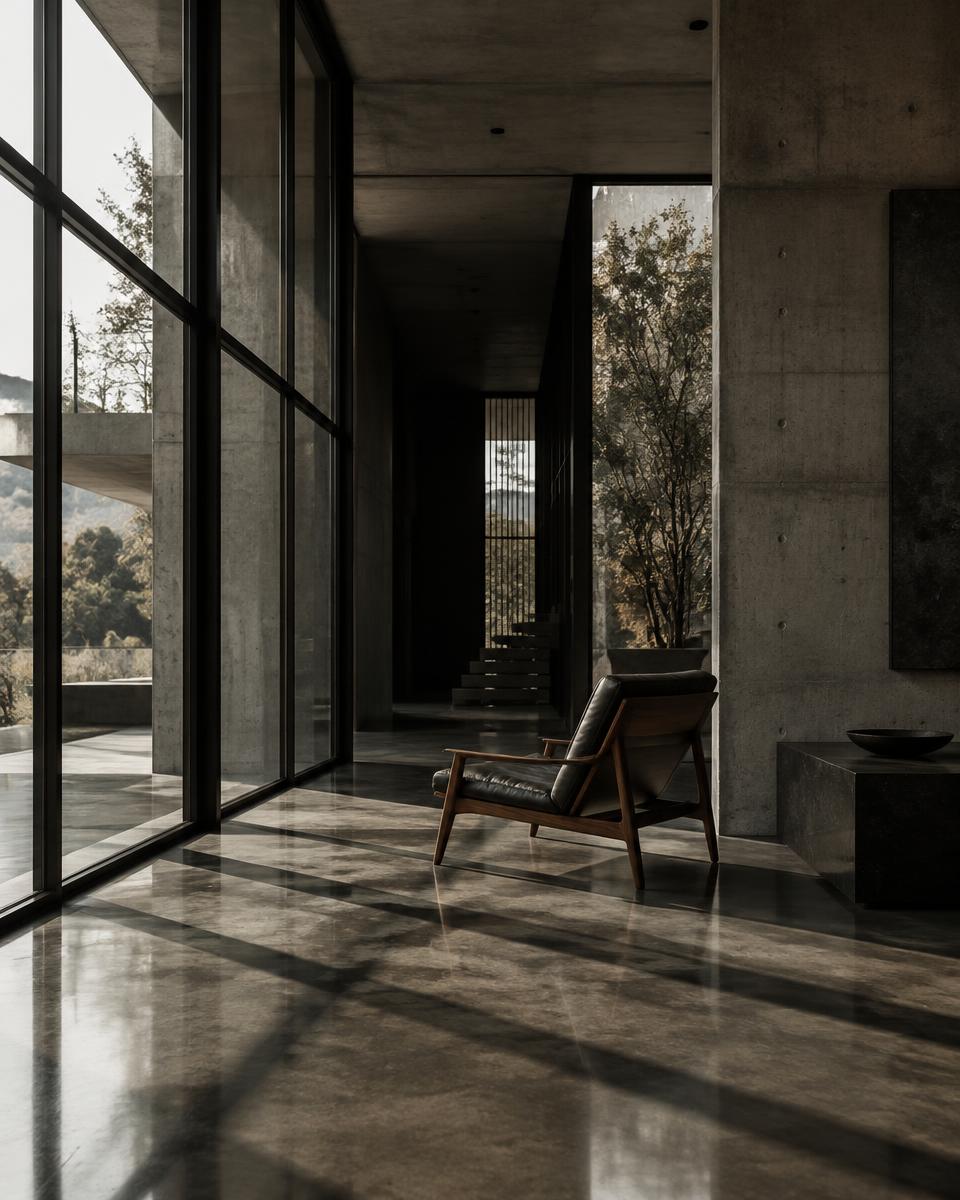
Reduction, repetition and the presence of materials. Discover the movement’s artistic roots and how minimalist thinking is interpreted in everyday design.
03
Modernism →
New forms for changing ways of life. Explore approaches that reconsidered tradition, embraced new possibilities and questioned how design should serve society.
04
Japanese Design Perspectives →
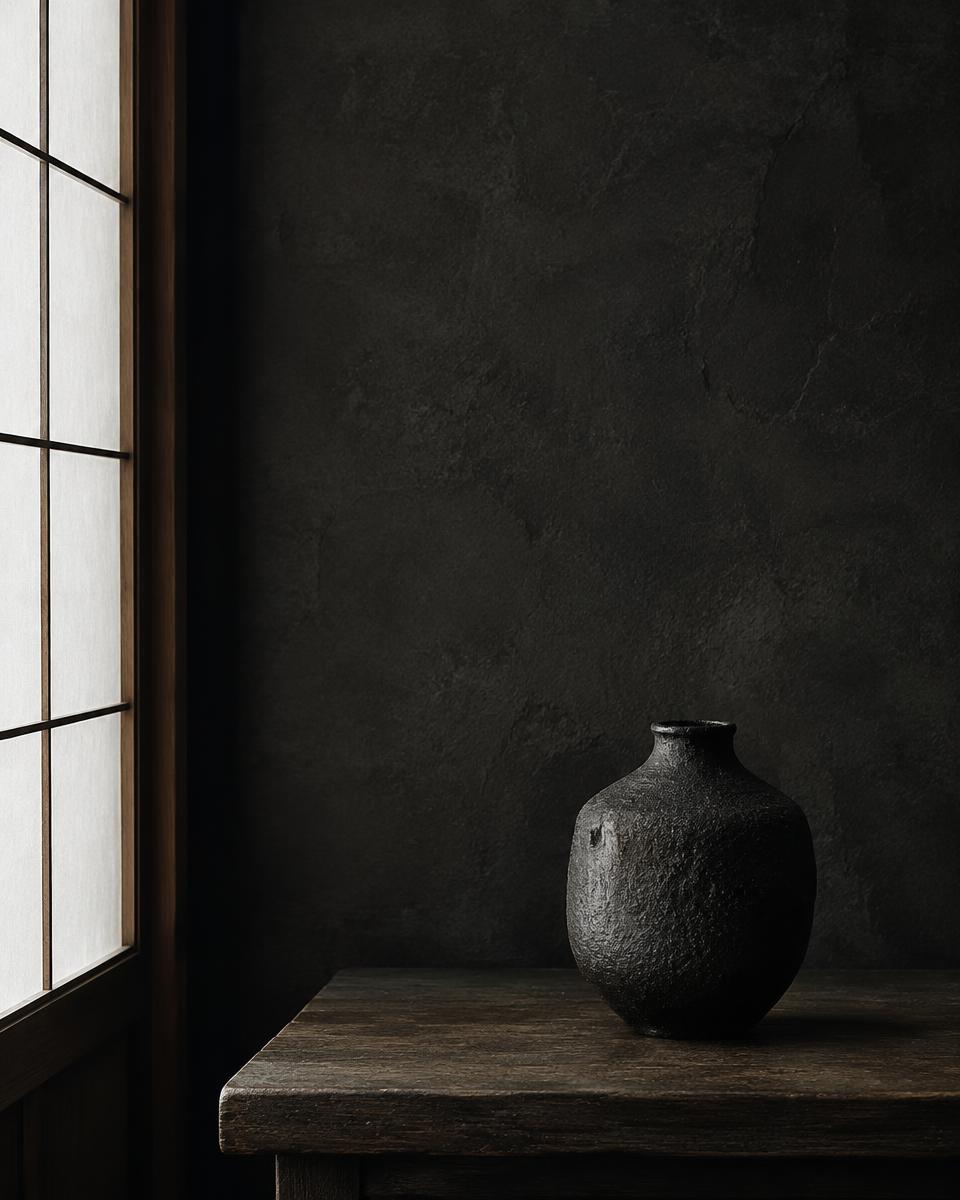
Material sensitivity, spatial awareness and an appreciation of imperfection. Explore specific ideas and practices within a diverse design culture.
05
Scandinavian Design →
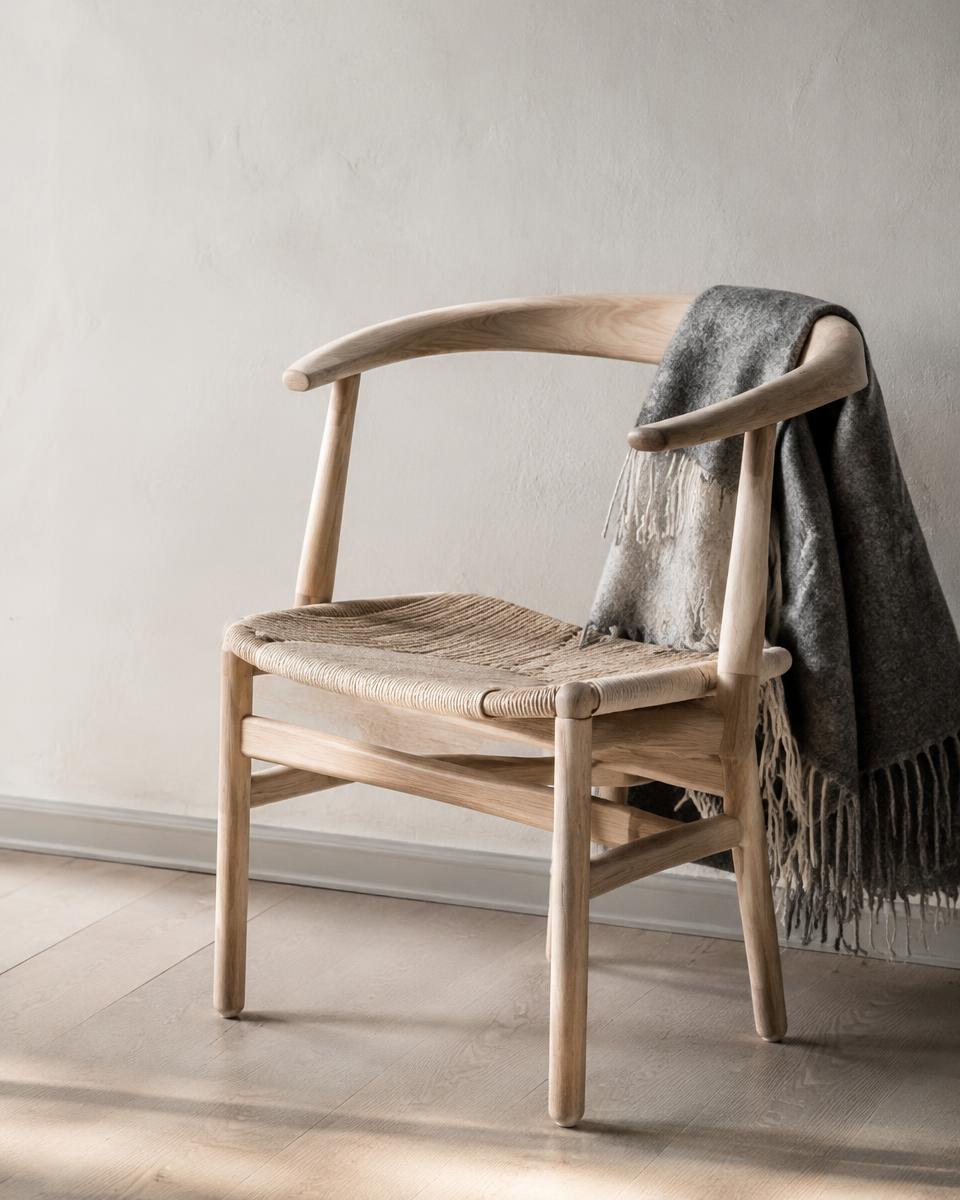
Practicality, craftsmanship and everyday comfort. Discover approaches to furniture, objects and interiors that bring usefulness and visual clarity together.
Through the EUVRΛN lens
The Design Code provides a place to explore these histories and consider the questions they raise.
For EUVRΛN, simplicity, proportion, function and material character are useful points of connection. They offer ways to think about clothing and the wider visual world around it.
A clear silhouette. A considered surface. A detail that earns its place.
Quiet. Minimal. Timeless.
← Back to The Design Code