The Design Code / 07
Objects
& Function
How things feel in use.
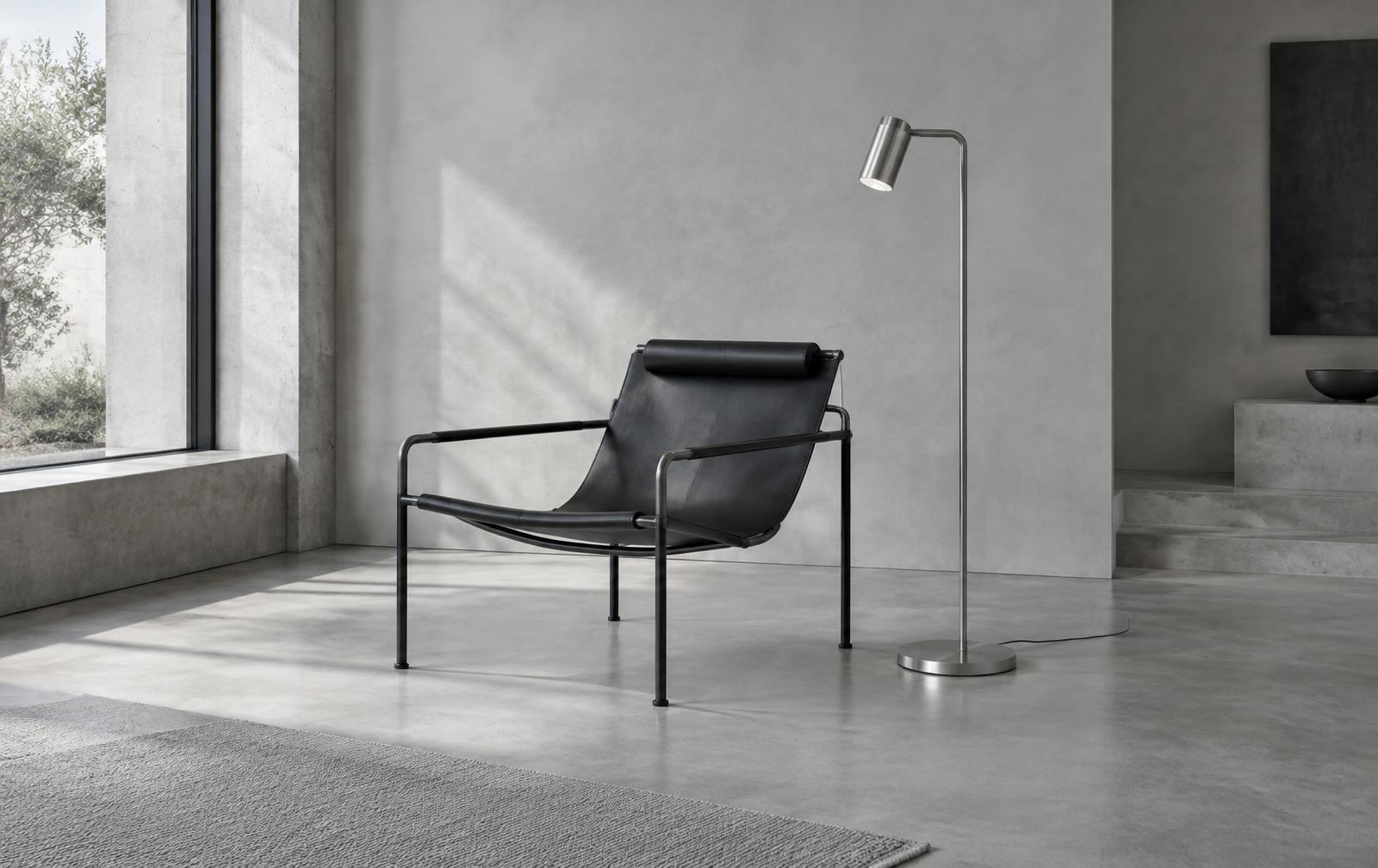
Pull a chair up to a kitchen table and you learn something about its design before you sit down. Perhaps the curved back fits neatly in your hand. Perhaps your fingers have to search beneath the seat for somewhere to grip. Both chairs might look equally inviting from across the room. You discover the difference when you move one.
I
Details you learn by hand
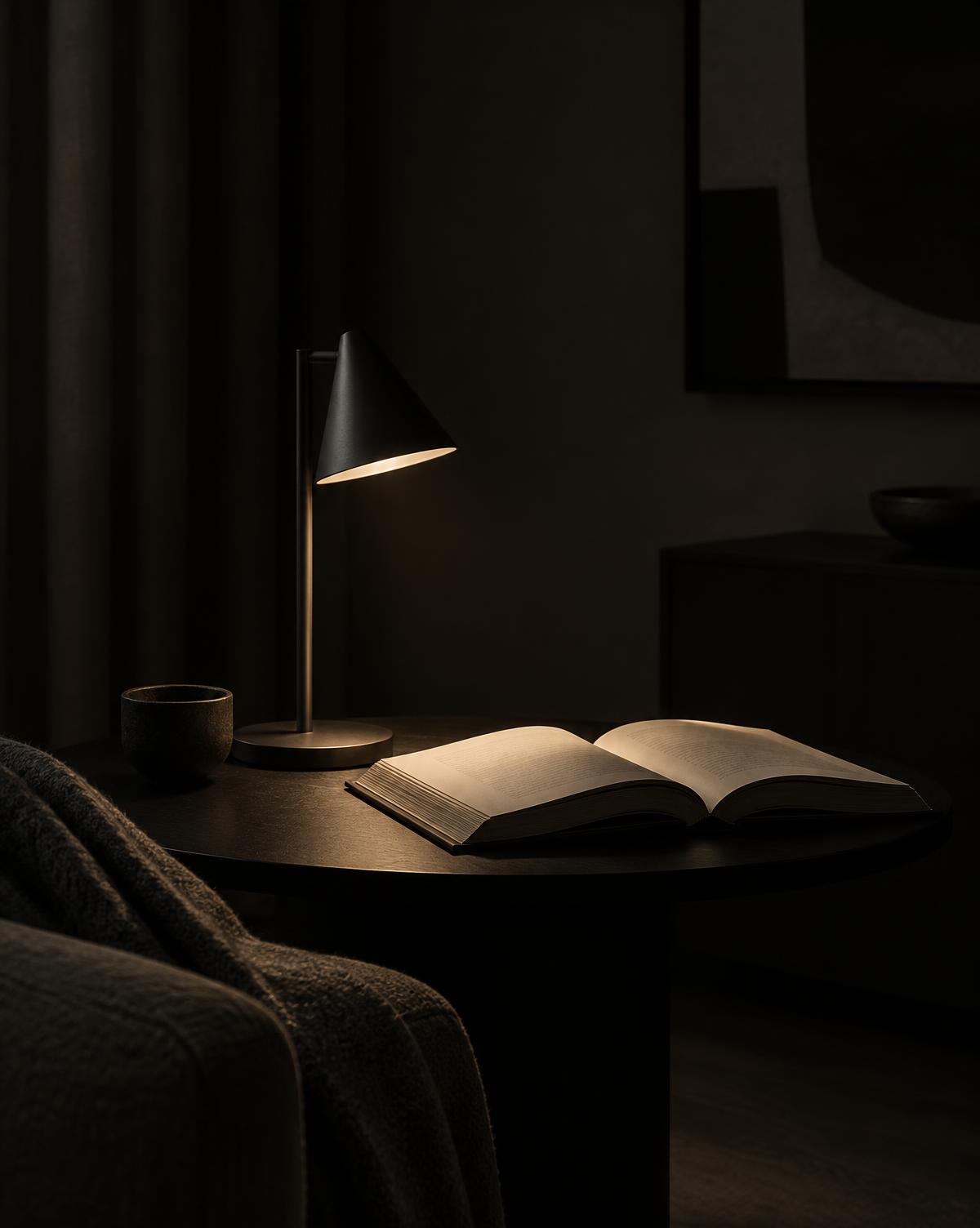
Everyday objects are full of details like this. A reading lamp with a switch on its base is easy to find with one hand while the other holds a book open. The small notch in a fold-out tool gives a thumbnail just enough purchase to lift the blade.
With use, your hand learns where to go.
Both chairs might look equally inviting. You discover the difference when you move one.
Explore Objects & Function
01
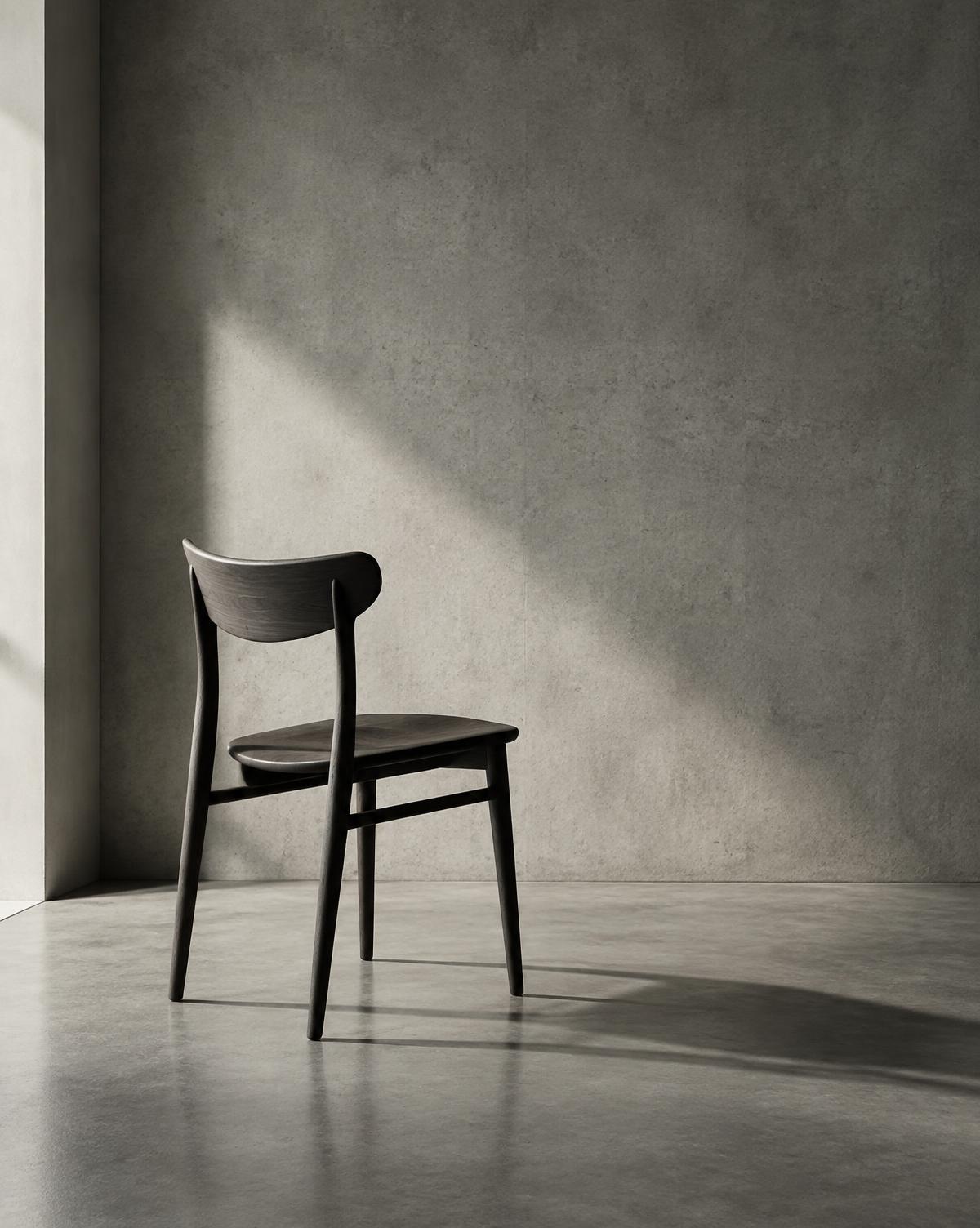
The Anatomy of a Chair →
What the curve of a backrest, the depth of a seat and the angle of a leg mean for the person sitting down.
02
Directing the Light →
How a lamp’s shade, reach and controls shape the simple act of reading at night.
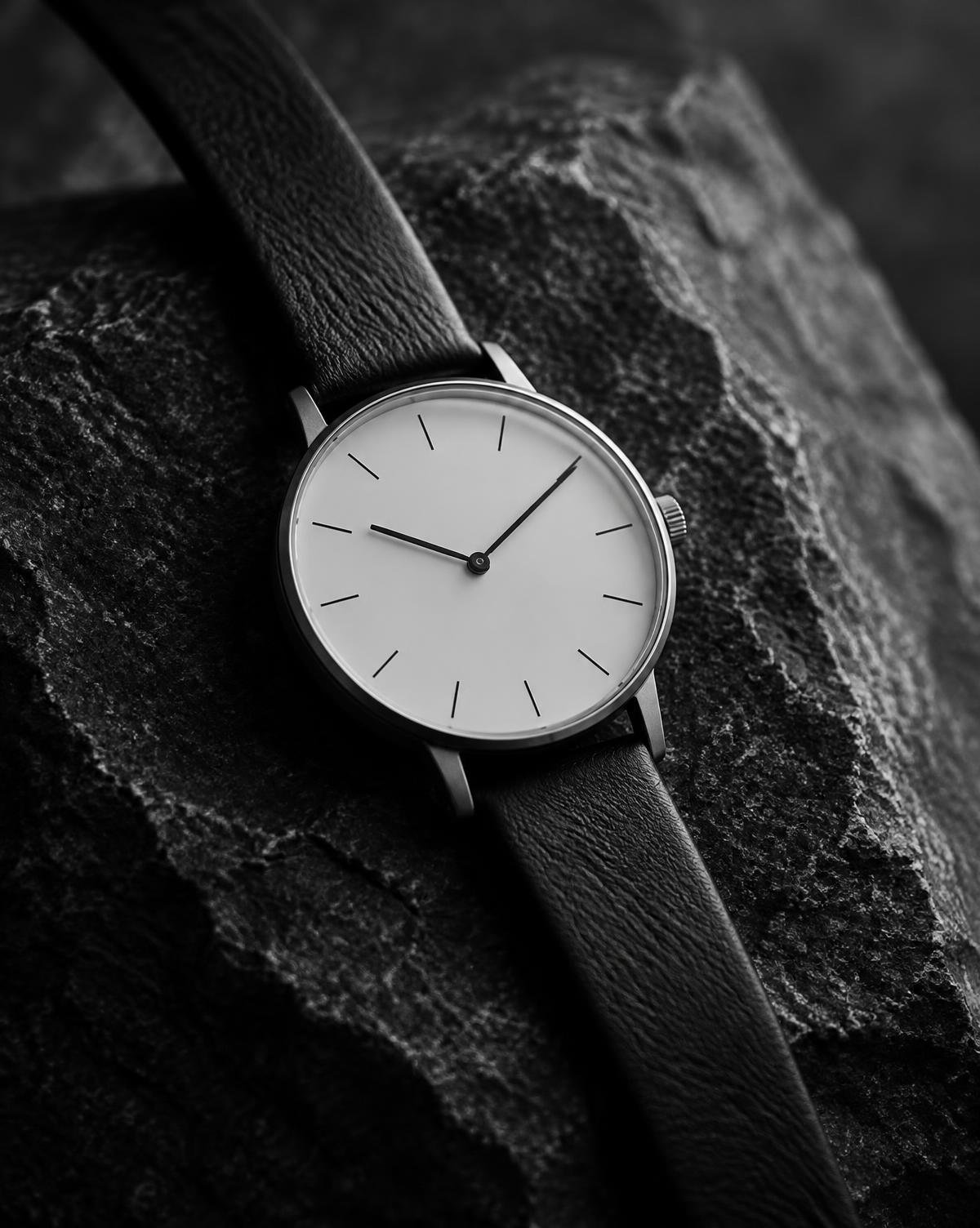
03
Reading a Watch →
How the hands, hour markers and spacing on a dial help you tell the time at a glance.
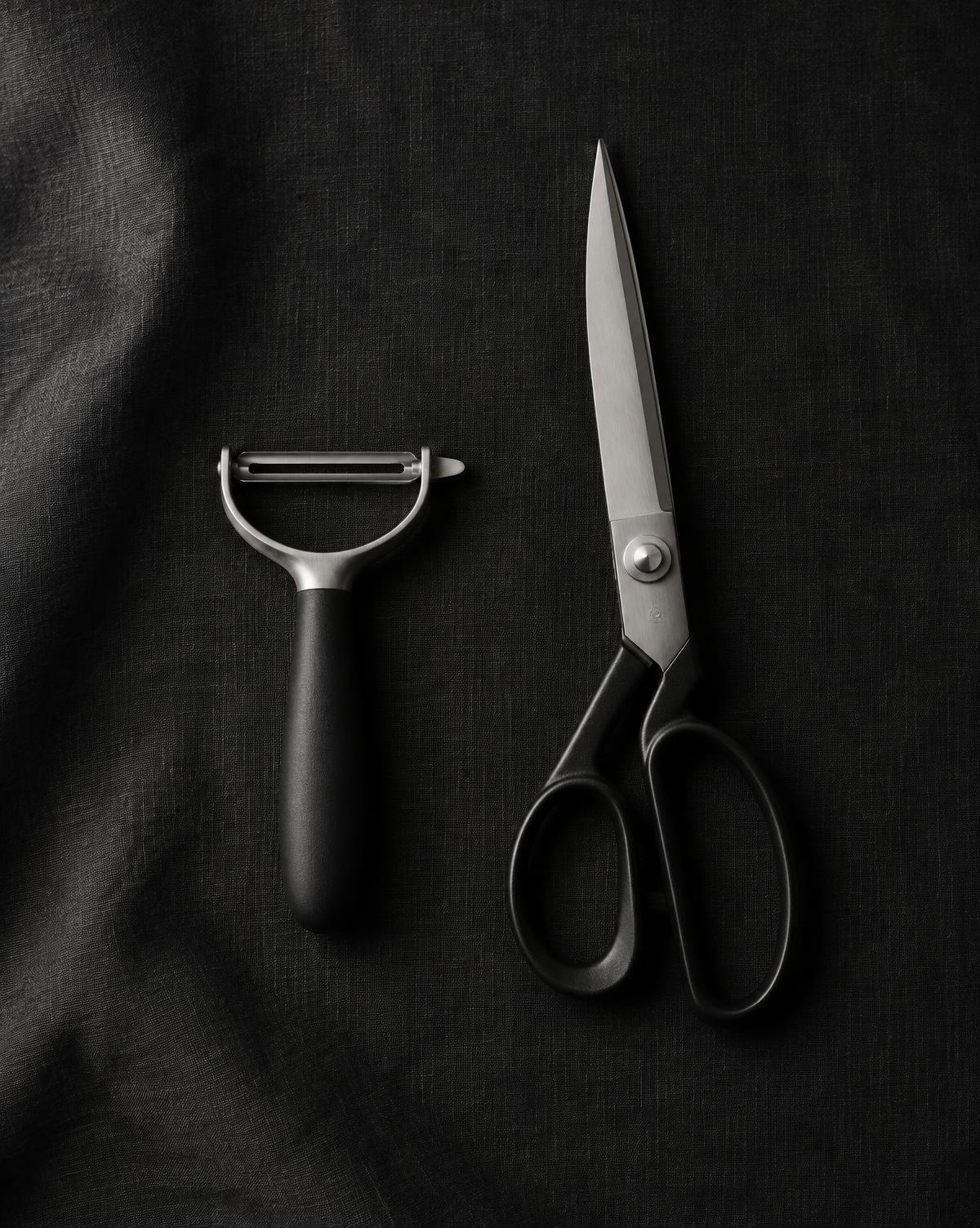
04
Tools That Earn Their Place →
Why the grip of a peeler or the balance of a pair of scissors keeps us reaching for the same one for years.
Through the EUVRΛN lens
We think about EUVRΛN clothing in much the same way. A pocket has a shape you can see when a pair of shorts is laid flat. Its angle makes more sense when you slip your hand inside.
A drawstring is a line against the fabric until you tie it, and its length, weight and texture all come into play.
Quiet. Minimal. Timeless.
← Back to The Design Code