
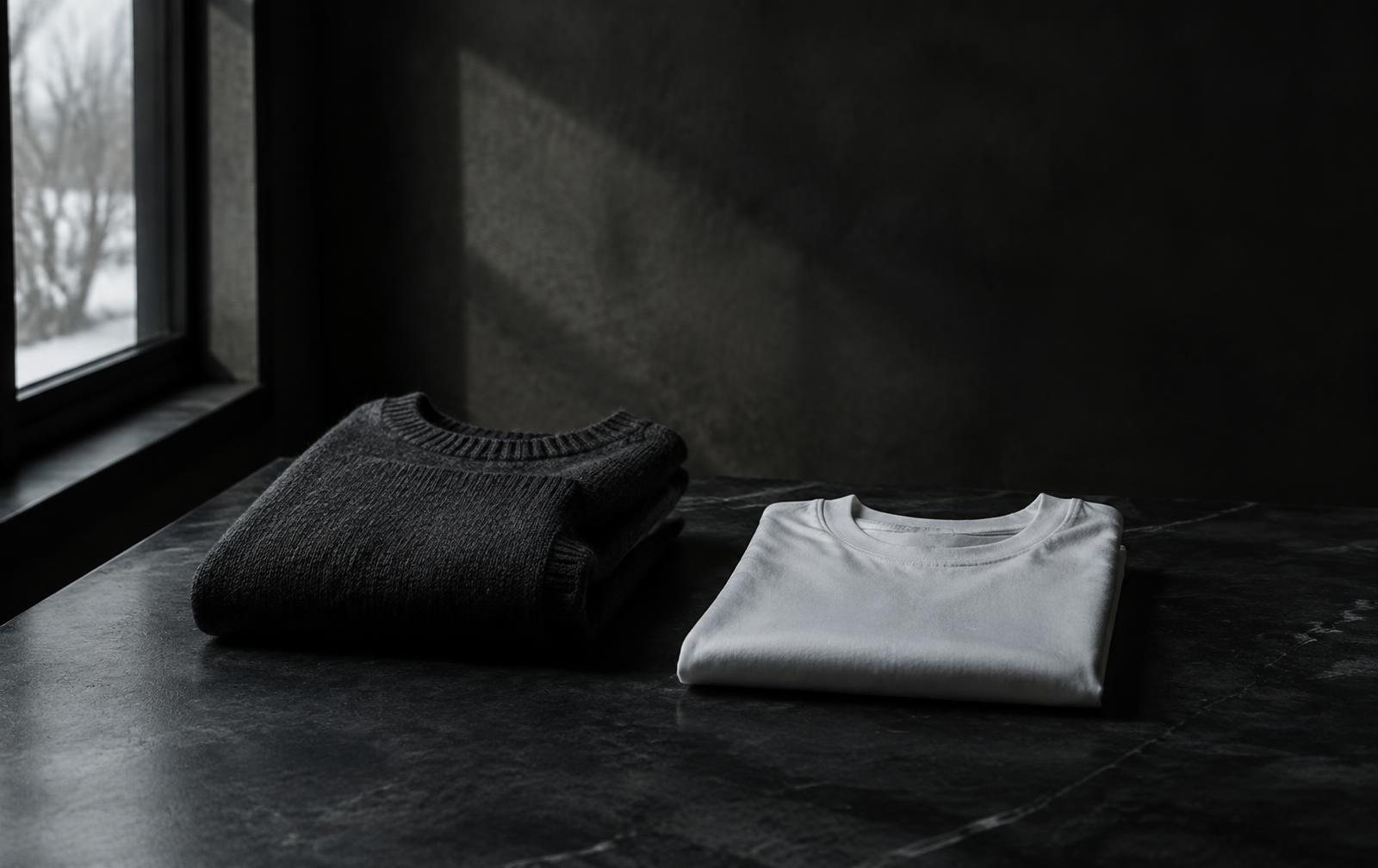
Wool and cotton are two of the most common natural fabrics in menswear.
Both are familiar.
Both are versatile.
Both can work well through autumn and winter.
But they do not behave in the same way.
When the temperature drops, those differences become much more important.
The better choice depends on what you are wearing, how cold it is, how active you are and what role the garment needs to play.
Wool and cotton solve different problems
Cotton is comfortable, familiar and easy to wear.
Wool is warmer, more insulating and usually better suited to colder conditions.
That does not make one better than the other.
It simply means they work differently.
A cotton T-shirt can be an excellent base layer.
A wool knit can provide warmth above it.
Cotton trousers can work perfectly well in mild weather.
Wool trousers can feel more appropriate once temperatures fall.
The question is not which fabric should win.
It is where each one works best.
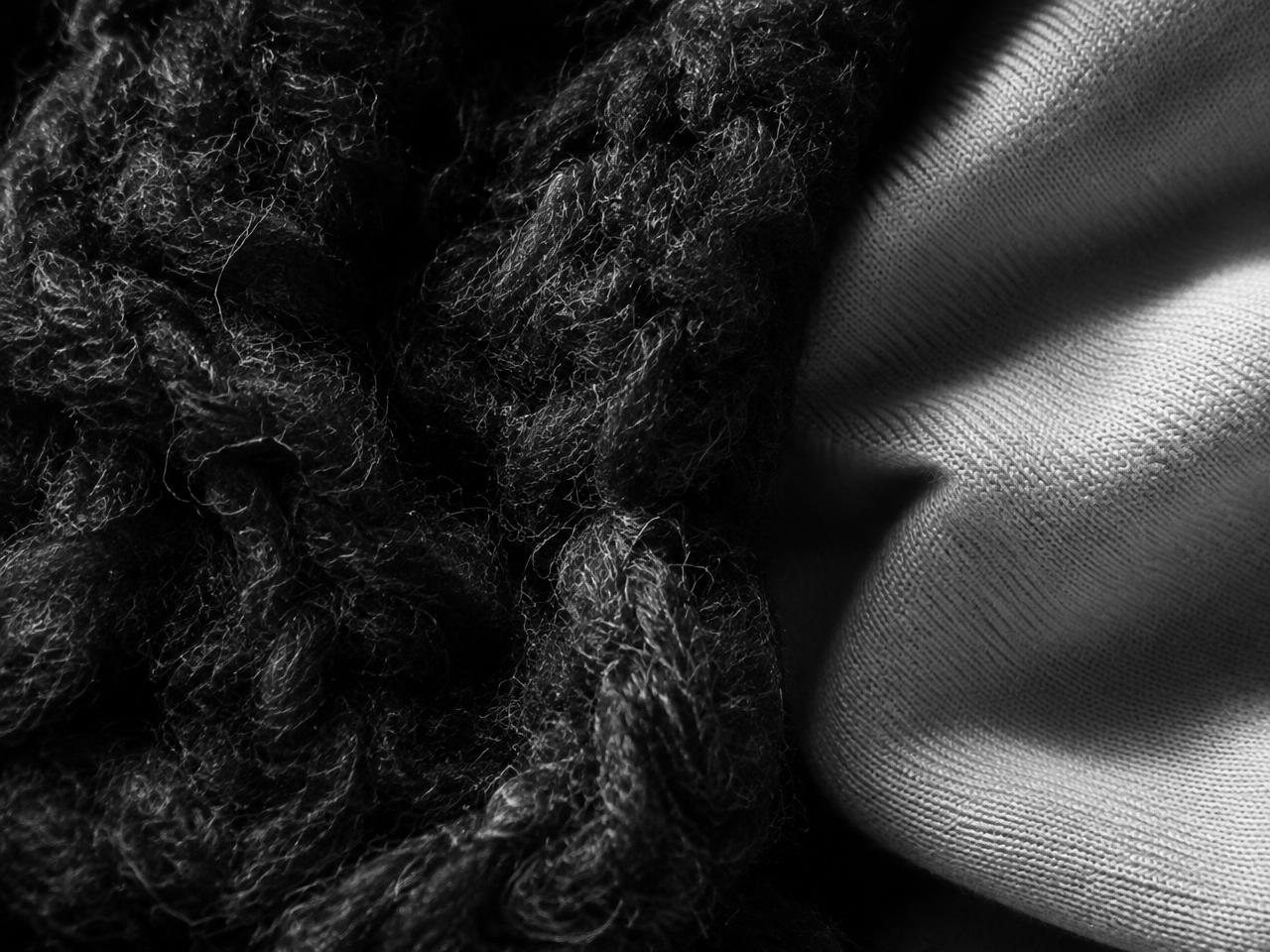
Why wool keeps you warm
Wool fibres naturally trap small pockets of air.
That helps create insulation.
The result is warmth without always requiring excessive thickness.
This is one reason wool appears so often in colder-weather clothing.
Knitwear.
Coats.
Trousers.
Scarves.
Jackets.
A relatively light wool garment can sometimes provide more warmth than a heavier cotton one.
That efficiency makes wool particularly useful when layering.
Wool can regulate temperature well
Warmth is only part of the story.
Good wool also adapts relatively well when temperatures change.
That matters because winter dressing rarely happens in one environment.
Cold street.
Warm office.
Public transport.
Restaurant.
Outside again.
A fabric that insulates without immediately becoming oppressive indoors is useful.
Fine wool and merino are especially effective here.
They provide warmth while remaining lighter and less bulky than many alternatives.
Cotton feels different
Cotton does not insulate in the same way.
Its strength lies elsewhere.
It is soft.
Comfortable.
Breathable.
Easy to wear directly against the skin.
That makes it an excellent choice for base layers and everyday clothing.
T-shirts.
Shirts.
Sweatshirts.
Lightweight trousers.
Cotton works particularly well in milder autumn weather, where full winter insulation is unnecessary.
Cotton can become cold when wet
One of cotton's limitations in colder weather is moisture.
Cotton absorbs water easily.
Once wet, it can take time to dry.
That becomes less comfortable when temperatures are low.
A damp cotton layer can quickly feel cold against the skin.
For normal everyday use, this may not matter much.
For long periods outdoors, walking in rain or high levels of activity, it becomes more relevant.
Wool generally handles moisture more effectively.

Wool can stay warm when damp
Wool fibres can absorb moisture while still retaining much of their insulating ability.
That is one reason wool has been used in cold climates for centuries.
It does not mean wool is waterproof.
It is not.
But it can remain more comfortable than cotton when conditions are damp.
For colder or unpredictable weather, that gives wool a practical advantage.
Cotton is easier to live with
Cotton usually wins on familiarity.
Most people already know how it behaves.
It is easy to wash.
Easy to layer.
Easy to combine.
It rarely requires much thought.
That matters.
Not every garment needs to be technically perfect.
Sometimes ease is more valuable.
A cotton sweatshirt may not insulate as efficiently as wool, but it can still be the piece you actually reach for most often.
Useful clothing needs to work in real life.
Wool does not have to feel heavy
Wool is often associated with thick jumpers and heavy coats.
That is only one version of it.
Fine merino wool can be extremely light.
Tropical wool can feel surprisingly breathable.
Lightweight wool trousers can work comfortably through autumn and early winter.
The fibre itself does not automatically determine how heavy the garment feels.
Construction matters.
Weight matters.
Weave matters.
As with cotton, the label only tells part of the story.
Merino wool changes the equation
Merino is particularly useful because it combines warmth with softness.
Traditional wool can sometimes feel coarse.
Merino tends to be finer.
That makes it easier to wear closer to the skin.
A fine merino knit can work over a T-shirt.
Under a jacket.
Beneath a coat.
On its own indoors.
It is one of the most flexible cold-weather fabrics because it adds warmth without adding much bulk.
For minimalist wardrobes, that versatility matters.
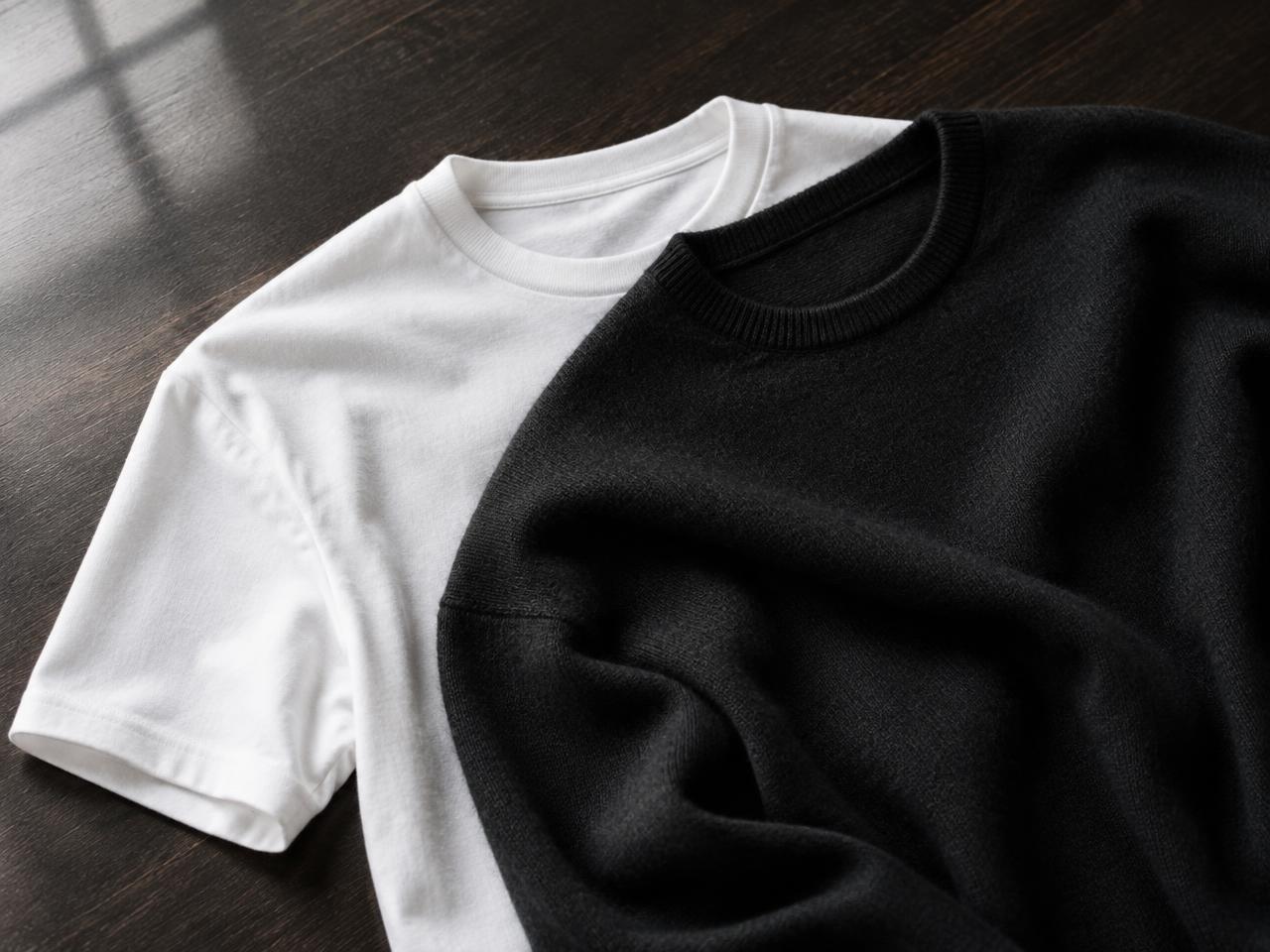
Cotton works well as a base
A good cotton T-shirt remains useful throughout winter.
It gives softness against the skin.
It provides a simple base.
And it creates separation between the body and heavier outer layers.
The key is not expecting the cotton to do all the insulating.
Think of it as the foundation.
The warmth comes from what sits above it.
T-shirt.
Knit.
Overshirt.
Jacket.
Each layer has a role.
Wool works better as the warming layer
This is where wool becomes most useful.
A fine knit.
A wool overshirt.
A heavier jacket.
A coat.
These layers sit further from the skin and can trap warmth more effectively.
You do not need several thick garments.
One good wool layer can often do more than multiple heavy cotton ones.
That keeps the outfit warmer without making it unnecessarily bulky.
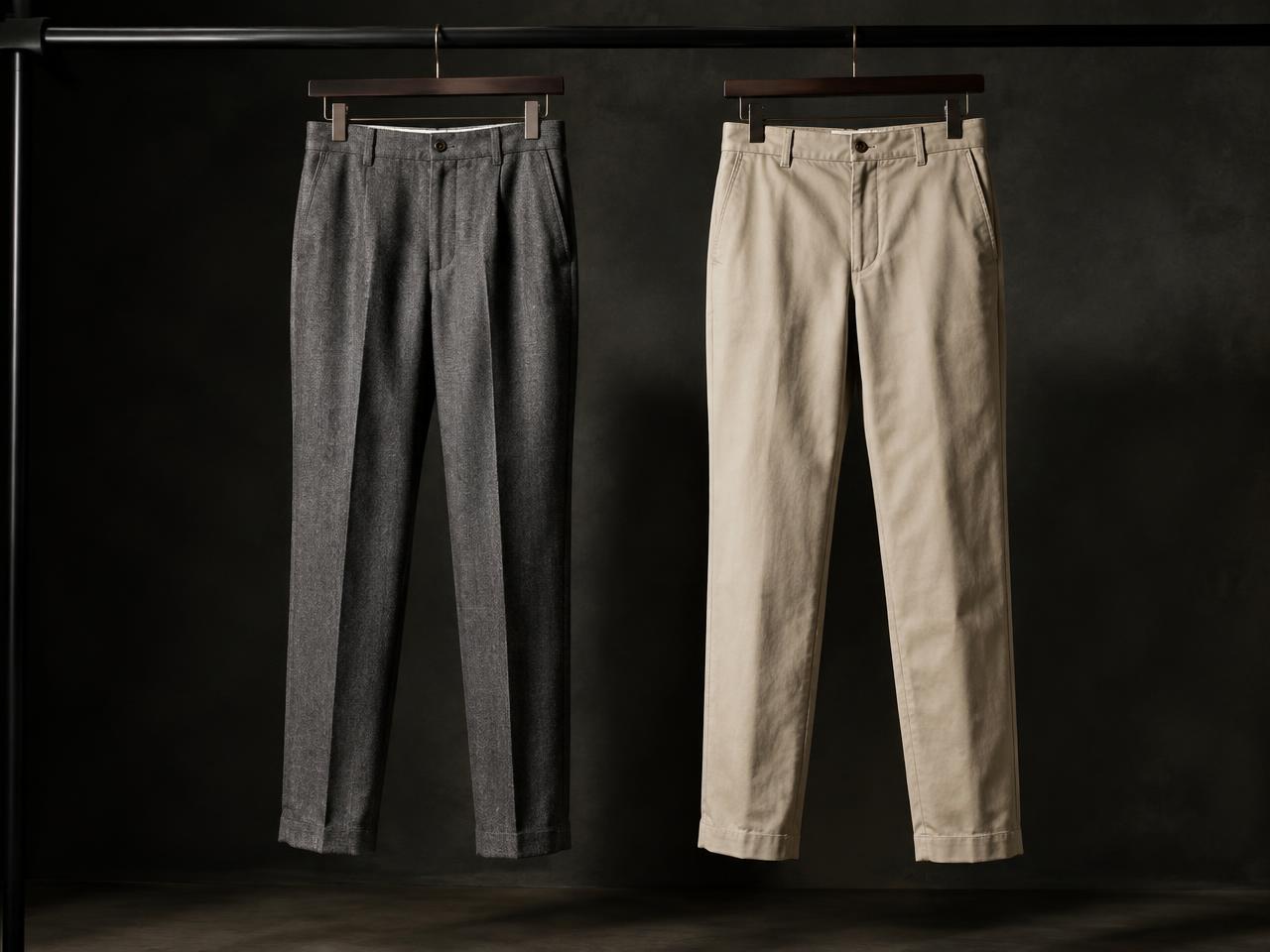
What about wool trousers?
Wool trousers are often underestimated outside formalwear.
They do not need to look like suit trousers.
A softer wool trouser can feel relaxed while offering more warmth than a lightweight cotton alternative.
They also drape differently.
The fabric tends to fall cleanly rather than collapse around the leg.
That gives wool trousers a slightly more refined appearance without making them formal.
For colder weather, they can be one of the easiest ways to add warmth without adding another layer above the waist.
Cotton trousers still have a place
Chinos.
Canvas trousers.
Denim.
Corduroy.
All are cotton-based options that work well in autumn and mild winter weather.
Their strength is durability and familiarity.
They often feel more casual.
More robust.
Less precious.
That makes them useful for everyday wear.
Again, the decision depends on climate.
A mild winter may not require wool trousers at all.
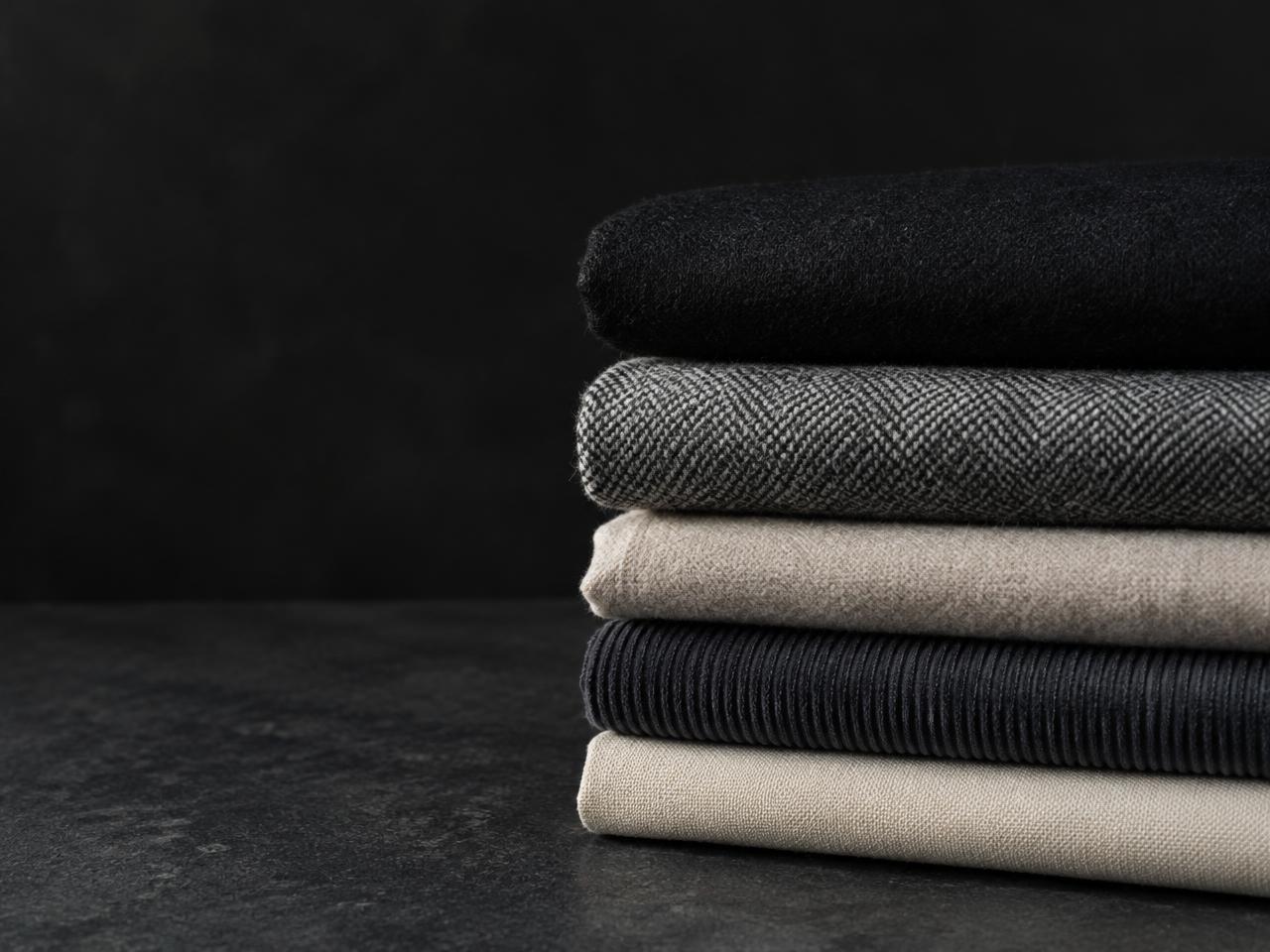
Texture becomes part of the decision
Wool and cotton create different visual effects.
Wool often feels softer or richer.
Cotton can feel cleaner or more structured.
Brushed wool.
Melton.
Merino.
Tweed.
Canvas.
Corduroy.
Brushed cotton.
The surface of the fabric changes the mood as much as the fibre itself.
This is especially useful in neutral wardrobes.
When colour stays restrained, texture can provide the variation.
Which is better for layering?
Both.
But for different layers.
Cotton works well closest to the body.
Wool works well above it.
A simple combination might be:
Cotton T-shirt.
Merino knit.
Wool overshirt.
Coat.
You do not need all four every day.
The point is that the fabrics complement each other.
Cotton provides comfort.
Wool provides insulation.
That combination usually makes more sense than trying to make one material do everything.
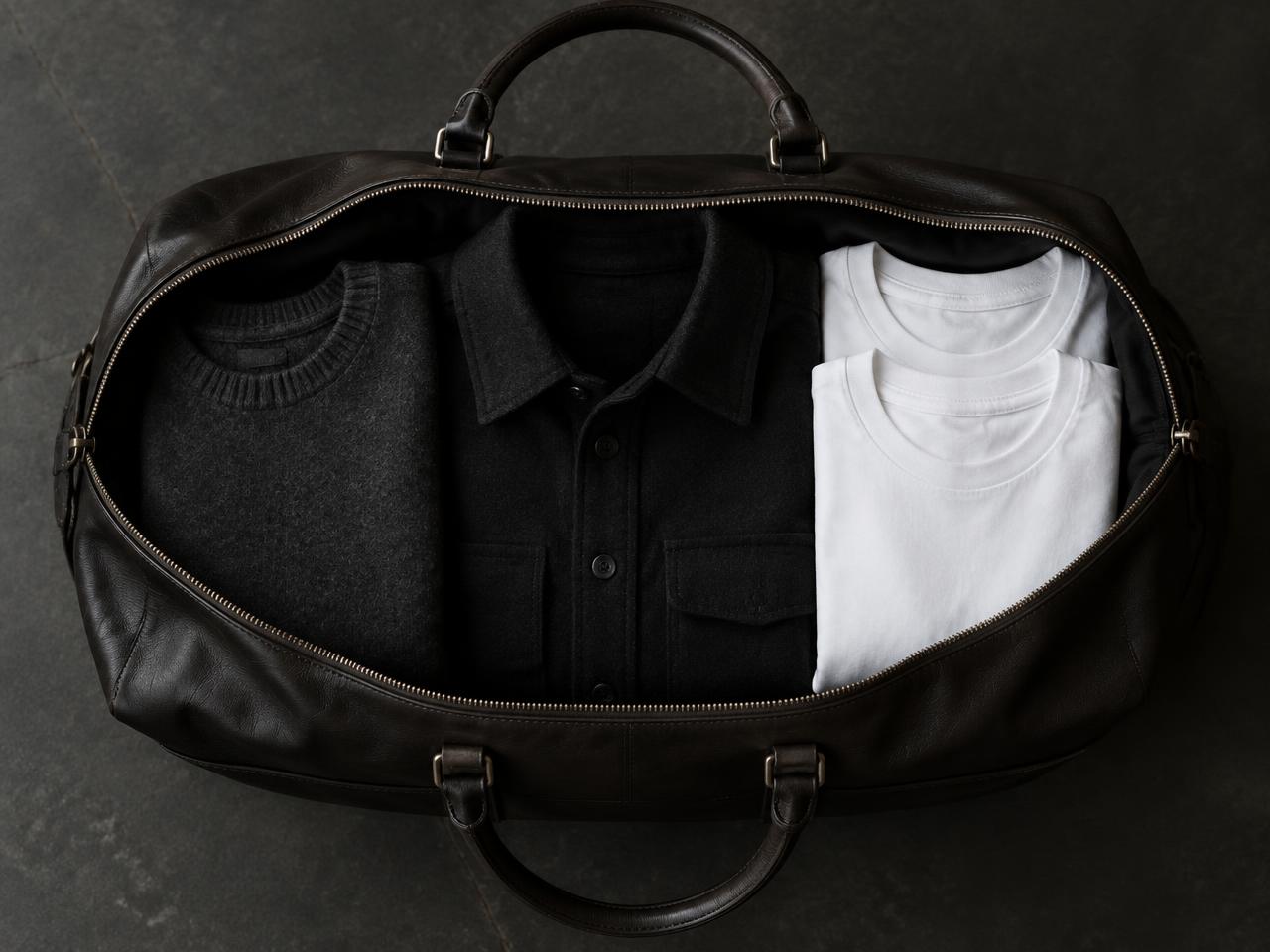
Which is better for travel?
It depends on the trip.
Cotton is familiar and easy.
Wool can offer more warmth with fewer pieces.
That makes fine wool useful when luggage space matters.
A merino knit can cover several situations.
A wool overshirt can replace a heavier jacket in mild conditions.
Cotton still provides the base.
The best travel wardrobe often combines both.
Fewer pieces.
More flexibility.
Which is easier to care for?
Usually cotton.
Cotton is generally more forgiving in the wash and less sensitive to heat or agitation.
Wool often requires more care.
Cooler washing.
Gentler cycles.
Air drying.
Sometimes hand washing.
That extra effort can make wool feel less convenient.
But it also depends on the garment.
Modern wool blends and washable merino can be much easier to manage than people expect.
Always check the actual care instructions.
Which lasts longer?
Both can last well.
Quality matters more than the fibre name.
Good wool can keep its shape for years.
Good cotton can soften beautifully through repeated wear.
Poor-quality versions of either can fail quickly.
Construction matters.
Stitching matters.
Fabric density matters.
Care matters.
A premium-sounding fibre does not guarantee a better garment.
So which is better for cold weather?
For warmth:
Wool.
For comfort against the skin:
Cotton.
For lightweight insulation:
Wool.
For easy everyday care:
Cotton.
For damp cold conditions:
Wool usually has the advantage.
For mild autumn weather:
Cotton may be all you need.
For layering:
Use both.
That is usually the strongest answer.
The best cold-weather wardrobe combines them
Cold-weather dressing does not need one perfect fabric.
It needs the right fabric in the right place.
Cotton can create the base.
Wool can provide the warmth.
One gives softness and familiarity.
The other gives insulation and depth.
Used together, they solve more than either can alone.
That is often what a good wardrobe comes down to.
Not choosing one side.
Choosing what works.
Use the fabric for the job.
More experience. Less excess.
You might also like

Wardrobe — November 2026
The Overshirt: Why One Layer Can Do So Much
Wardrobe — October 2026