
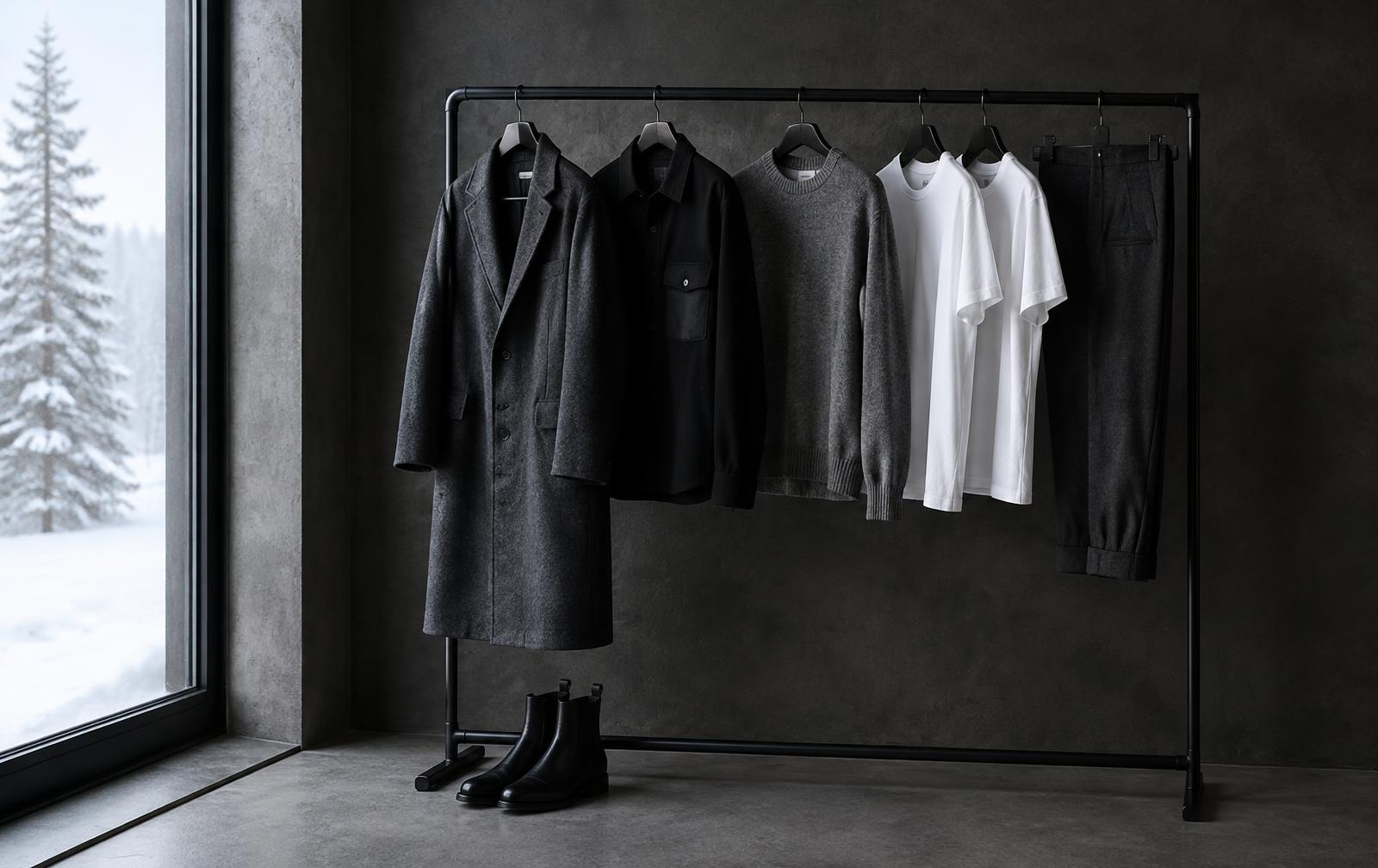
Winter has a way of making wardrobes expand.
Another coat.
Another knit.
Another pair of boots.
Another layer for colder days.
And suddenly, a season that should be simple starts feeling crowded.
The better approach is not to rebuild everything.
It is to adapt what already works.
A useful winter wardrobe should feel like an extension of autumn.
A little warmer.
A little heavier.
A little more considered.
Not completely different.
Start with what you already wear
Before buying anything, look at what is already working.
The T-shirts you repeat.
The trousers you always choose.
The overshirt you keep reaching for.
The shoes that work with almost everything.
Those pieces do not become irrelevant just because the temperature drops.
Winter usually requires additional warmth.
Not a completely new identity.
That distinction saves a lot of unnecessary buying.
Think in layers, not replacements
One of the easiest mistakes is replacing lighter clothes with heavier versions of everything.
Heavy shirt.
Heavy trousers.
Heavy knit.
Heavy jacket.
Heavy coat.
Very quickly, the outfit becomes uncomfortable.
Layering works better.
A cotton T-shirt.
A fine knit.
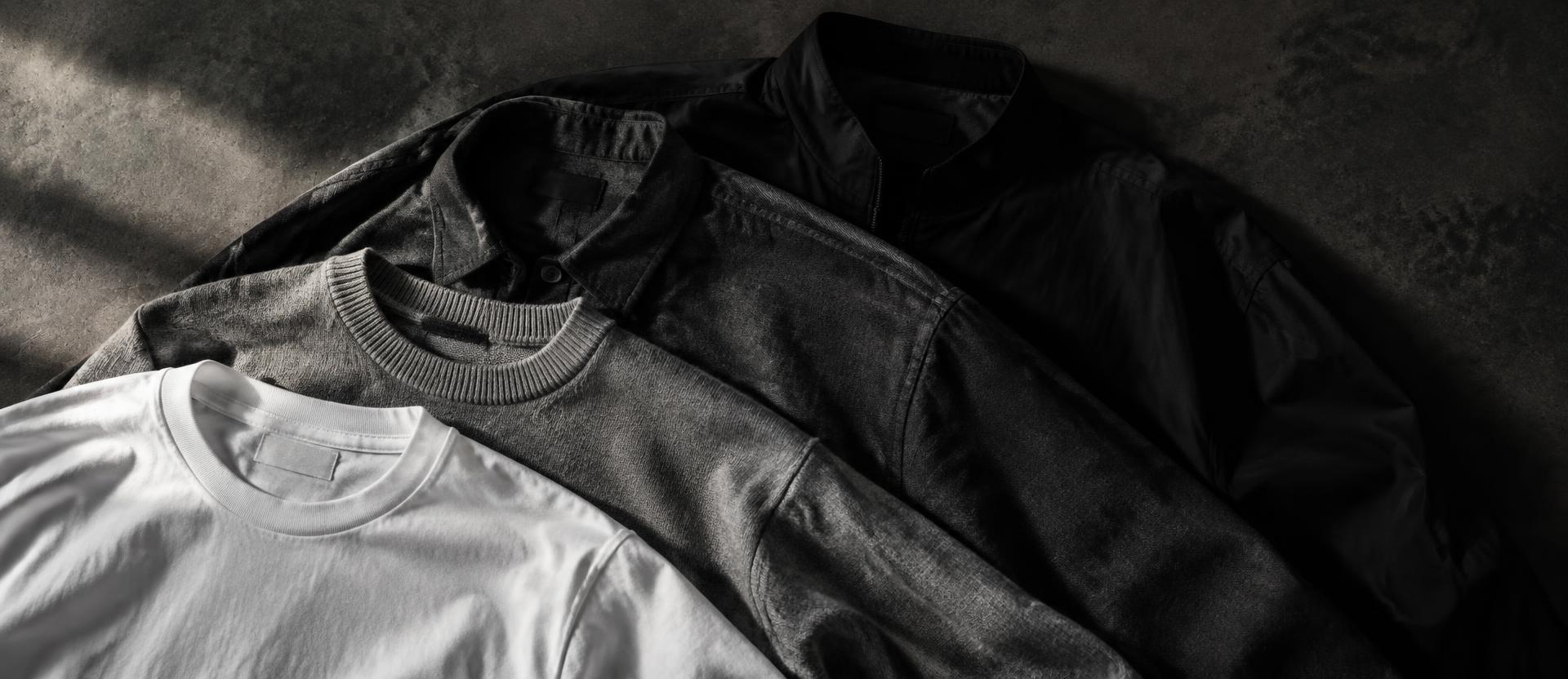
An overshirt.
A coat.
Each piece contributes something.
And each one can be removed when the environment changes.
That flexibility matters in winter.
Cold outside does not mean cold everywhere.
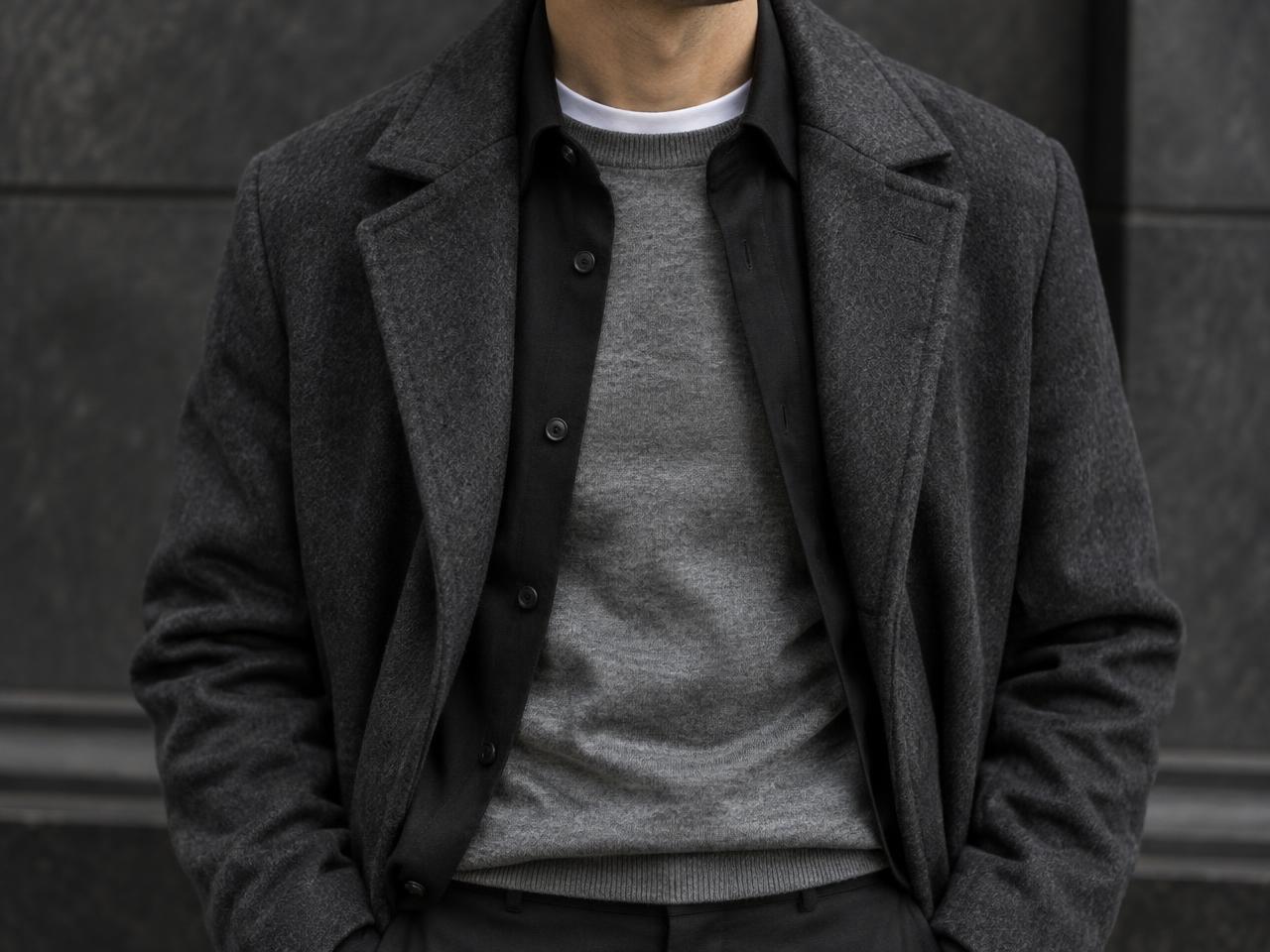
One good coat can do most of the work
Outerwear is where winter wardrobes become expensive.
It is also where they become unnecessarily large.
Most men do not need several coats serving almost the same purpose.
One strong everyday option can cover a lot.
A wool coat.
A simple parka.
A clean technical jacket.
A heavier overshirt in a milder climate.
The right choice depends on where you live and how you spend your time.
The important thing is versatility.
It should work with most of the wardrobe underneath it.
Buy for your climate
Winter does not mean the same thing everywhere.
Some places require serious insulation.
Others rarely get much colder than a mild autumn elsewhere.
That matters.
There is no point buying heavy knitwear, padded jackets and thick boots because winter clothing is being advertised if your climate does not require them.
Dress for the weather you actually experience.
Not the season as it appears in a campaign.
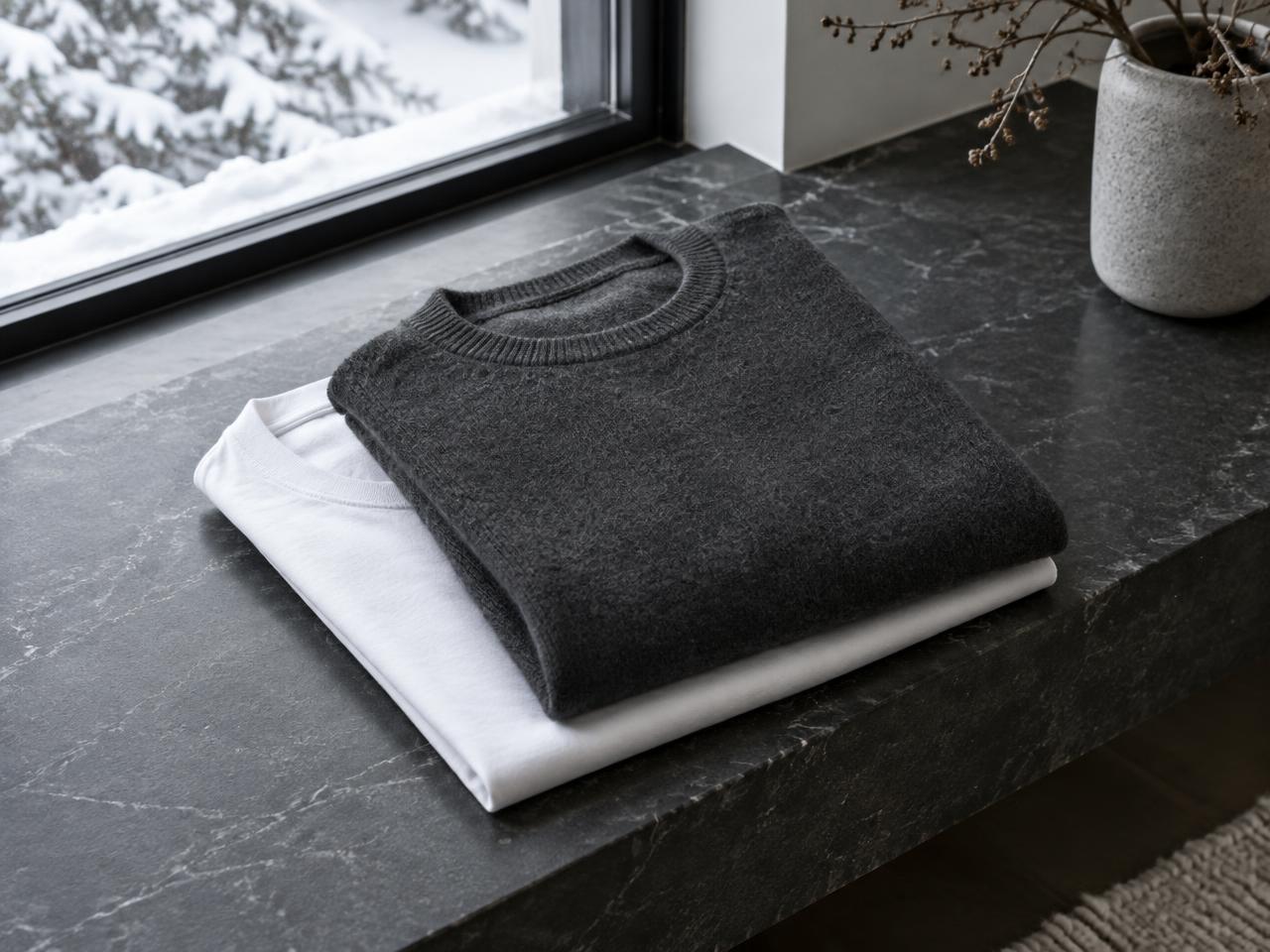
Add one good knit
Knitwear is one of the simplest ways to add warmth without changing the rest of the wardrobe.
One good piece can be enough.
Merino.
Lambswool.
Cotton knit.
A soft wool blend.
Choose something that works over a T-shirt and beneath a jacket or coat.
The colour should connect easily with what you already own.
Black.
Grey.
Navy.
Brown.
Stone.
Olive.
The knit should create warmth.
Not another wardrobe problem.
Do not underestimate the overshirt
The overshirt remains useful well into winter.
On milder days, it may be enough on its own.
When temperatures drop, it becomes a middle layer.
T-shirt.
Overshirt.
Coat.
Simple.
The piece you wore as outerwear in October becomes part of the layering system in December.
That is exactly what a smaller wardrobe should do.
Pieces change roles rather than disappear.
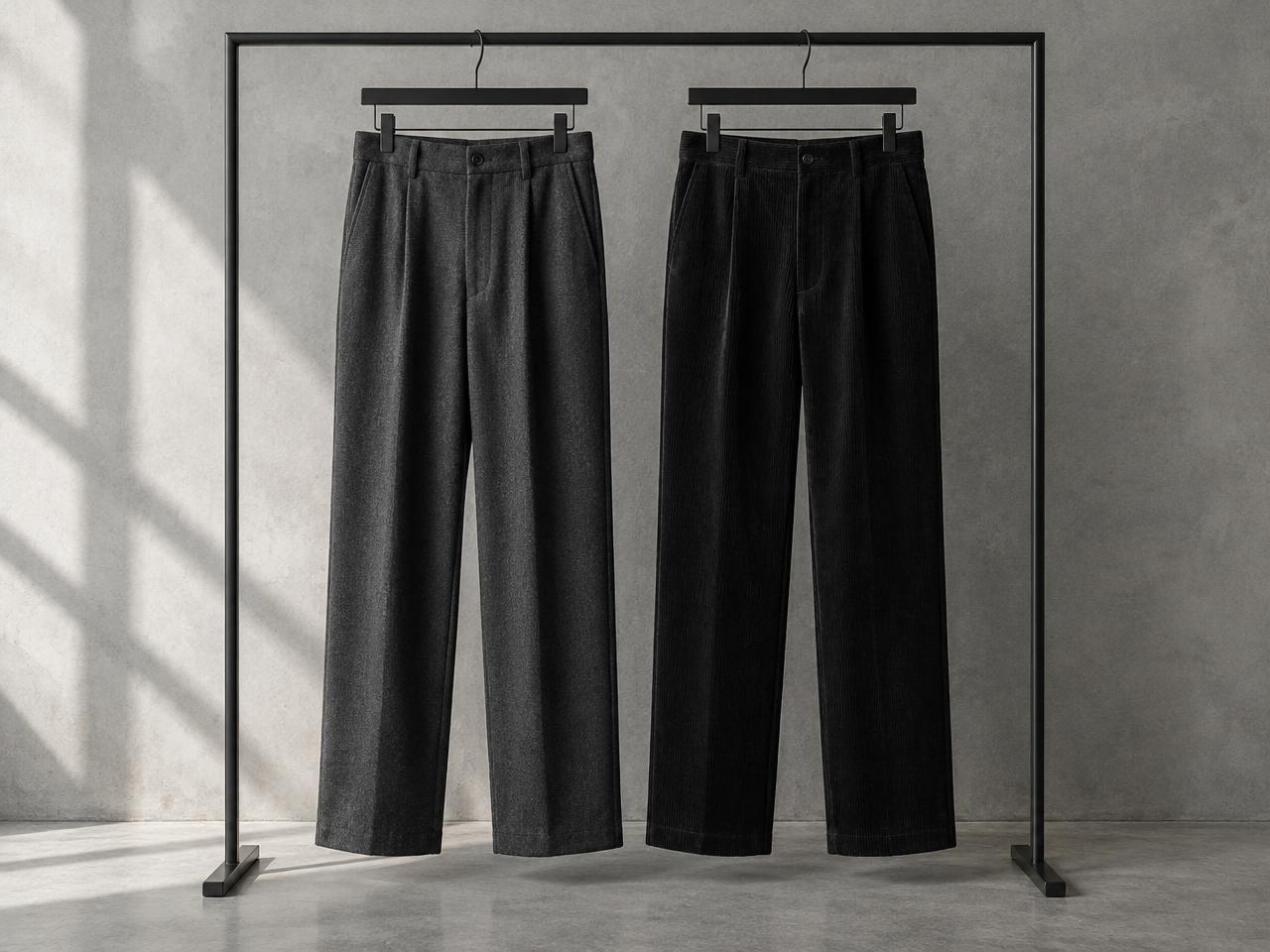
Keep trousers versatile
You probably do not need an entirely separate winter trouser collection.
Many autumn trousers continue working perfectly well.
Denim.
Corduroy.
Heavier cotton.
Wool.
Straight or relaxed trousers leave enough room to remain comfortable when the temperature drops.
If you add one winter-specific pair, make it solve a clear problem.
Perhaps more warmth.
Perhaps a smarter option.
Perhaps something better for rain.
Do not add it simply because the season changed.
Shoes should handle the weather
Winter footwear is more practical than decorative.
Rain.
Cold pavements.
Longer walks.
Wet streets.
That may mean adding one more substantial pair of shoes or boots.
But again, one useful pair is better than several highly specific ones.
Look for something comfortable enough to wear often and simple enough to work with most trousers.
The best winter shoe should not require you to plan the rest of the outfit around it.
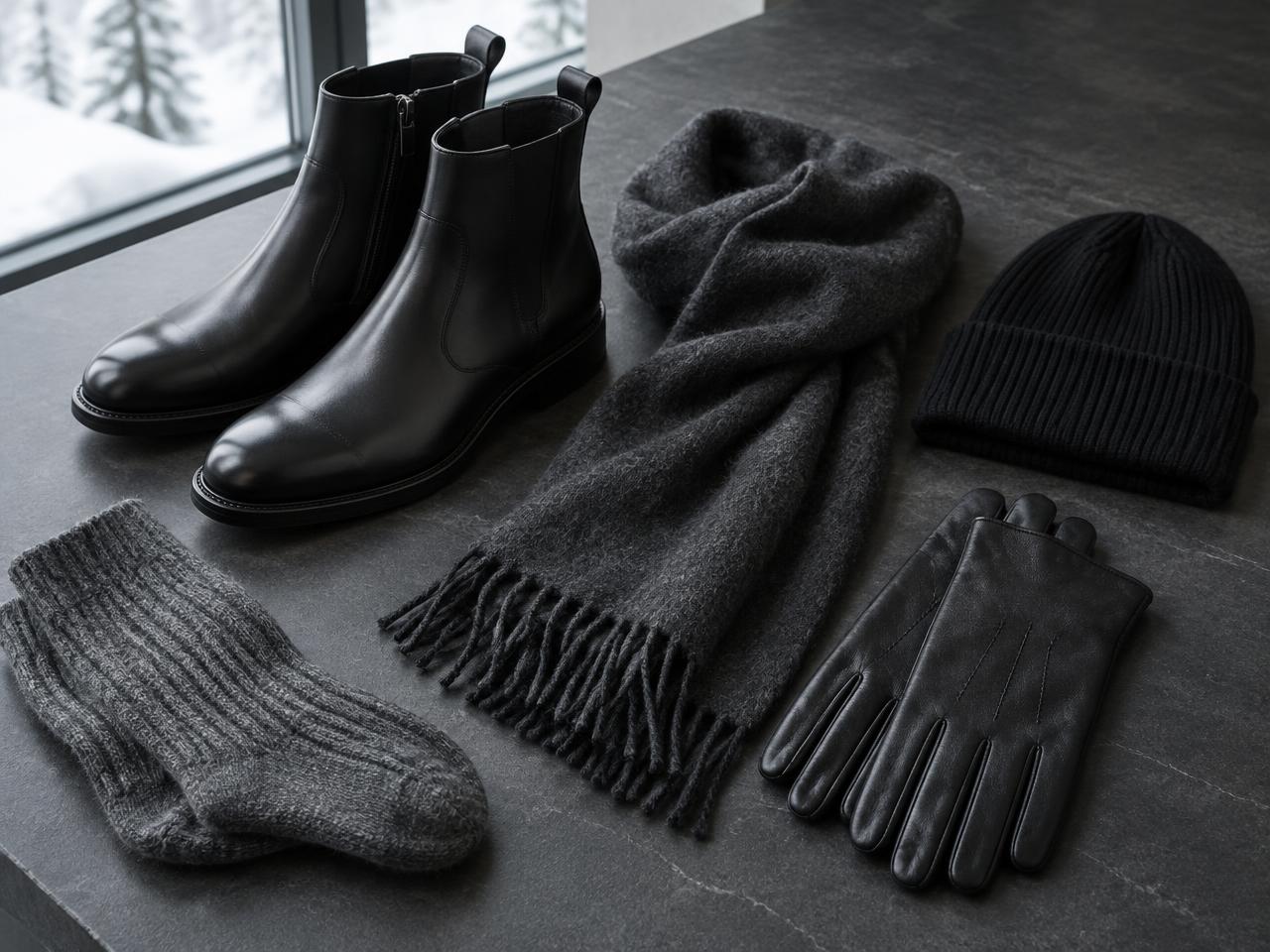
Use accessories for warmth
Sometimes the easiest way to make existing clothes work deeper into winter is not another jacket.
It is smaller things.
A scarf.
Gloves.
A beanie.
Thicker socks.
These pieces provide warmth exactly where it is needed.
They are also easier to remove.
That can make them more useful than another heavy layer.
A simple wardrobe becomes much more adaptable when the accessories are doing some of the work.
Keep the palette connected
Winter can easily create a wardrobe full of dark colours.
That is not necessarily a problem.
Black.
Charcoal.
Navy.
Brown.
Olive.
Grey.
They all work naturally through the season.
But a little contrast helps.
Cream.
Stone.
White.
A lighter grey.
These tones can stop winter outfits feeling too heavy.
The palette should remain simple enough that every new layer works with what sits beneath it.
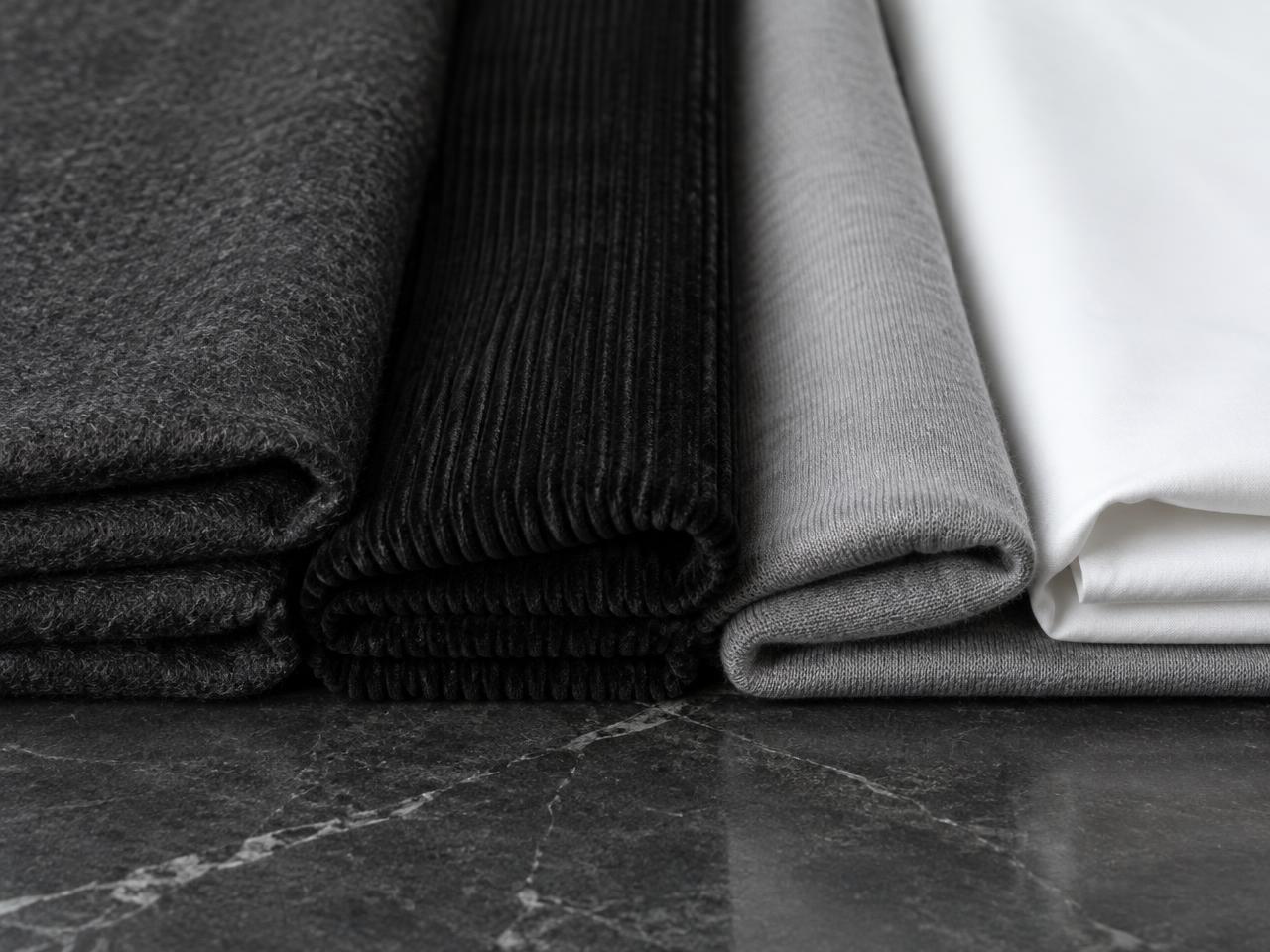
Use texture to create variety
Winter clothing gives you more texture to work with.
Wool.
Suede.
Corduroy.
Brushed cotton.
Heavy jersey.
Leather.
That means you do not need more colour or more pieces to create interest.
A wool coat over a cotton T-shirt already creates contrast.
Corduroy trousers with a smooth knit feel different again.
Texture makes a small winter wardrobe look more varied than it actually is.
Avoid buying duplicate layers
Winter makes duplication easy.
Two black coats.
Three grey knits.
Several overshirts with almost the same weight.
Multiple pairs of boots serving the same purpose.
Before buying something, compare it with what you already own.
Does it solve a different problem?
Does it offer a different weight?
A different function?
A different level of formality?
If not, you may simply be buying the same thing again.
Build around combinations
A useful winter wardrobe is not a collection of individual outfits.
It is a group of compatible pieces.
The coat works with both trousers.
The knit works beneath the overshirt or jacket.
The shoes work with everything.
The T-shirts remain useful underneath all of it.
That compatibility gives you more combinations without requiring more clothes.
It also makes mornings easier.
A simple winter wardrobe
A compact winter wardrobe might include:
4 T-shirts
2 shirts
1 overshirt
2 knits
2 pairs of trousers
1 everyday coat or winter jacket
1 lighter jacket
2 pairs of shoes
A scarf
Gloves
A simple winter hat if needed
That is not a rule.
Some climates need more.
Some need considerably less.
The point is that winter does not automatically require a huge wardrobe.
Replace only when something stops working
Seasonal marketing often encourages us to think in resets.
New season.
New wardrobe.
But good clothes should move across years.
A coat can return every winter.
The same knit can remain useful.
The same boots can develop character.
You only need to replace something when it no longer works.
The fit has changed.
The fabric is finished.
The garment is damaged beyond useful repair.
Or your life genuinely requires something different.
The calendar alone is not a reason.
Buy one thing at a time
If there are gaps in the wardrobe, solve them slowly.
Do you need warmth?
Start with a knit.
Do you need better protection from rain?
Look at outerwear.
Are your everyday shoes not coping with winter?
Fix that next.
Buying slowly makes it easier to see whether each addition actually helped.
A winter wardrobe should evolve through use.
Not arrive in one shopping bag.
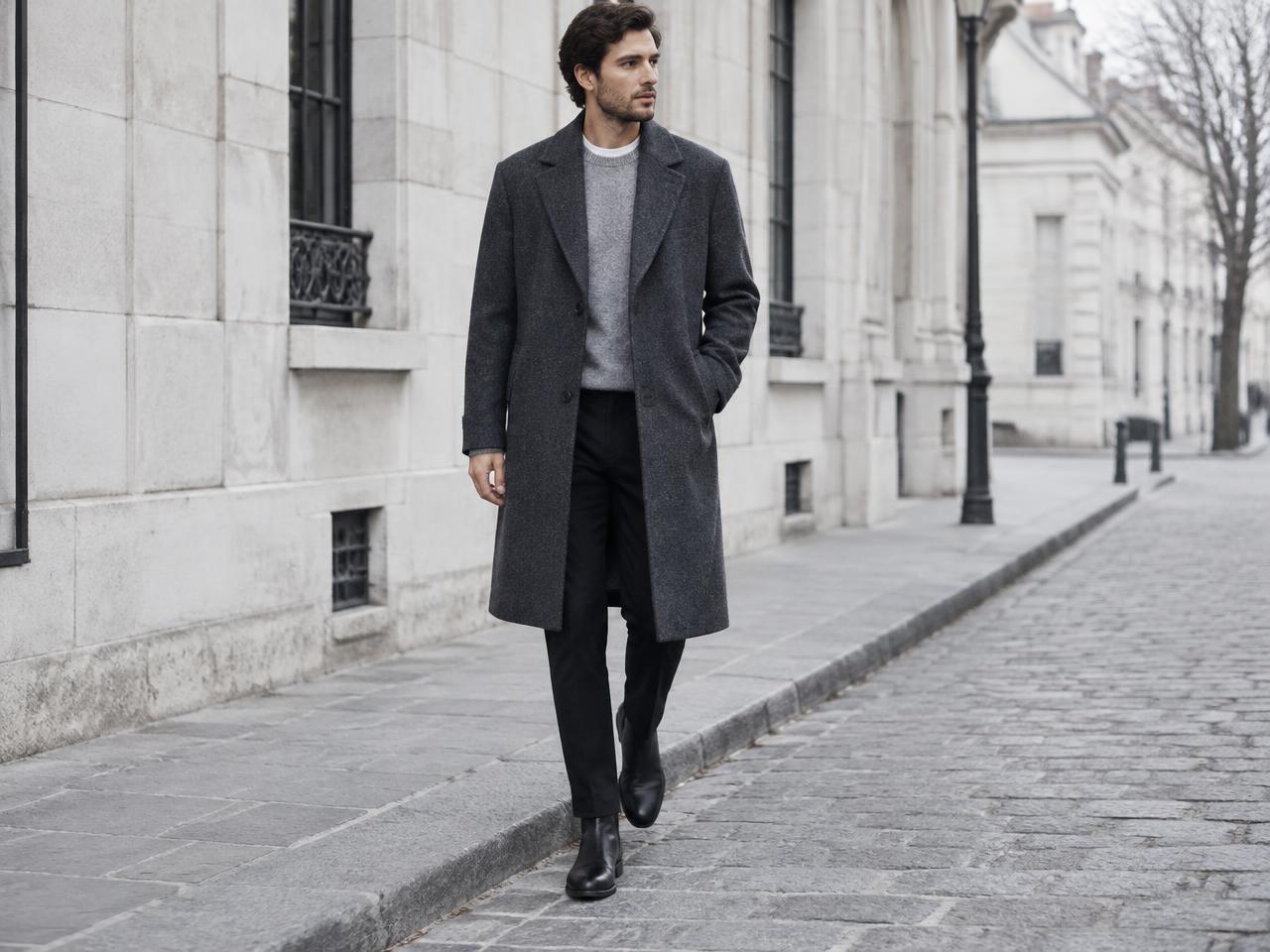
Wear the same coat
You are allowed to wear the same coat most days.
In fact, a good winter coat probably should be worn most days.
Outerwear does not need endless rotation.
It needs to work.
The same applies to boots.
Knitwear.
Trousers.
Repetition is one of the reasons buying better pieces makes sense.
They get used.
Winter should make the wardrobe more focused
Cold weather introduces more clothing.
That does not mean it needs to introduce more noise.
Start with what already works.
Layer instead of replacing.
Add warmth where it is genuinely needed.
Buy slowly.
Repeat often.
Let a small number of reliable pieces carry most of the season.
Winter does not require more for the sake of more.
It requires better preparation.
Add warmth. Not excess.
More experience. Less excess.
You might also like
Material — November 2026
Wool vs Cotton: Which Is Better for Cold Weather?
Wardrobe — October 2026