
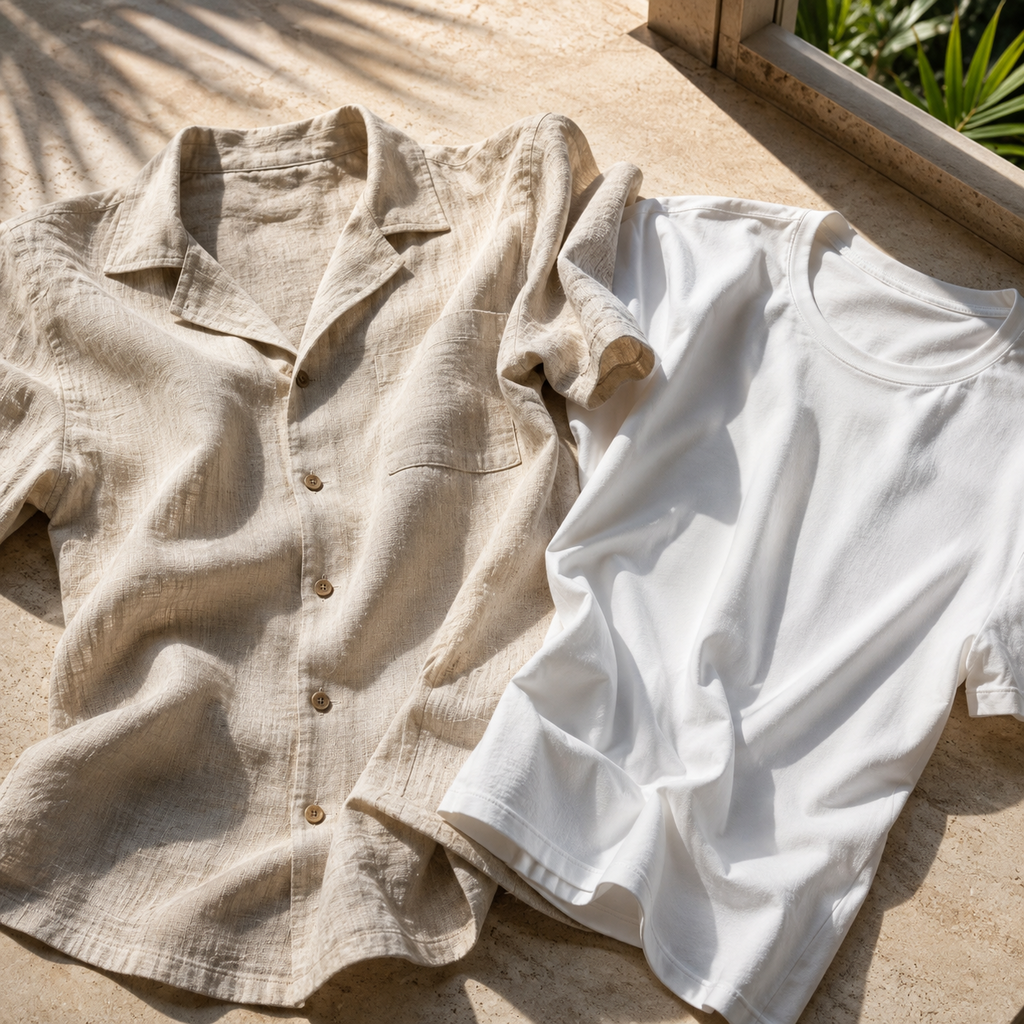
Linen and cotton are two of the most familiar fabrics in summer clothing.
Both are natural fibres.
Both can be breathable.
Both can work well in warm climates.
But they do not behave in exactly the same way.
In hot and humid weather, those differences become much easier to notice.
The better choice depends less on which fabric is "best" and more on what you are wearing, where you are wearing it and how you want it to feel.
Linen and cotton are not interchangeable
At first glance, the choice can seem simple.
Linen is for summer.
Cotton is for everything else.
In reality, there is much more overlap.
A lightweight cotton shirt can feel excellent in warm weather.
A heavy linen garment can still feel substantial.
Fabric weight, weave, construction and fit all influence how comfortable something feels.
But as a general rule, linen tends to feel lighter and airier, while cotton tends to feel softer and more familiar.
That creates different strengths.
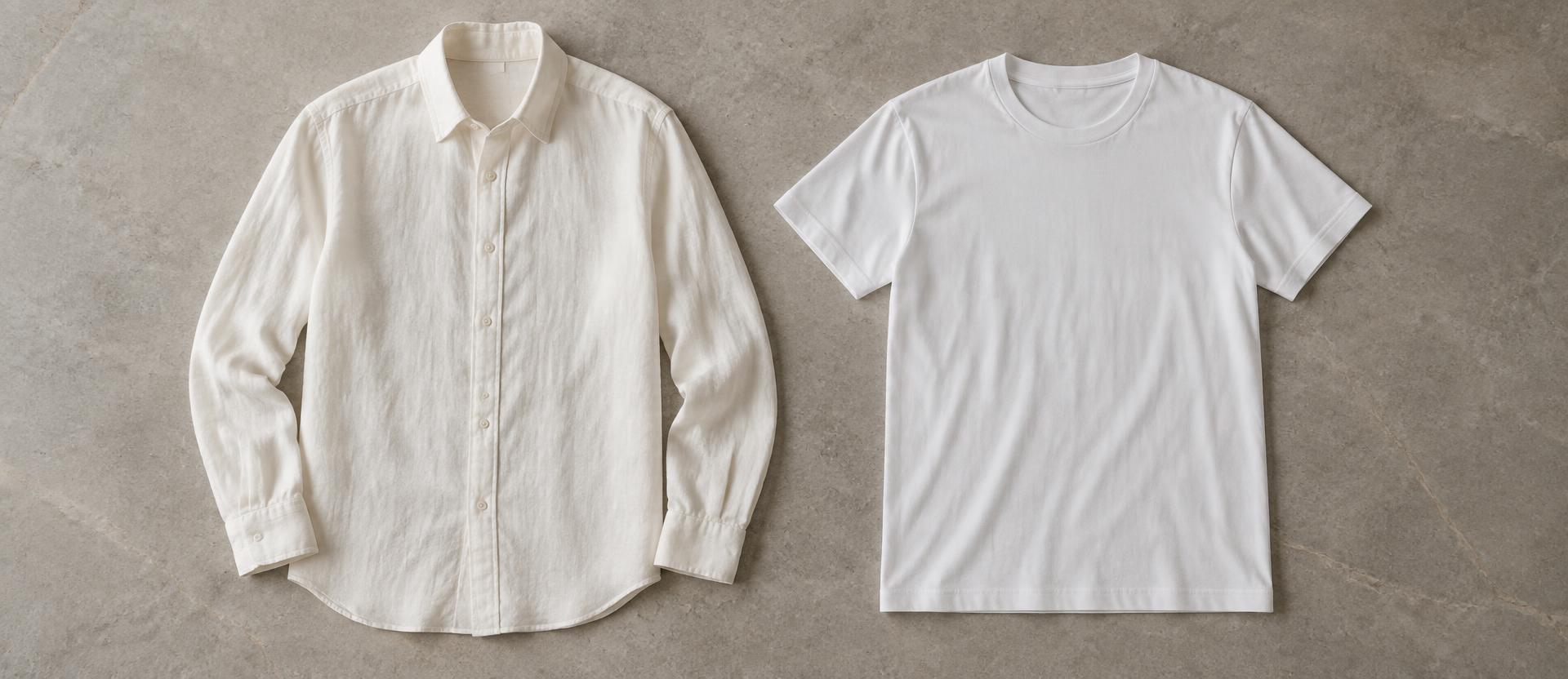
Why linen works so well in heat
Linen is made from fibres taken from the flax plant.
Its structure naturally lends itself to warm-weather clothing.
The fabric often feels slightly crisp rather than soft against the body, and it tends to hold itself away from the skin rather than clinging closely.
That small amount of space can be valuable in heat.
Air is able to move more freely around the body and the garment feels less restrictive when temperatures rise.
Linen also absorbs moisture well and can dry relatively quickly.
In humid conditions, where sweat evaporates more slowly, that combination can make it particularly comfortable.
Linen feels relaxed for a reason
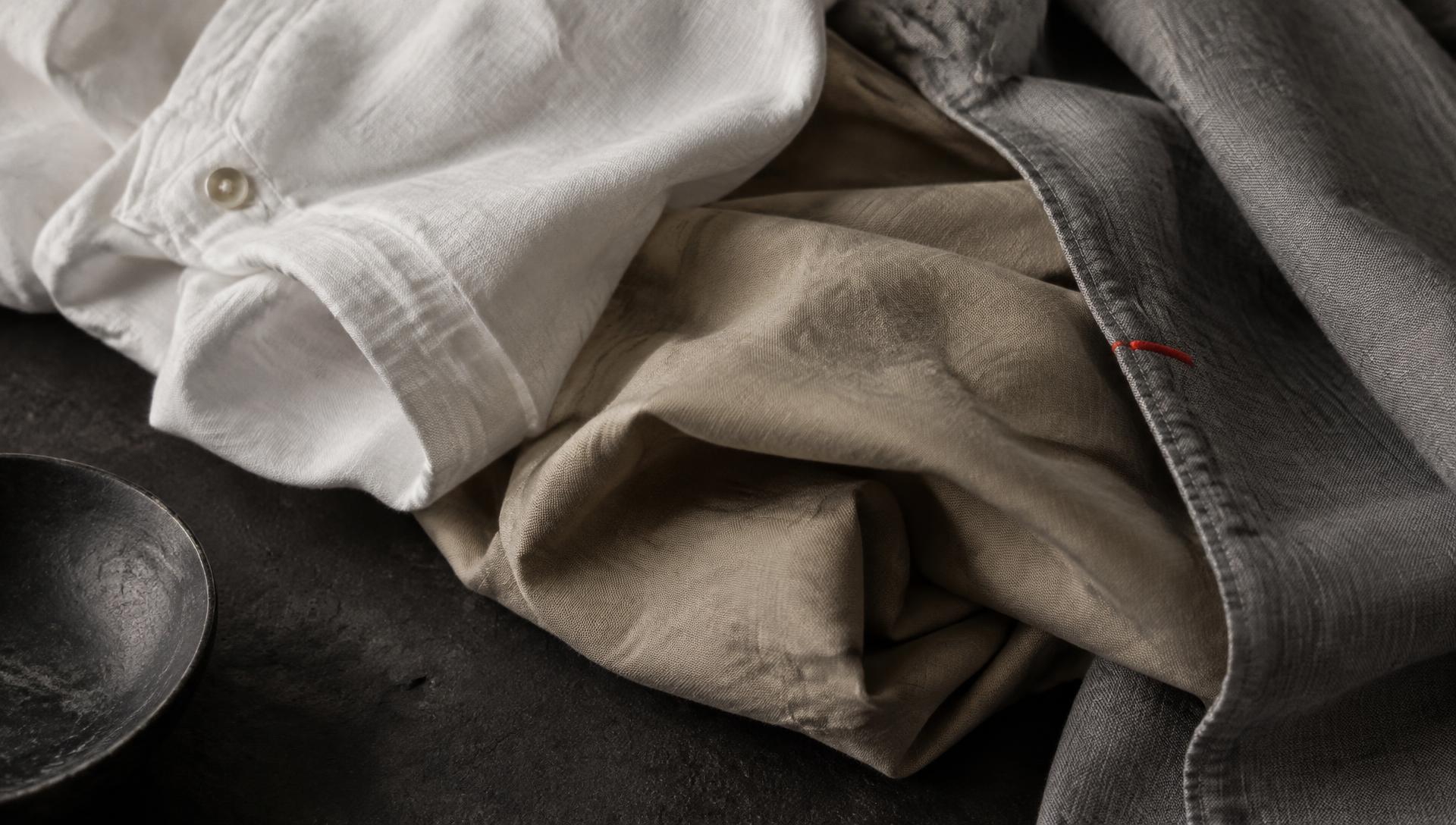
One of linen's defining characteristics is the way it creases.
For some people, that is the drawback.
For others, it is the point.
A linen shirt rarely looks exactly the same at the end of the day as it did when it was first put on.
The elbows soften.
The fabric folds.
The surface develops texture.
In the right setting, that gives linen character.
It works particularly well when the rest of the clothing is simple and understated.
A linen shirt does not need much decoration because the fabric itself already has visual interest.
The challenge is accepting that it will never behave like a perfectly pressed formal shirt.
It is not supposed to.
Why cotton remains so versatile
Cotton is softer, smoother and generally easier to live with.
It is also incredibly varied.
A lightweight cotton T-shirt and a heavyweight cotton sweatshirt may share the same fibre, but they perform completely differently.
For summer, weight becomes critical.
Fine cotton fabrics can feel light, breathable and comfortable even in considerable heat.
Cotton also tends to feel softer immediately, which makes it particularly well suited to clothing worn directly against the skin.
That is one reason it remains such a strong choice for T-shirts.
A well-made lightweight cotton T-shirt can provide enough structure to hold its shape while remaining comfortable through warmer weather.
Which is more breathable?
In general, linen has the advantage.
Its fibres and typical weave allow air to pass through easily, especially when the fabric is lightly constructed.
That makes linen particularly useful for shirts, trousers and other pieces where a little more airflow makes a noticeable difference.
Cotton can also be highly breathable, but the result depends heavily on the fabric.
A loose, lightweight cotton weave may perform extremely well.
A dense heavyweight cotton will not.
So while linen is often the safer choice for maximum breathability, it is still important to look at the garment rather than simply reading the fibre label.
Which handles humidity better?
This is where linen usually becomes especially useful.
Humidity changes the experience of heat because moisture evaporates from the skin more slowly.
Clothing can begin to feel damp and heavy.
Linen tends to cope well because it absorbs moisture without immediately feeling saturated and can release it relatively efficiently.
It also tends to cling less closely to the body when damp.
Cotton absorbs moisture very effectively too, but some cotton fabrics can remain wet for longer.
That is not necessarily a problem for everyday clothing, but it can become noticeable during long walks or particularly humid days.
For environments such as Hong Kong in summer, linen often has the practical edge.

Which is softer?
Cotton.
At least initially.
Cotton fibres generally produce a smoother, softer hand feel.
That makes cotton particularly comfortable for T-shirts, underwear and clothing that sits directly against the skin for long periods.
Linen tends to begin life slightly crisper.
Good linen becomes softer through washing and wear, which is part of its appeal.
A linen shirt can gradually become more comfortable the longer you own it.
That gives the fabric a different relationship with time.
Cotton often feels familiar immediately.
Linen tends to settle in.
Which looks smarter?
It depends on what you mean by smart.
Cotton usually provides a cleaner, more controlled appearance.
A cotton shirt can hold sharper lines and remain more polished throughout the day.
Linen looks more relaxed.
Even a beautifully made linen shirt will usually crease and soften with wear.
For formal environments, cotton may therefore be easier.
For warm-weather smart casual dressing, however, linen can be ideal.
The creasing makes the garment feel less rigid while the shirt itself still provides structure.
It is a useful middle ground between dressing up and dressing down.
Linen for shirts
If the priority is staying comfortable in heat, linen becomes difficult to ignore.
A lightweight linen shirt works because it provides coverage without feeling overly substantial.
It can be worn buttoned on its own.
Open over a T-shirt.
Sleeves down.
Sleeves rolled.
During the day.
Into the evening.
Its versatility is one of its strongest qualities.
The fabric also suits slightly easier silhouettes, which gives air more space to circulate.
In a humid climate, that is not simply an aesthetic choice.
It is functional.
Cotton for T-shirts
For T-shirts, cotton remains the more natural choice.
A T-shirt sits closely against the body, so softness matters.
Cotton also provides enough stability to keep the neckline, sleeves and overall silhouette looking clean.
The key is avoiding unnecessary weight.
Heavyweight T-shirts have become popular because of their substantial feel and structured appearance, but that does not automatically make them appropriate for summer.
In a hot climate, lighter cotton can often be the better fabric.
The best T-shirt does not need to feel heavy to feel well made.
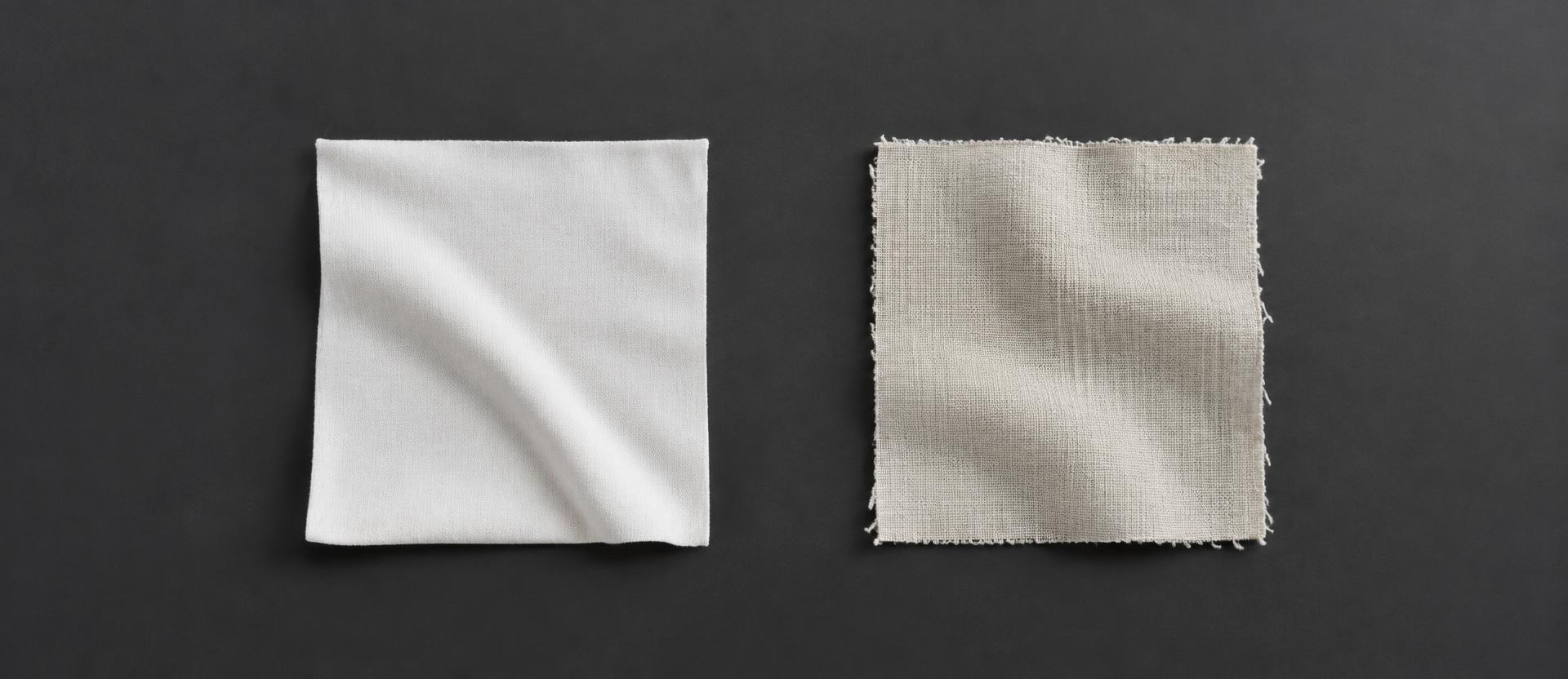
What about linen T-shirts?
They exist, and they can work well.
But they feel different.
Linen T-shirts tend to have more texture and a looser, less uniform appearance.
For someone looking for an especially relaxed summer garment, that can be appealing.
For a cleaner, more consistent silhouette, cotton is usually easier.
Again, neither is universally better.
They simply solve different problems.
Linen-cotton blends
There is also a third option.
Blending linen and cotton can bring together some of the strengths of both.
Linen contributes breathability, texture and lightness.
Cotton adds softness, stability and familiarity.
The result often feels less crisp than pure linen and less smooth than pure cotton.
That middle ground can be particularly useful for shirts.
A linen-cotton blend may crease less aggressively while still retaining much of the relaxed character that makes linen appealing.
For someone unsure about pure linen, it can be a good introduction.
Linen vs cotton for travel
Travel adds another consideration.
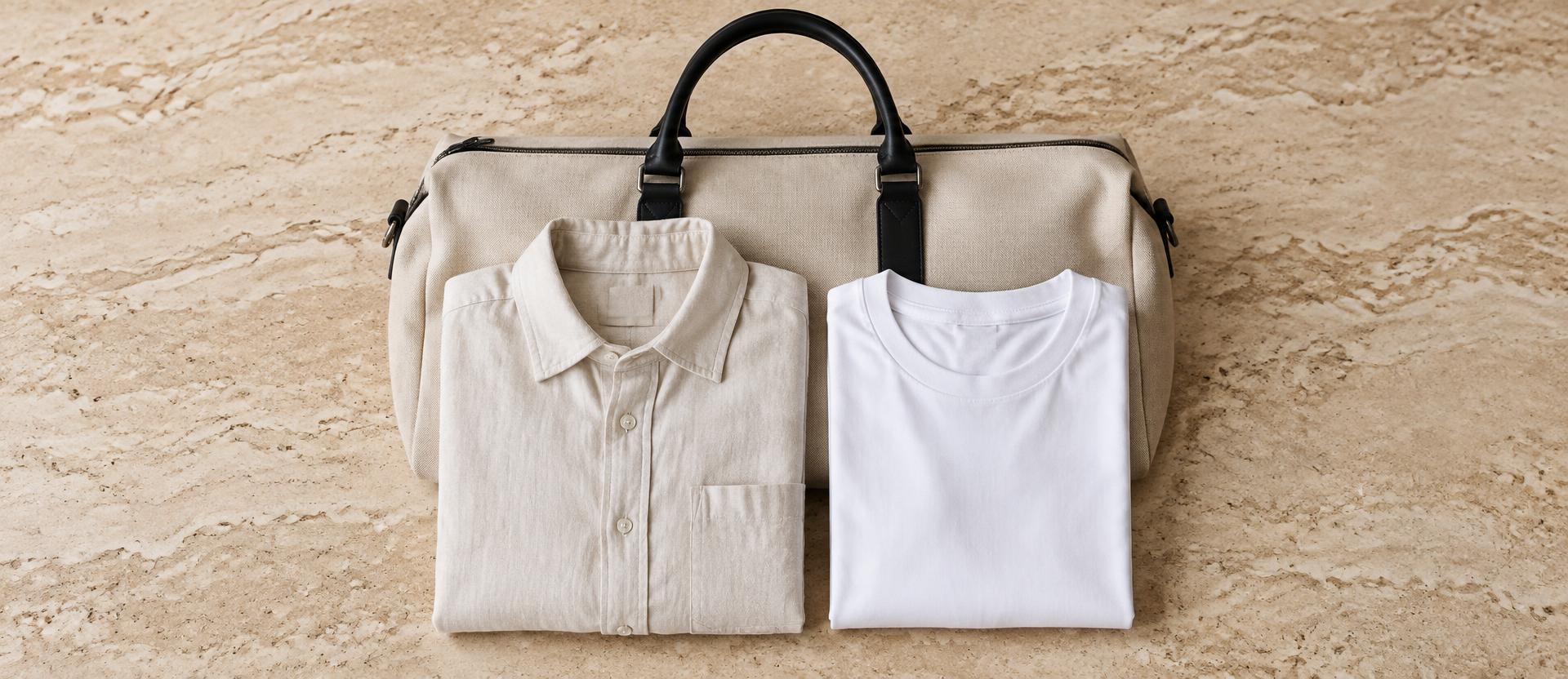
Cotton is generally easier to fold, wash and wear without much thought.
Linen will crease almost immediately.
If you expect clothing to look perfectly pressed throughout a trip, linen can be frustrating.
But if you accept the creasing, it becomes surprisingly practical.
Linen is lightweight, easy to layer and particularly useful when travelling somewhere hot.
The question becomes less about preventing wrinkles and more about whether wrinkles actually matter.
Often, they do not.
Which lasts longer?
Both fabrics can last for years when they are well made and properly cared for.
Linen fibres are naturally strong and often become softer with repeated washing.
Cotton is also durable, although longevity varies enormously depending on the quality and weight of the fabric.
Construction matters just as much as fibre.
Seams.
Stitching.
Finishing.
How the garment is washed.
How often it is worn.
A poorly made linen shirt will not automatically outlast a good cotton one simply because it is linen.
Buy the garment, not just the material.
So which should you choose?
For maximum airflow in hot and humid conditions:
Linen.
For softness and everyday versatility:
Cotton.
For summer shirts:
Linen or a linen-cotton blend.
For T-shirts:
Lightweight cotton.
For a cleaner, more polished appearance:
Cotton.
For relaxed warm-weather dressing:
Linen.
The most useful summer wardrobe probably includes both.
There is no reason to force one fabric to do everything.
The better question
Linen versus cotton sounds like a competition.
It does not need to be.
The more useful question is:
What does this garment need to do?
A T-shirt needs softness, structure and comfort against the body.
A summer shirt benefits from airflow, lightness and ease.
Different materials answer different needs.
That is ultimately what good warm-weather clothing comes down to.
Not choosing a fabric because it sounds premium.
Choosing it because it belongs there.
Less unnecessary weight. More room to move.
More experience. Less excess.
You might also like
Material — July 2026
The Best Fabrics for Hot and Humid Weather

Guide — June 2026