The Care Guide / 01
Before You Wash
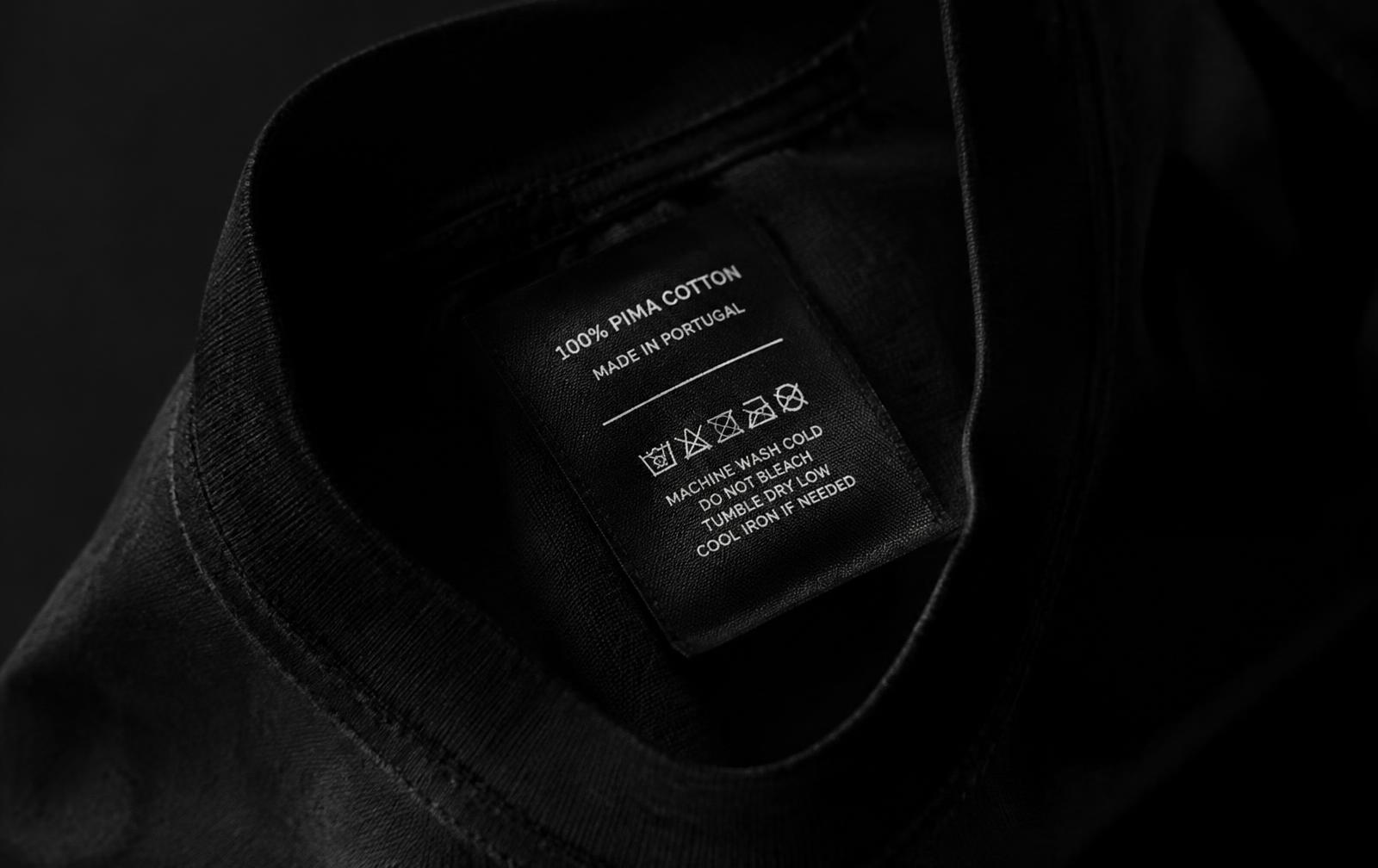
Check the care label, then give the garment a once-over. A shirt worn for a quiet evening may only need some air. A coffee splash on the cuff calls for a different approach.
I
Air it
If the garment is dry, smells fresh and has no visible marks, give it some space before putting it away. Hang a woven shirt with the collar open. Lay heavier knitwear flat so the shoulders keep their shape.
II
Treat a small mark
For a fresh spill on washable fabric, blot gently with a clean white cloth. Work from the edge towards the centre to keep the mark from spreading. If you use a stain treatment, test it on an inside seam first. For dry-clean-only pieces, blot away excess liquid and leave treatment to a professional cleaner.
III
Wash it
After a hot commute or a full day against the skin, check the collar and underarms. Sweat, lingering odour or visible dirt are good reasons for a full wash. Empty the pockets, undo shirt buttons and close zips before the garment goes into the machine.
Key
The care label at a glance
| Symbol | What it tells you |
|---|---|
| Wash tub | The number is the maximum wash temperature in °C. One line beneath the tub means a gentle cycle. Two mean a very gentle cycle. |
| Triangle | Bleaching instructions. A crossed-out triangle means no bleach, including oxygen bleach. |
| Square | Drying instructions. A circle inside means tumble drying. A cross over that combination means do not tumble dry. |
| Iron | The permitted ironing heat. More dots allow a higher temperature. A crossed-out iron means do not iron. |
| Circle | Professional cleaning instructions. The letter inside guides the cleaner on the process to use. |
For blends, lined pieces and garments with trims, follow the label sewn into the finished piece. Two shirts can feel alike and still need different care.
Quiet. Minimal. Timeless.
← Back to The Care Guide